
Articles tagged with waterproof-flooring-costs
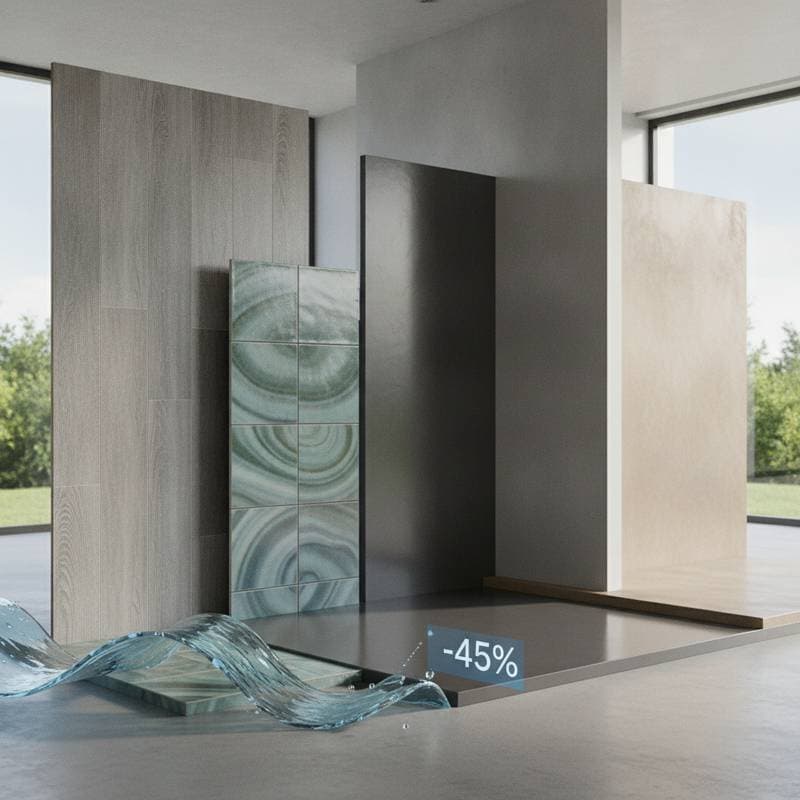
Flood-resistant flooring in 2026 costs $4 to $18 per square foot. Homeowners can reduce flood damage expenses by up to 45 percent with vinyl, tile, epoxy, or sealed concrete. This guide details pricing tiers, installation factors, and practical steps for long-term protection.

Review durable flood-resistant flooring choices from vinyl plank to sealed concrete. See installed costs, timelines, DIY options, and steps to lower expenses while protecting your home.

Waterproof flooring costs between $3 and $12 per square foot, balancing durability, comfort, and moisture protection. Material type, installation complexity, and project size drive pricing. With potential long-term savings and higher resale value, investing in professional installation ensures resilient, low-maintenance floors that safeguard homes against costly water damage for decades.
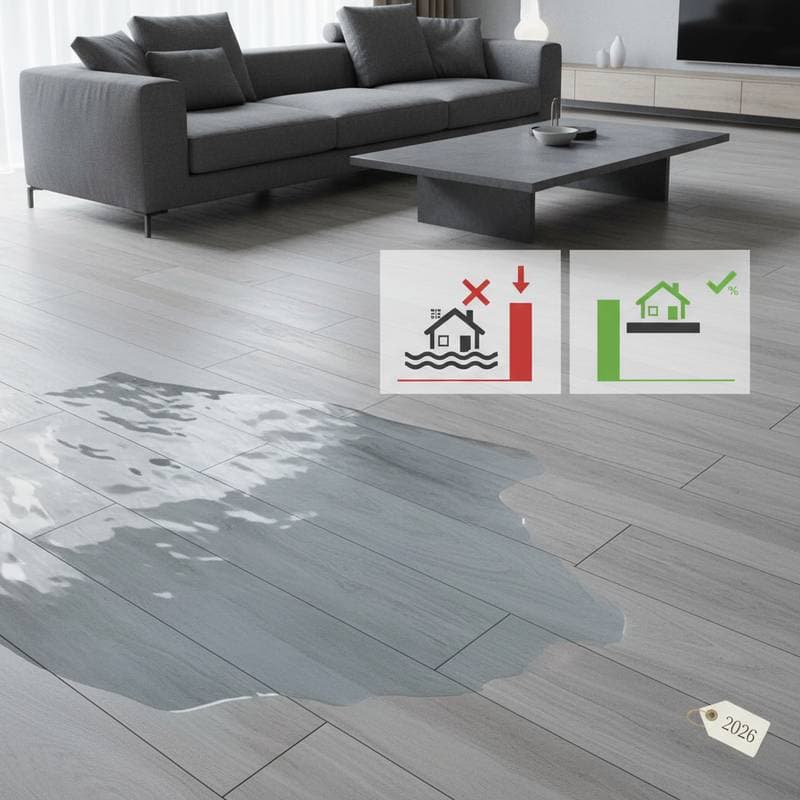
Flood-resistant flooring costs $7 to $28 per square foot installed. Professional systems cut long-term water damage repair expenses by up to 45 percent while adding durability and home value.
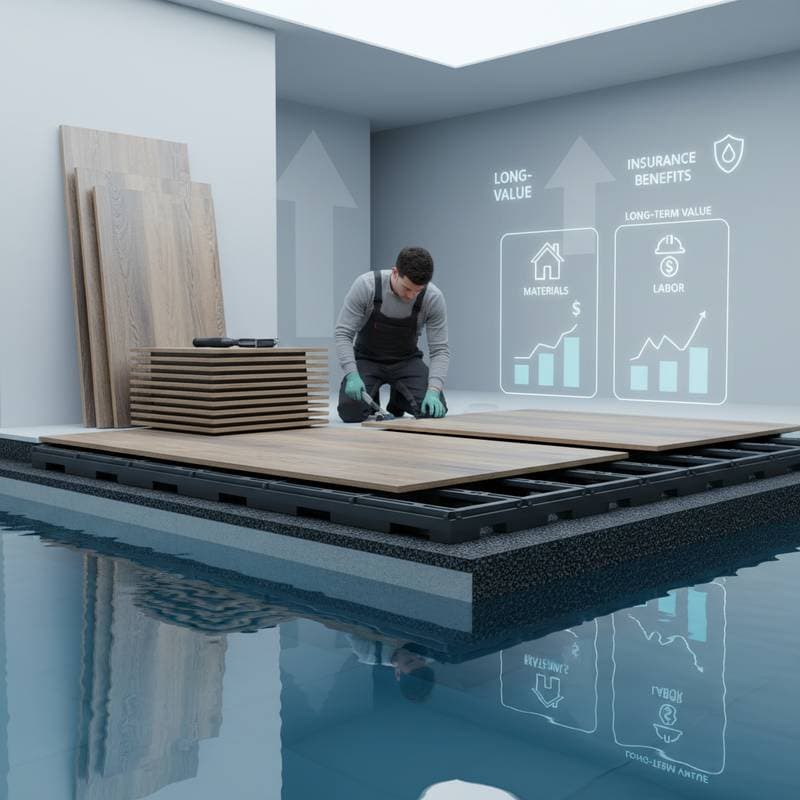
Flood proof flooring offers homeowners durable protection against water damage through specialized materials and expert installation. Costs range from $7,000 to $15,000 depending on materials and labor. Understanding pricing, warranties, and maintenance requirements helps homeowners avoid costly mistakes while maximizing long term value and property resilience.
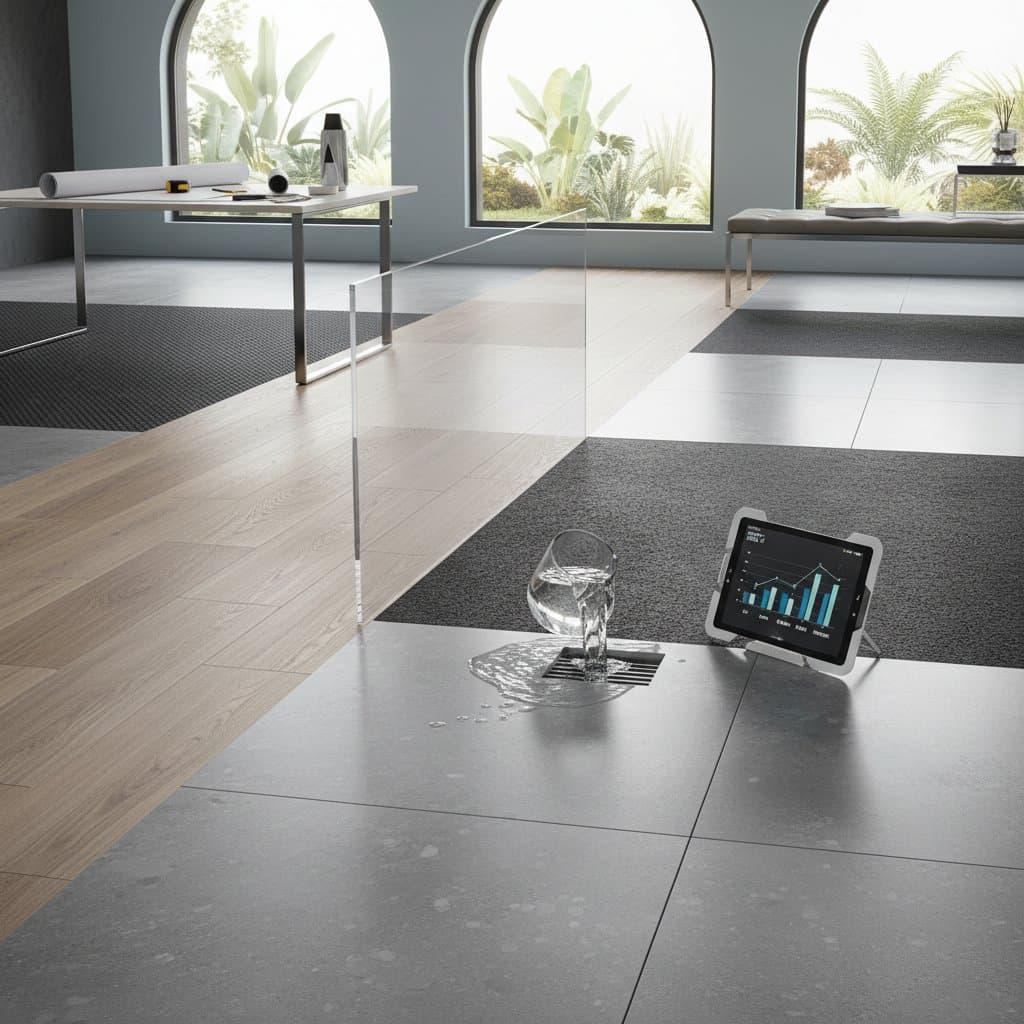
Prepare for floods with this 2026 guide to resilient flooring costs and choices. Delve into vinyl planks, ceramic tiles, sealed concrete, and rubber options, plus installation workflows, DIY versus pro advice, and error avoidance for lasting, budget-friendly protection.
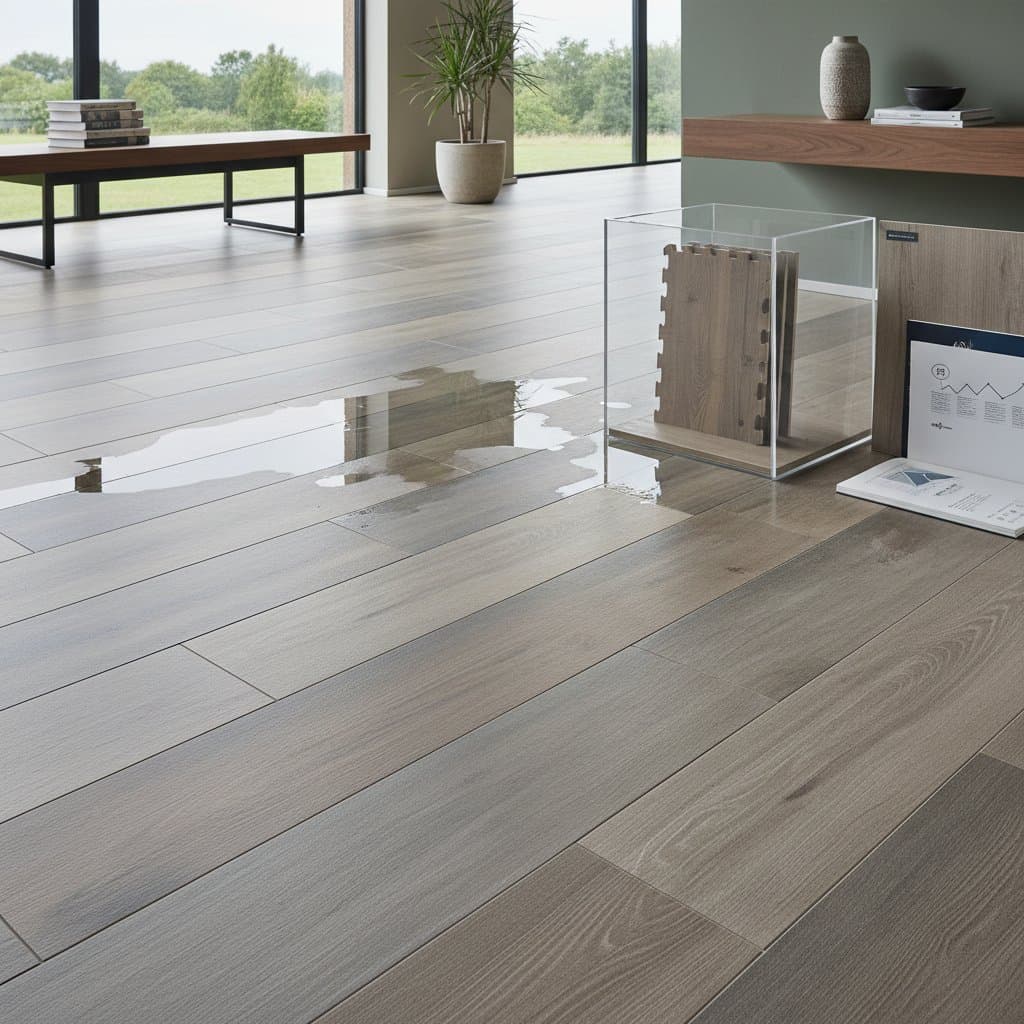
Protect your home from floods with resilient flooring materials that endure submersion. This guide details water-resistant options like porcelain tile and vinyl planks, essential installation steps, cost comparisons, and expert advice for enduring protection.
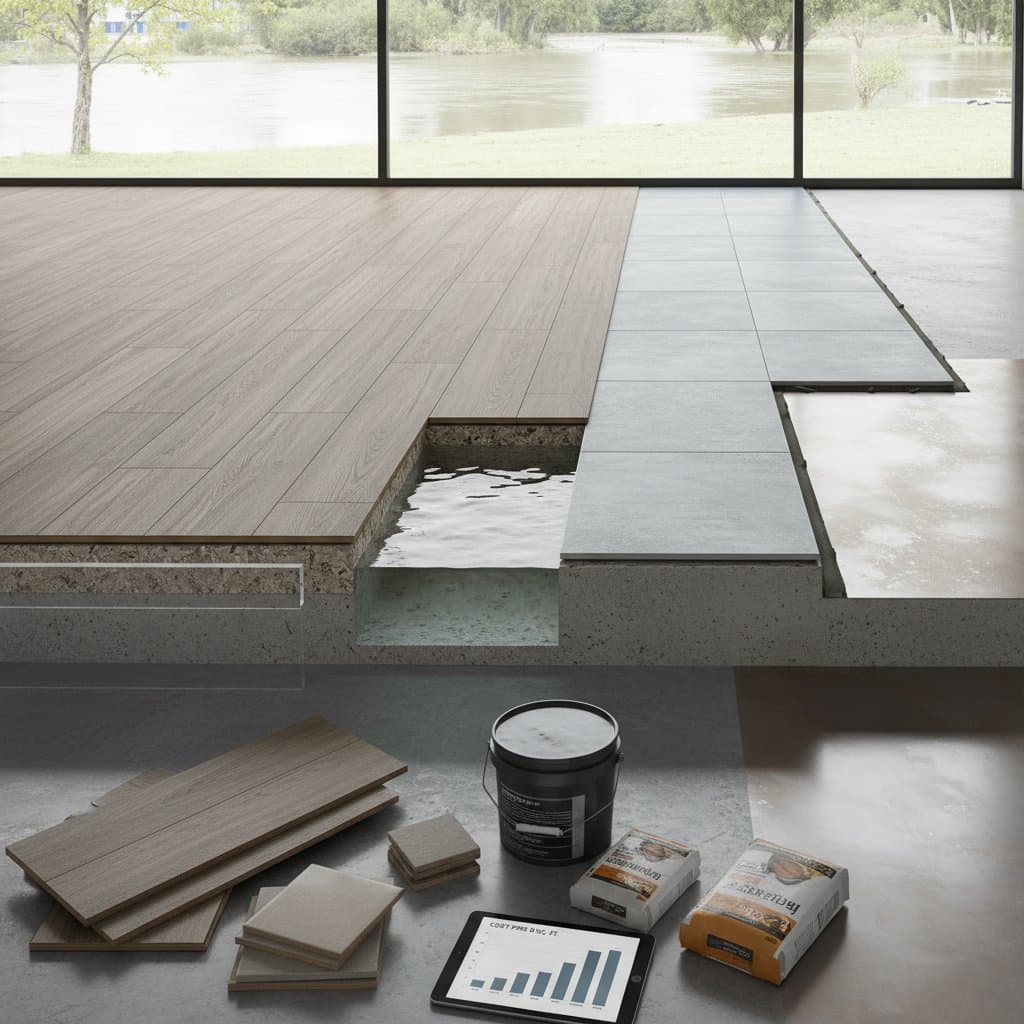
Flood-resistant flooring employs robust materials such as vinyl, tile, epoxy, and concrete to defend against water damage. Installed costs span $4 to $25 per square foot, varying by material and preparation needs. Discover installation techniques, upkeep strategies, and regional considerations to preserve your home and minimize repair costs.

With floods on the rise, smart flooring choices protect your wallet. This 2026 guide details leading materials, full cost breakdowns, installation steps, and strategies to ensure recovery and avoid insurance traps.

Understand the true expenses of flood-proof flooring in 2026, ranging from $2,000 for basic vinyl to $15,000 for advanced epoxy systems in a 600-square-foot area. This guide covers material choices, cost-saving techniques, professional installation timelines, and maintenance for lasting water resistance and property value.
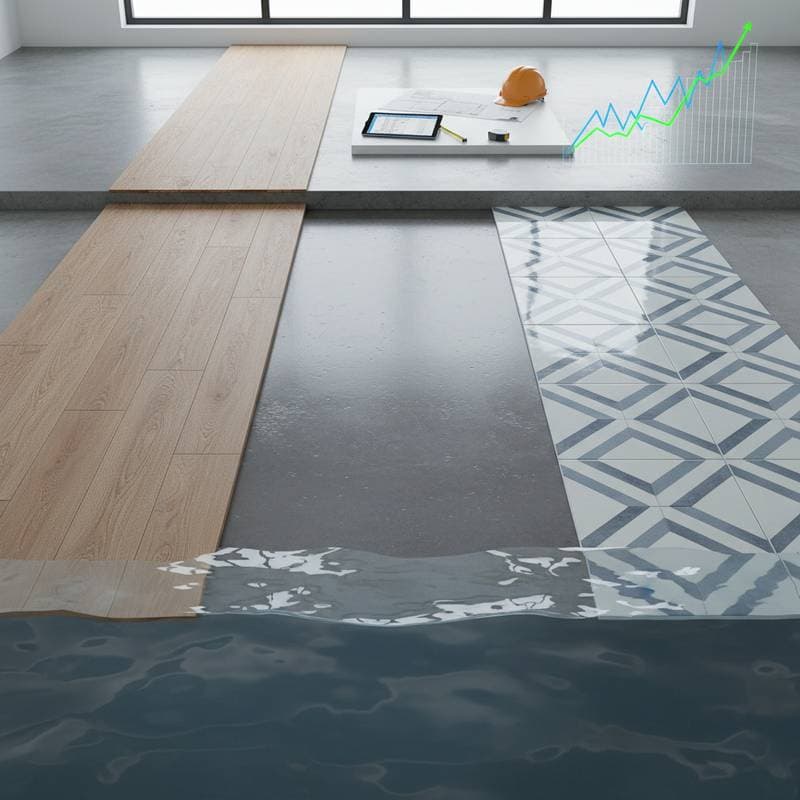
Installing flood-resistant flooring in a 1,000-square-foot home typically costs $7,800, offering durability and enhanced resale value in flood-prone regions. Choices include vinyl planks, sealed concrete, and high-end tiles. This guide details pricing factors, DIY versus professional installation, and strategies to avoid expensive flood damage repairs.

In 2026, flood-proof flooring innovations safeguard homes against water damage while adding lasting value. This guide details material options, pricing breakdowns, and installation strategies, including vinyl planks and epoxy systems, along with DIY advice, expert recommendations, and cost-saving tips for flood-prone properties.
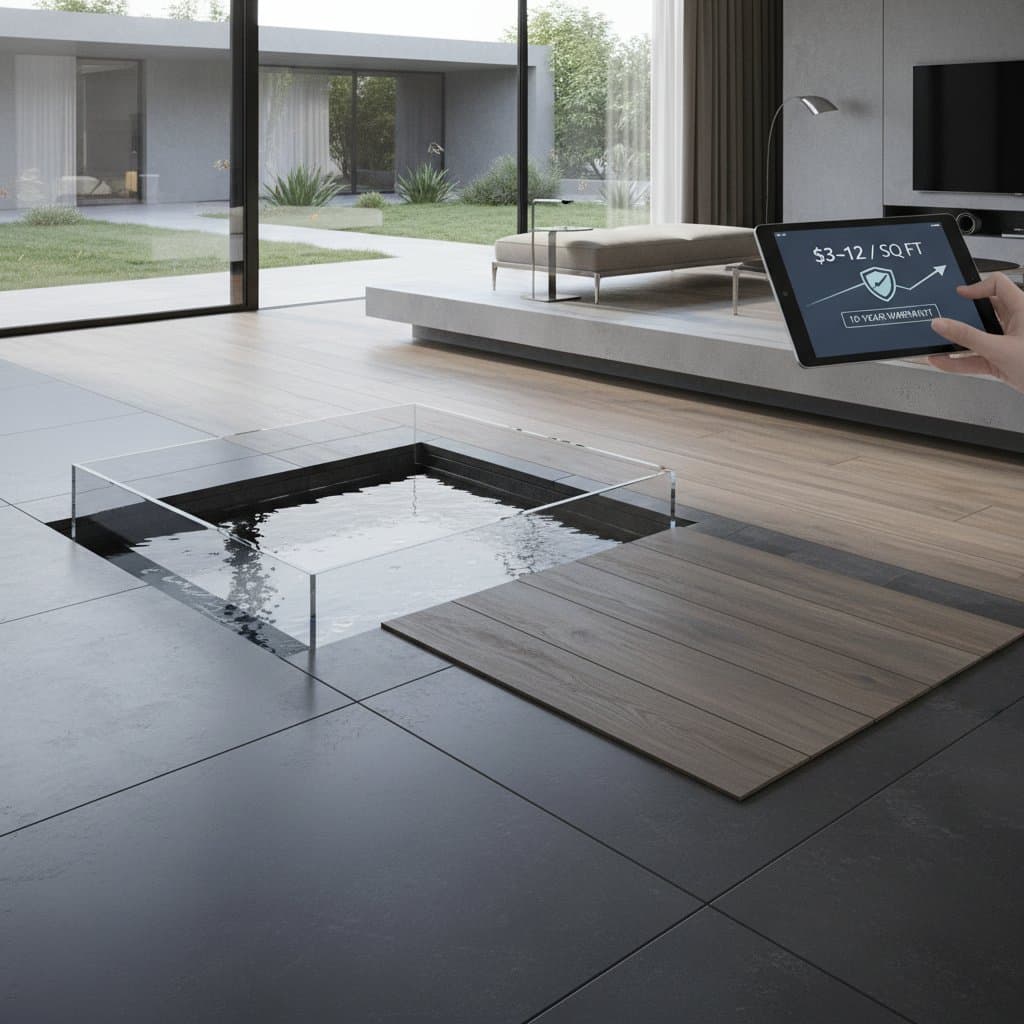
Flood-resistant flooring provides essential protection and durability for homes in areas prone to water intrusion. Prices range from $3 to $12 per square foot, with warranties extending from 10 years to lifetime options. Selecting materials such as vinyl planks, ceramic tiles, polished concrete, or rubber sheets helps prevent swelling, mold growth, and costly repairs while promoting longer-lasting surfaces.

With increasing flood risks, investing in flood-resistant flooring offers essential protection and financial benefits.
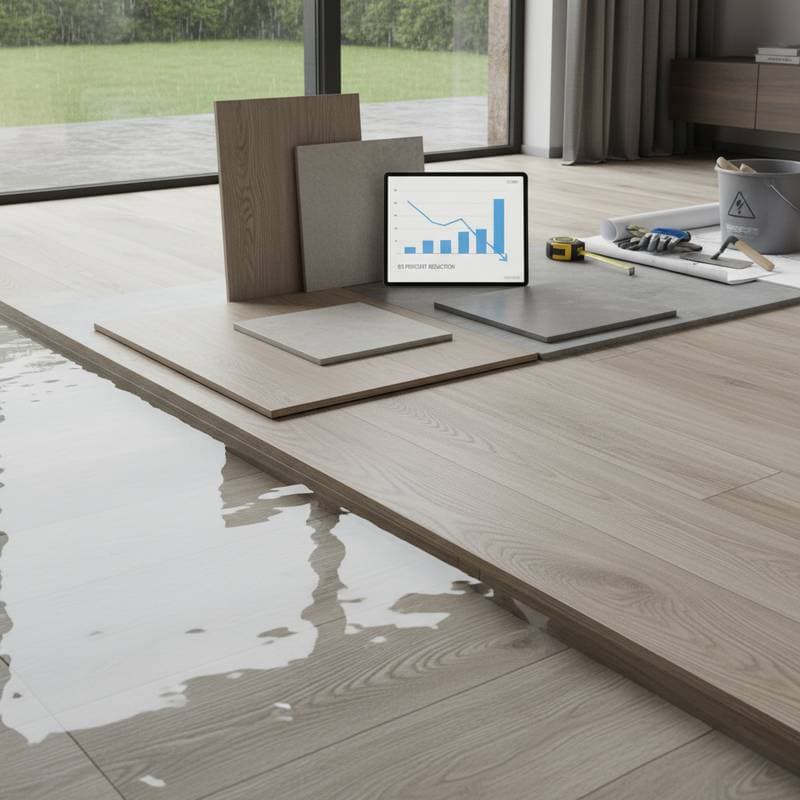
Flood-resistant flooring ranges from $4 to $17 per square foot installed, averaging $9. Factors like material type, project scale, and labor details shape costs. Options such as vinyl, tile, and sealed concrete deliver strong value. Expert installation prevents expensive water damage, while advanced choices enhance durability, increase property value, and ensure lasting flood defense.
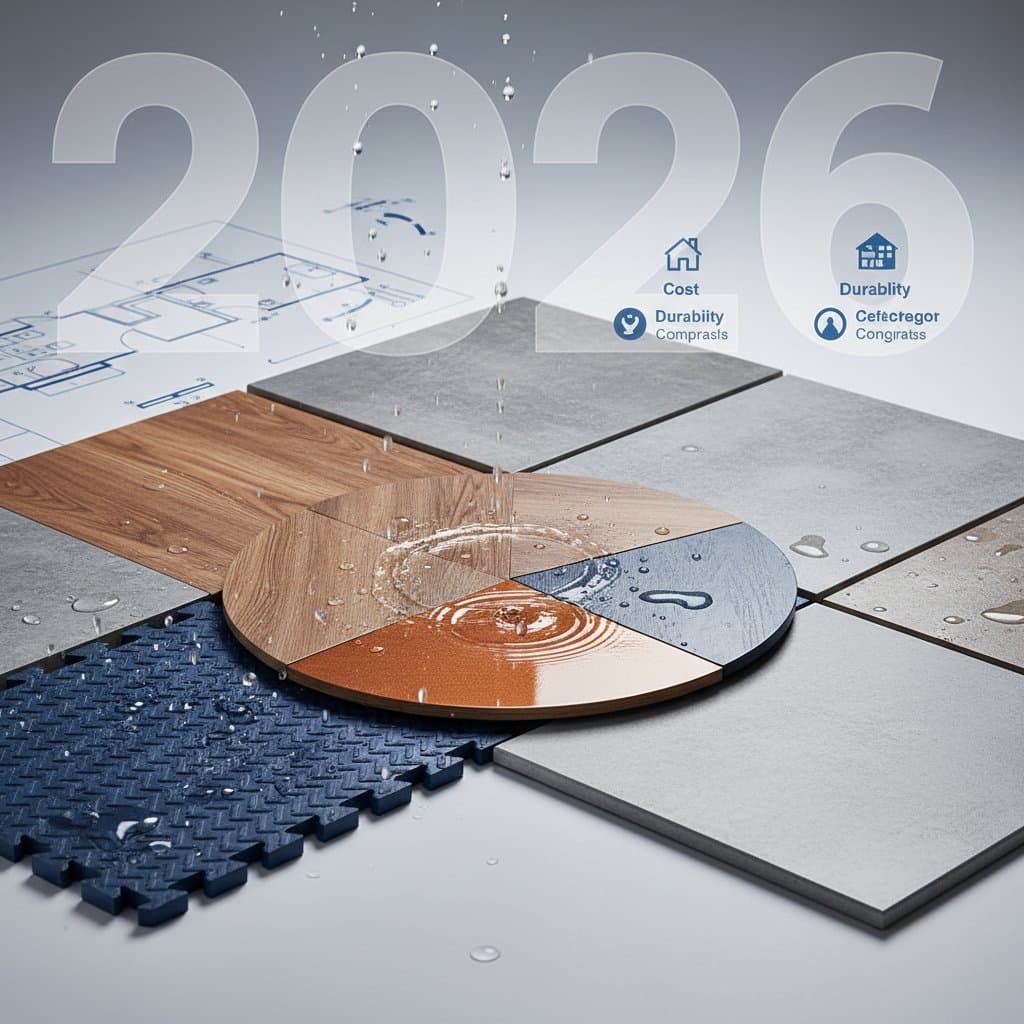
Flood-resistant flooring combines durable materials, strategic installation, and ongoing care to shield homes from water damage. This 2026 guide details costs for vinyl plank, tile, rubber, epoxy, and sealed concrete, including pricing breakdowns, durability factors, and strategies to maximize value and minimize long-term expenses.
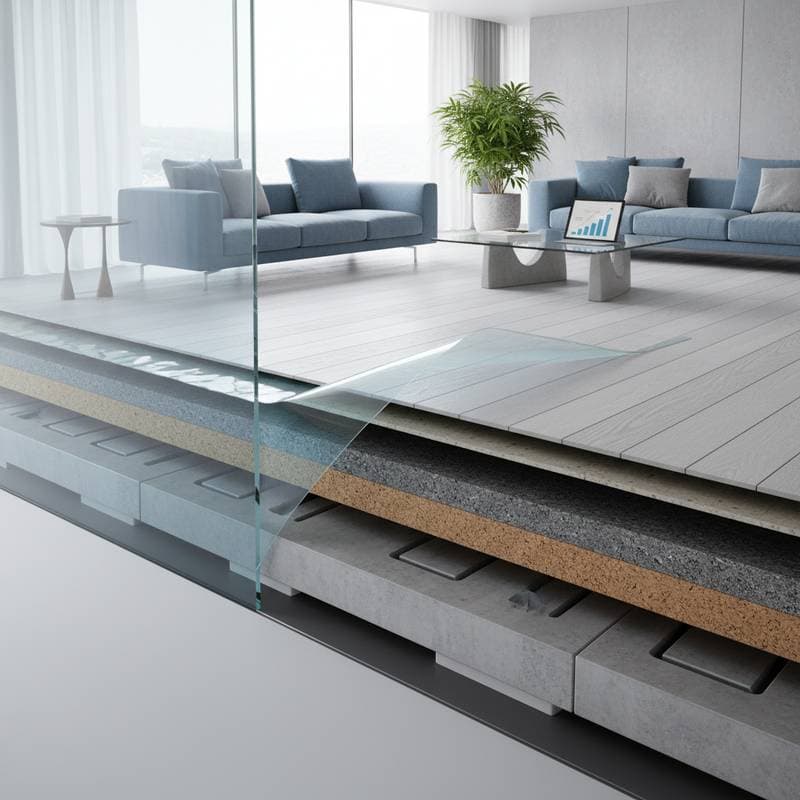
With rising climate threats, flood-proof flooring stands out as a wise investment. Initial expenses exceed those of traditional options, yet superior materials, expert installation, and routine upkeep minimize repairs, replacements, and insurance premiums. Homeowners gain resilience and financial security by reviewing warranties, evaluating materials, and adopting a clear decision process.

Uncover the complete 2026 guide to flood-resistant flooring expenses, from affordable vinyl options to high-end epoxy applications. Gain insights into national averages, influencing factors, professional versus DIY approaches, and effective cost-reduction strategies. Delve into installation durations, upkeep requirements, and warranty considerations to safeguard your property against flood-induced floor deterioration.
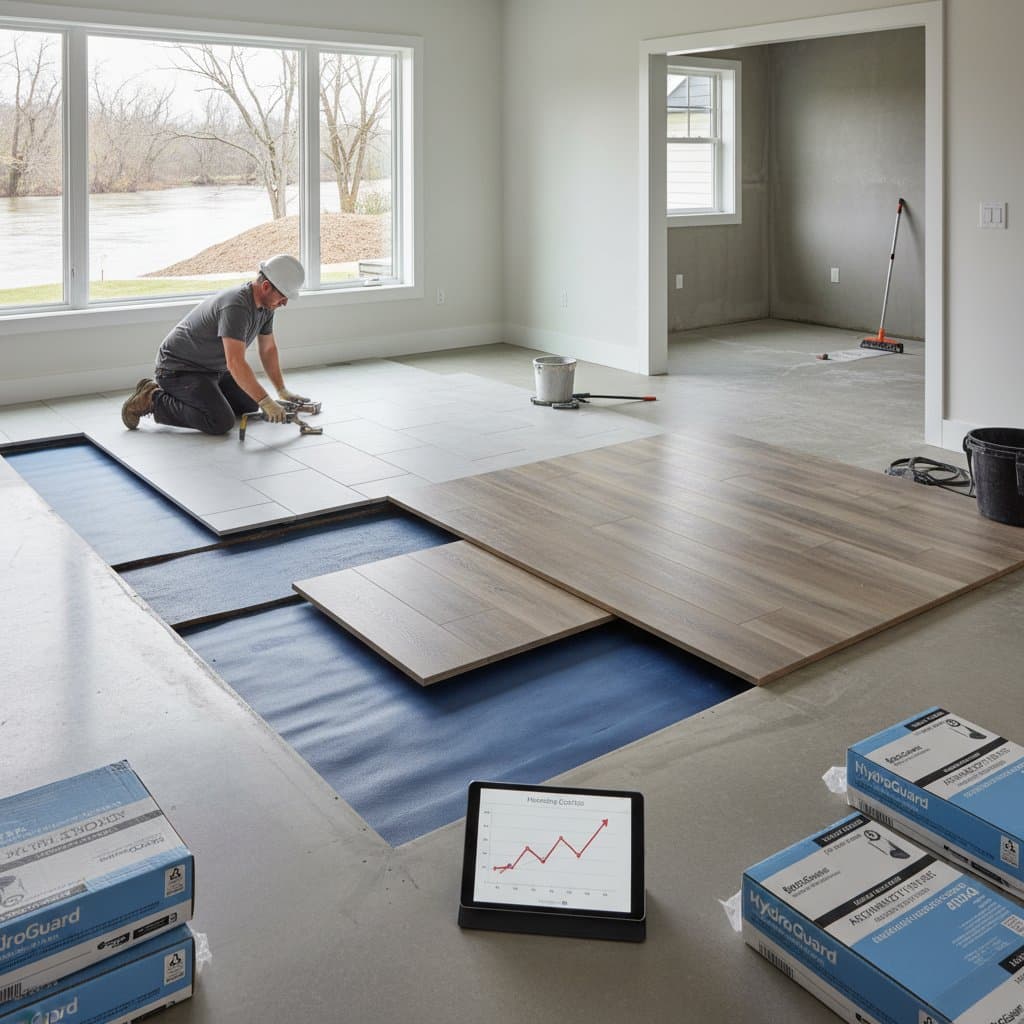
Flood-resistant flooring costs are projected to increase moderately by 2026, driven by rising demand and shipping expenses. Vinyl, ceramic tile, and sealed concrete stand out for their durability and potential insurance savings. Focus on proper installation, sealing, and maintenance to ensure long-term resilience against flooding.
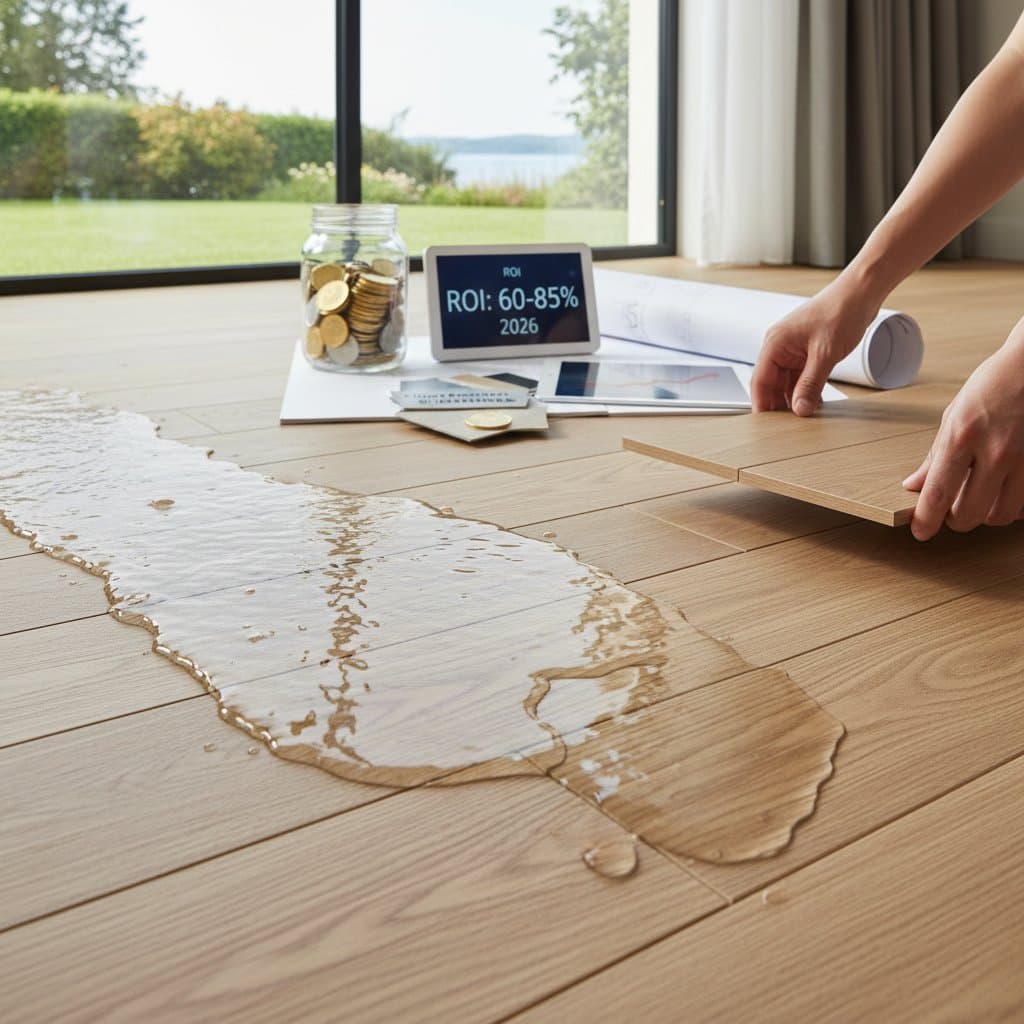
Uncover the genuine return on investment for flood-resistant flooring projected for 2026. This comprehensive guide details expense analyses, DIY cost reductions, regional market influences, and professional setup strategies, demonstrating how durable options shield properties, elevate worth, and yield enduring financial benefits in water-vulnerable regions.