2026 Home Battery Costs: Installation Breakdown
Summary Box
National average cost: $13,200
Typical range: $9,000 to $17,000
Low end and high end: $6,500 to $25,000
Time to complete: 1 to 3 days for most homes
DIY or Pro: Licensed electrical contractor required
ROI or resale impact: 60 to 70 percent, higher in areas with frequent outages or high energy rates
Updated: April 2026
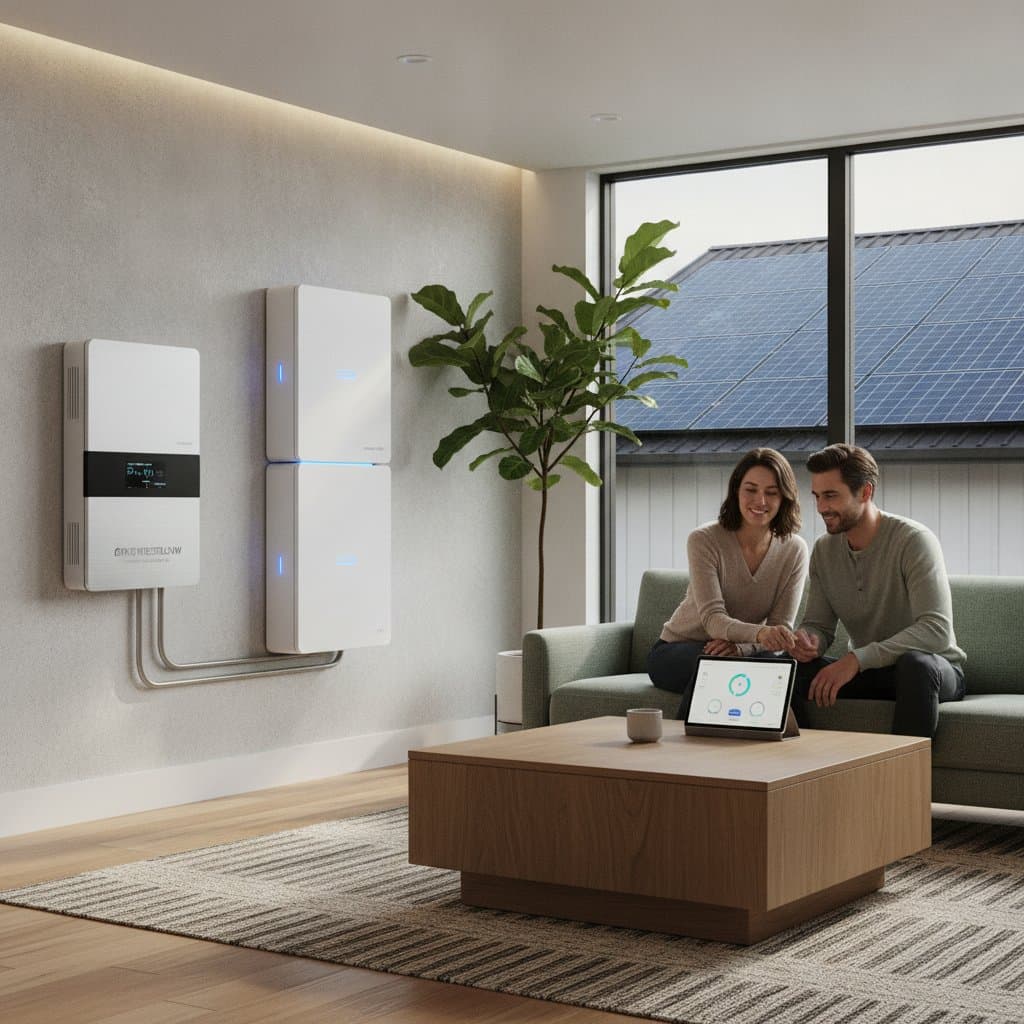
Home batteries store solar energy or grid power drawn during off-peak hours. Costs hinge on capacity, brand selection, and any added solar panels or backup circuits. Mapping each expense category supports accurate budgeting and prevents unexpected charges.
Cost Factors
Scope and size
Battery capacity exerts the strongest influence on price. A 10 kWh unit supplies lights, appliances, and a modest air conditioner for several hours. Larger homes or whole-house backup typically require 20 kWh or greater.
Material grade and finish
Lithium iron phosphate batteries carry higher initial prices yet deliver longer service life and cooler operation than nickel manganese cobalt models. Outdoor-rated enclosures increase upfront cost while expanding placement options.
Site conditions and accessibility
Placement next to the main electrical panel minimizes labor. Extended conduit runs or cramped access add hours. Wall reinforcement for heavy units can reach $500.
Labor market and season
Electricians face peak demand during summer solar installations. Off-season scheduling can reduce labor by 5 to 10 percent. Remote regions with limited crews command higher rates.
Custom work and change orders
Late additions such as solar integration or backup subpanels increase wiring and inspection fees. Finalizing the complete energy layout before contract signing avoids these extras.
How To Save Without Regret
Practical substitutions
Select a mid-size battery and choose a modular design for future expansion. Lithium iron phosphate models often provide extended cycle life, lowering replacement frequency over time.
Sequence and prep that reduce labor hours
Locate the battery near the main panel to shorten wiring runs. Verify wall studs and clearances in advance to prevent change orders.
Off-season timing or batch projects
Pair battery work with solar or panel upgrades to share labor and permits, saving $500 to $1,000. Winter or early spring appointments frequently cost less.
Compare at least three quotes
Use this checklist when reviewing proposals:
- Scope is itemized
- Materials grade and brand listed
- Surface prep and cleanup included
- Permit and disposal fees included
- Warranty terms and timeline stated
- Payment schedule tied to milestones
Ask each installer how many comparable systems they have commissioned and whether they manage permit submission.
Maintenance and Lifespan
Care routines
Keep vents unobstructed and preserve inspection access. Track charge cycles through the system app. Avoid full discharges unless the model supports deep cycling.
Common failures and early warnings
Capacity loss, slow charging, or inverter codes often indicate cell imbalance or cooling problems. Arrange service before warranty expiration.
When to repair vs replace
Replacement becomes more economical once capacity falls below 70 percent of rated output. Inverters generally outlast batteries and remain reusable with new modules.
Regional Notes
Costs differ by location. Coastal and high-cost urban zones show 15 to 25 percent higher labor rates. States offering storage rebates can offset up to 30 percent of total expense.
Planning Your Installation
Define energy objectives first. Determine priorities among backup power, bill reduction, or energy independence. Collect three detailed quotes that specify battery size, cycle warranty, and end-of-life recycling provisions. Thoughtful selection and professional installation deliver resilience and potential property value gains without overspending on mismatched capacity.