2025 Flood-Proofing Upgrades for Climate-Resilient Homes
Quick Take
Protect your home from rising water before it arrives.
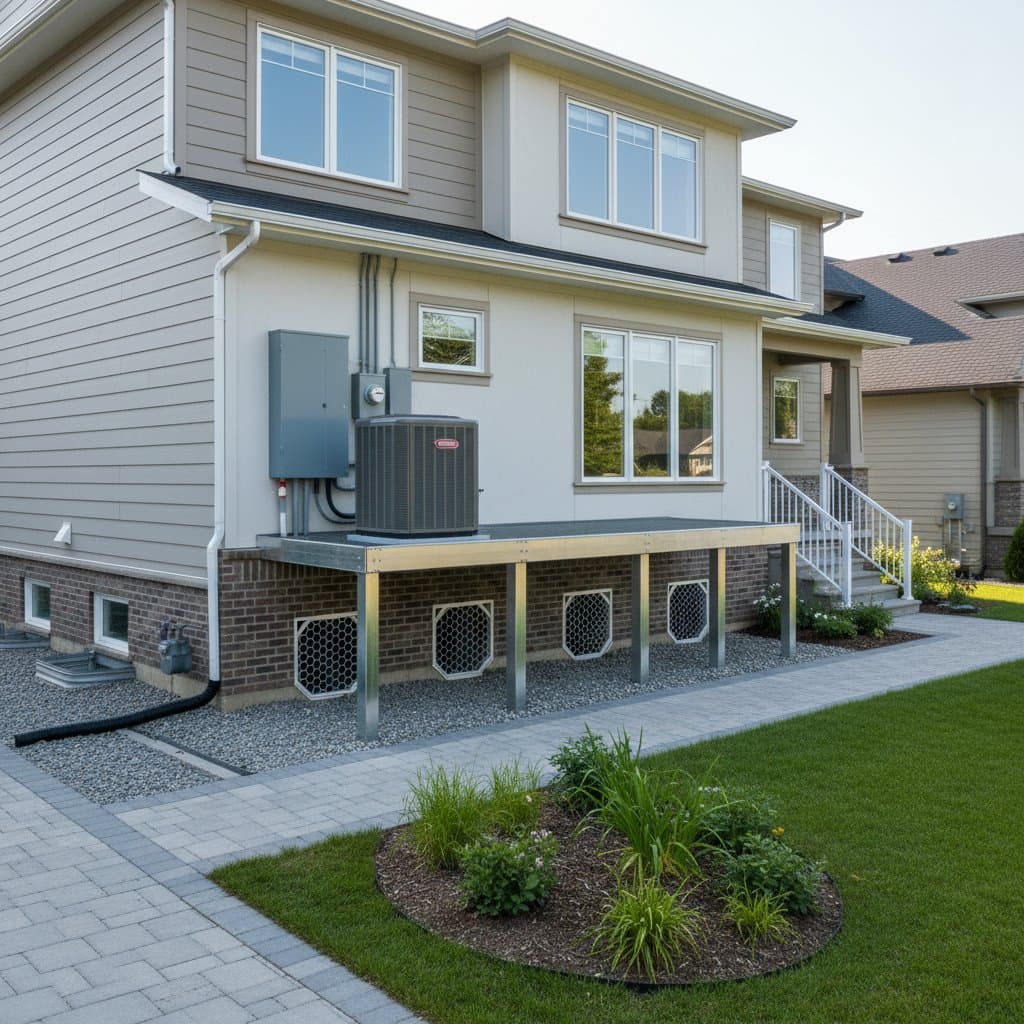
- Elevate major systems, such as electrical panels and HVAC units, to a height above projected flood levels.
- Install flood vents, barriers, and backflow valves to equalize water pressure and direct flow away from the structure.
- Select moisture-resistant materials and ensure proper site grading to minimize potential damage and associated costs.
What It Is
Flood-proofing involves implementing physical and design modifications that either prevent water entry or mitigate its impact if intrusion occurs. These measures integrate structural reinforcements, enhanced drainage solutions, and durable material selections to enable a home to withstand and recover from intense rainfall or storm surges with reduced disruption.
Homeowners in vulnerable areas benefit from these upgrades, which address both immediate threats and long-term climate challenges. By focusing on prevention and resilience, flood-proofing transforms potential vulnerabilities into fortified assets.
Pros and Cons
Pros
- Minimizes expenses related to post-flood repairs and restoration.
- Often qualifies for reduced insurance premiums upon verification.
- Safeguards critical electrical and HVAC components from water exposure.
- Enhances property appeal and value in regions prone to flooding.
Cons
- Involves greater initial investment compared to standard waterproofing techniques.
- Requires adherence to local permits and professional inspections in many cases.
- Alterations to grading or foundations may affect existing landscaping features.
- Complete protection proves challenging for homes on low elevations or unstable soils.
When to Use It or When It Fails
Use flood-proofing when:
- Your property lies adjacent to rivers, coastal bays, or low-elevation communities.
- Building codes in your area mandate flood-resistant features for new or renovated structures.
- You undertake significant renovations, including foundation work or system overhauls.
It fails when:
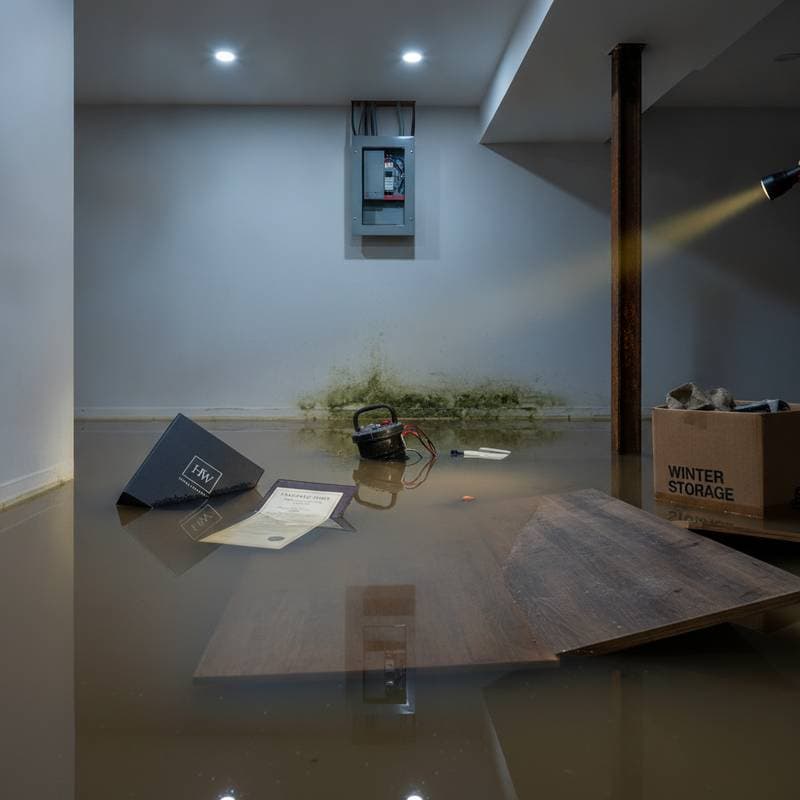
- Groundwater levels remain consistently elevated, overwhelming drainage efforts.
- Soil composition prevents adequate water percolation or runoff.
- Protective elements, such as seals or barriers, lack regular maintenance or proper installation.
In such scenarios, combining flood-proofing with elevation or relocation strategies yields better results. Always consult local flood maps to assess site-specific risks.
Step-by-Step: How to Flood-Proof Your Home
Tools and materials:
- Level and tape measure for precise assessments.
- Concrete sealant and epoxy for durable crack repairs.
- Flood vents or automated smart barriers for pressure relief.
- Sump pump equipped with battery backup for reliable operation.
- Backflow preventer valve to block sewer line reversal.
- PVC drainage pipe for efficient water diversion.
- Moisture-resistant drywall or cement board for interior protection.
- Rubber boots, gloves, and safety goggles for personal protection.
Time: One to three weekends for partial implementation.
Difficulty: Moderate to advanced, varying by the complexity of systems involved.
-
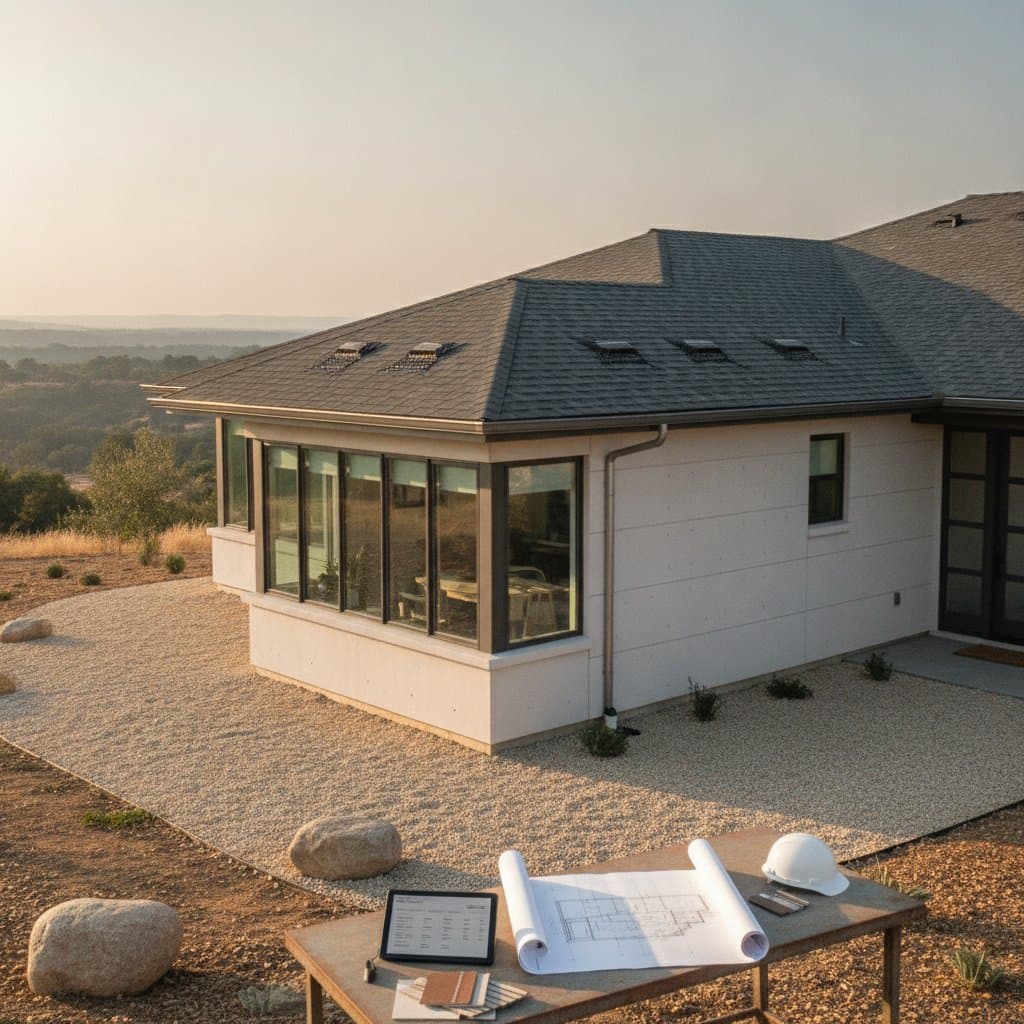
Inspect and measure risk. Consult your local floodplain map to determine the base flood elevation. Note areas around the foundation where water tends to pool during rain events.
-
Seal cracks and joints. Apply concrete epoxy or hydraulic cement to basement walls and floor joints. Address gaps surrounding utility penetrations with flexible sealants.
-
Add flood vents. Position vents approximately one foot above ground level to permit water passage and prevent hydrostatic pressure buildup against walls.
-
Install a sump system. Locate the sump pit at the basement's lowest point. Fill and test the pump with water prior to securing the lid. Incorporate a check valve in the discharge line to maintain flow direction.
-
Upgrade drainage. Extend downspouts a minimum of six feet from the foundation. Regrade surrounding soil to create a slope away from the house, achieving at least one inch of drop per foot over ten feet.
-
Protect utilities. Raise electrical panels, outlets, and HVAC units to exceed anticipated flood heights. Secure water heaters on sturdy, elevated platforms constructed from pressure-treated wood or concrete blocks.
-
Add backflow protection. Integrate a backflow preventer valve into the primary sewer line to halt wastewater intrusion during heavy downpours.
-
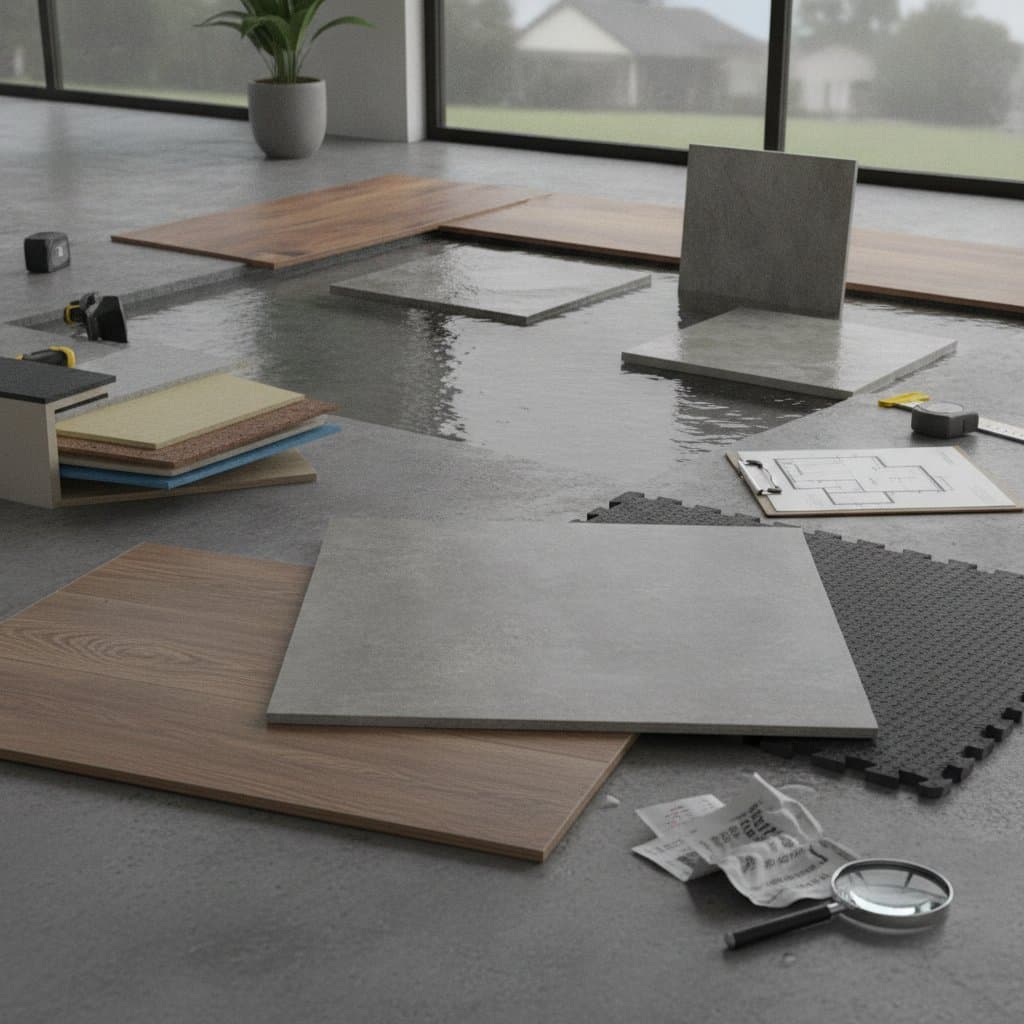
Replace materials. Install closed-cell foam insulation, water-resistant flooring options like tile or sealed concrete, and cement board in place of standard drywall in areas below flood levels.
-
Inspect and test. Following significant rainfall, examine pumps, valves, and seals for signs of failure. Adjust fittings as needed and replace any deteriorated gaskets to ensure ongoing integrity.
These steps provide a comprehensive approach, starting with assessment and progressing to verification. Professional guidance proves essential for intricate installations.
Costs
Typical range: $2,000 to $25,000, depending on project scope and location.
Factors that raise cost:
- Comprehensive foundation sealing or structural elevation.
- Intricate grading adjustments or construction of retaining walls.
- Advanced sump systems with integrated alarms and high-capacity drainage.
- Associated permit applications and inspection services.
Factors that lower cost:
- Targeted retrofits focused on sealing and venting alone.
- Self-installation of accessible components like pumps or valves.
- Basic grading corrections utilizing on-site soil without imports.
When replacement beats repair:
Repeated basement flooding or extensive wall cracking signals the need for reconstruction using elevated foundations or resilient materials. Such investments often offset repeated patching expenses over time, particularly in high-risk zones.
Budget planning should include quotes from multiple contractors to identify value-driven options. Grants or incentives from flood management programs may further offset costs.
DIY vs Pro
Safe for DIY:
- Sealing visible cracks and installing shallow surface drains.
- Attaching downspout extensions and basic gutter cleaning.
- Assembling and connecting a sump pump with backup power source.
Hire a pro when:
- Foundation elevation or substantial regrading enters the picture.
- Relocation of electrical panels or HVAC systems requires attention.
- Regulations demand certified flood vents or engineered protective barriers.
What the pro will do differently:
Licensed contractors perform calculations for hydrostatic pressure and optimize vent configurations. They handle permitting processes efficiently while electricians and plumbers verify compliance with safety standards in moist environments.
For DIY efforts, prioritize safety by shutting off utilities during work. Professionals bring specialized tools and warranties that enhance long-term reliability.
Maintenance or Prevention
Frequency: Conduct inspections biannually or immediately after intense storms.
Tasks:
- Simulate operation by pouring a bucket of water into the sump pump to confirm activation.
- Remove leaves, dirt, and debris from exterior drains and gutters.
- Refresh sealant applications every three to five years based on exposure.
- Examine vent screens for clogs and clear as necessary.
- Apply lubricant to barriers and valves while checking for corrosion.
Outcome: These routines maintain a watertight foundation, functional drainage, and confidence during adverse weather. Proactive care extends the lifespan of all installed components.
Alternatives
Dry floodproofing: Suited for homes with masonry or concrete construction. This method employs protective coatings, impermeable barriers, and sealed doors to exclude water entirely. It offers robust defense but suits non-porous structures best.
Wet floodproofing: Ideal for basements or crawl spaces designed to accommodate temporary water entry followed by rapid drainage. Incorporate flood vents and water-tolerant materials for cost-effective resilience, though minor flooding remains possible.
Elevation: Recommended for properties in severe flood zones. This technique raises the entire building above predicted water levels using piers, fill, or breakaway walls. While the most expensive option, it delivers superior protection against deep inundation.
Select alternatives based on home design, budget, and local flood history. Hybrid approaches often provide balanced protection.
FAQs
Do flood barriers really work?
Yes, provided installation adheres to manufacturer guidelines. Removable barriers shield doors and windows effectively when secured tightly and stored in a dry location between events.
Can you flood-proof a basement completely?
Risk reduction proves achievable, though total elimination remains elusive. Integrate sealing, sump systems, and venting for optimal results in below-grade spaces.
Are flood vents required by code?
In designated flood zones, requirements frequently apply. Verify specifics with your municipal building authority prior to commencing projects.
How long do sump pumps last?
Expect a service life of seven to ten years with consistent testing and maintenance. Accelerate replacement if frequent operation or unusual sounds indicate wear.
Will flood-proofing reduce insurance costs?
Insurers commonly provide discounts for documented enhancements like vents or elevation surveys. Contact your provider to understand required proofs and potential savings.
Checklist: Flood-Proofing Actions You Can Take Today
- Review your property's flood zone designation and base flood elevation data.
- Apply sealant to observable cracks and openings in the foundation.
- Verify sump pump functionality and backup power readiness.
- Prolong downspouts and refine soil grading for better runoff.
- Position major appliances above estimated flood heights.
- Fit a backflow preventer to the primary sewer connection.
- Ensure gutters and drains remain unobstructed ahead of storms.
- Evaluate current insurance policies for comprehensive flood coverage.
Making It Happen
Initiate with straightforward measures that manage surface water effectively. Address sealing, drainage enhancements, and testing prior to committing to extensive structural modifications. For properties in low-lying positions or with prior flood incursions, engage a qualified contractor for a thorough evaluation.
Document every improvement meticulously to support insurance claims and regulatory compliance. Flood-proofing focuses on guiding water away from key areas, preserving essential elements, and facilitating swift recovery. Each implemented step fortifies your home against escalating climate demands, fostering enduring security.