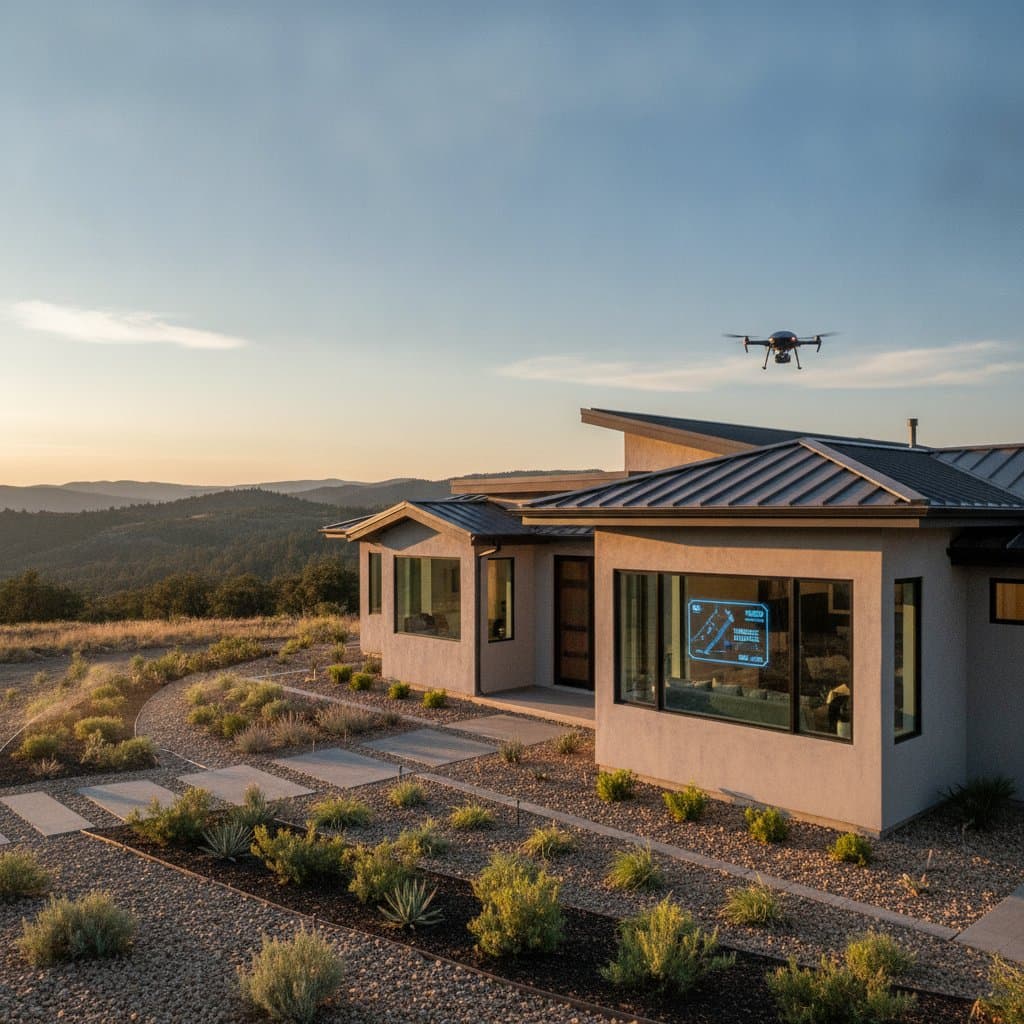
AI Home Monitoring: Understanding Warranty Coverage
AI home monitoring systems aim to identify issues like leaks or temperature fluctuations early, potentially averting significant repairs. However, warranties associated with these systems typically limit protection to the equipment itself, not the broader home damages they might detect. Homeowners must evaluate manufacturer guarantees, installer assurances, and insurance compatibility to grasp the full scope of benefits. This article examines coverage details, exclusions, and strategies for effective implementation.
How AI Home Monitoring Functions
These systems integrate sensors, analytics software, and alert mechanisms to monitor environmental factors such as humidity levels, water flow, electrical usage, and structural vibrations. For instance, water detection sensors placed near pipes signal unusual moisture, while attic temperature sensors warn of overheating risks. Over time, the system establishes baselines for normal operations and notifies users via mobile apps when deviations occur.
While such technology enables timely interventions, it performs detection only, without automated repairs. Warranties delineate the extent of manufacturer responsibility, often restricting claims to device malfunctions rather than indirect consequences like water damage from an undetected leak.
Advantages, Disadvantages, and Ideal Applications
Suitable for: Properties with older infrastructure, seasonal residences, or regions susceptible to environmental hazards like freezing pipes or high moisture.
Advantages: Timely notifications reduce repair expenses, provide evidence for insurance purposes, and generate usage records that support warranty claims.
Disadvantages: Warranties exclude damages stemming from monitored events, recurring fees apply for cloud services, and inaccurate alerts may arise from uncalibrated sensors.
Typical Warranty Inclusions and Exclusions
Most warranties for AI home monitoring include:
- Defects in hardware components, including sensors and central processing units
- Access to monitoring software and app functionalities
- Basic technical assistance throughout the coverage term
Exclusions commonly encompass:
- Property damages resulting from leaks, electrical faults, or environmental events
- Costs for labor involved in device removal, replacement, or reconfiguration
- Post-initial-period adjustments for sensor calibration or software enhancements
- Interruptions due to network failures or power outages
To navigate these limitations, review policy documents thoroughly and consider supplemental homeowners insurance riders for broader protection.
Cost Analysis and Influencing Factors
Installation and maintenance costs vary based on system scale and location. The following table outlines typical expenses:
| Component | Material Costs | Labor Costs | Total Estimated Costs | Key Variables |
|---|---|---|---|---|
| Basic sensor kit (5-10 units) | $250-$600 | $0-$200 | $250-$800 | Number of sensors and placement difficulty |
| Hub and application integration | $150-$300 | $100-$250 | $250-$550 | Compatibility with existing smart home setups |
| Yearly cloud or service subscription | $50-$200 | N/A | $50-$200 | Inclusion of advanced analytics features |
Labor rates differ by region, and challenging installations in areas like basements may extend project duration from two hours to eight hours, increasing fees accordingly.
Compliance, Safety, and Regulatory Considerations
These low-voltage devices generally bypass permit requirements, but integration with existing alarm systems demands adherence to local codes. Verify installer credentials for licensed professionals, particularly when connecting to fire or security networks. Install ground fault circuit interrupters in moisture-prone zones, and align all electrical work with National Electrical Code guidelines. Non-compliance risks invalidating warranties and complicating insurance reimbursements.
Common Pitfalls to Sidestep
- Neglecting recommended calibration schedules, which can lead to unreliable data.
- Omitting photographic records of installation, essential for validating warranty claims.
- Combining devices from multiple manufacturers without verifying data interoperability.
- Allowing subscription lapses, as active service often conditions warranty validity.
Upkeep Practices and Device Longevity
Sensors maintain functionality for five to seven years under optimal conditions, free from dust and excess moisture. Exchange batteries annually or biennially, depending on usage intensity. Conduct quarterly diagnostic tests through the app to confirm accuracy. Clean sensor contacts using isopropyl alcohol if performance falters, and promptly apply software updates, as outdated versions may disqualify warranty support.
Professional Installation Versus Self-Setup Guidelines
Opt for professional services if your home features complex layouts, integrated smart ecosystems, or limited technical expertise. Experts ensure proper sensor positioning for comprehensive coverage and seamless connectivity, minimizing setup errors that could compromise effectiveness. In contrast, DIY approaches suit straightforward installations in smaller residences, where users possess familiarity with wiring and app configurations. Weigh time investment against potential warranty voids from improper assembly; consult manufacturer guidelines to inform your choice.
Pre-Installation Readiness Assessment
- Confirm compatibility with your home's electrical and network infrastructure.
- Gather documentation on existing warranties and insurance policies.
- Identify high-risk areas for sensor placement, such as near water lines or attics.
- Budget for initial costs plus ongoing subscriptions.
- Schedule a professional consultation if DIY seems overwhelming.
- Review local regulations for any integrated security features.
Securing Comprehensive Protection
Prior to deployment, scrutinize warranty terms for coverage durations and claim procedures. Retain all purchase receipts, complete product registrations online, and archive alert histories digitally. Proactive documentation demonstrates upkeep commitment, strengthening positions in disputes or insurance filings. Ultimately, a meticulously managed AI monitoring system transforms potential vulnerabilities into fortified defenses, delivering peace of mind through informed preparedness.