2025 ADU Build Costs and ROI: Is It Worth It?
Accessory dwelling units, known as ADUs or granny flats, attract homeowners interested in generating supplemental income or accommodating extended family. The economics of constructing one, however, demand thorough examination. Homeowners must analyze expenses methodically, scrutinize financial projections, and monitor costs throughout the project to assess if returns justify the commitment.
Defining an Accessory Dwelling Unit
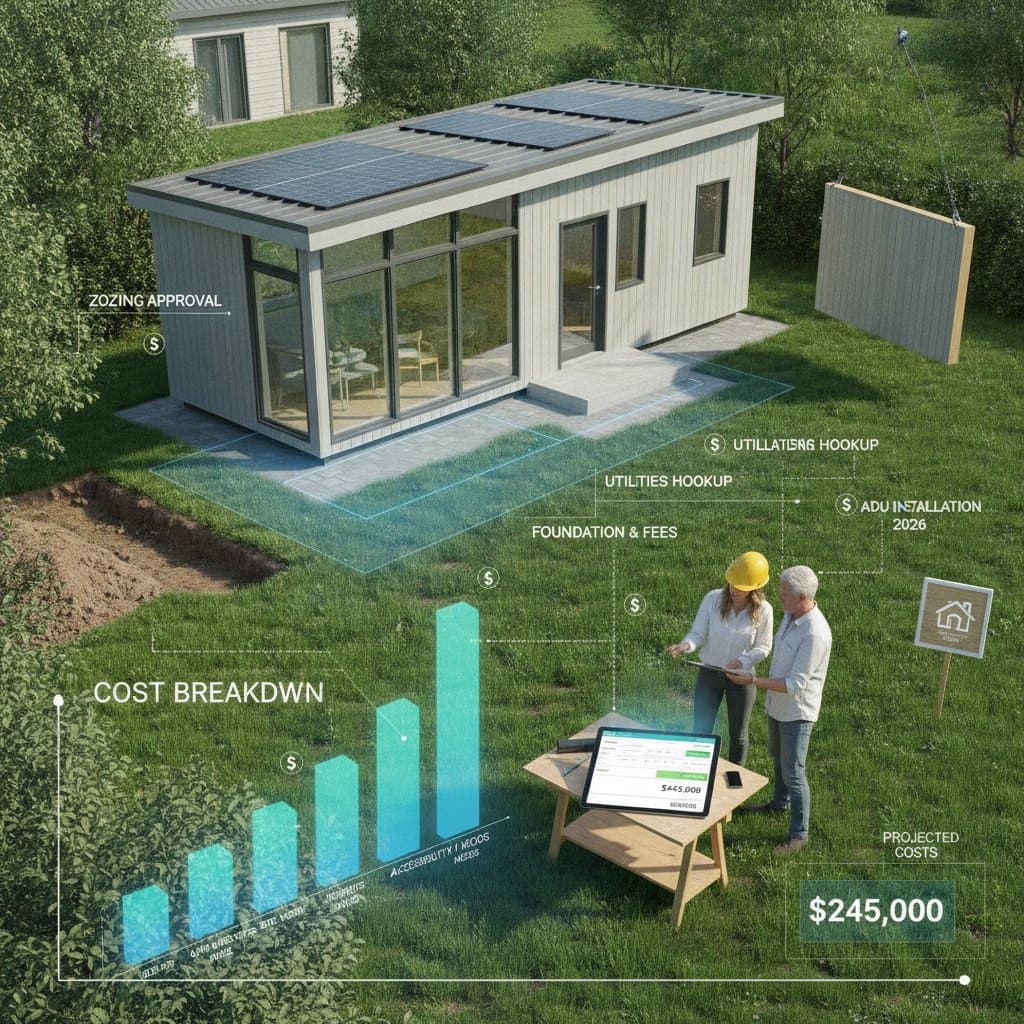
An accessory dwelling unit consists of a compact, independent living space on the same lot as the main residence. Options range from standalone backyard structures to conversions of garages or attics, each with distinct separate access and amenities. Detached versions offer greater seclusion yet necessitate independent foundations and utility connections. Attached or converted units often lower foundational costs but require significant modifications to comply with safety standards. Early identification of these variations enables alignment with site constraints and budget parameters.
Breaking Down ADU Expenses
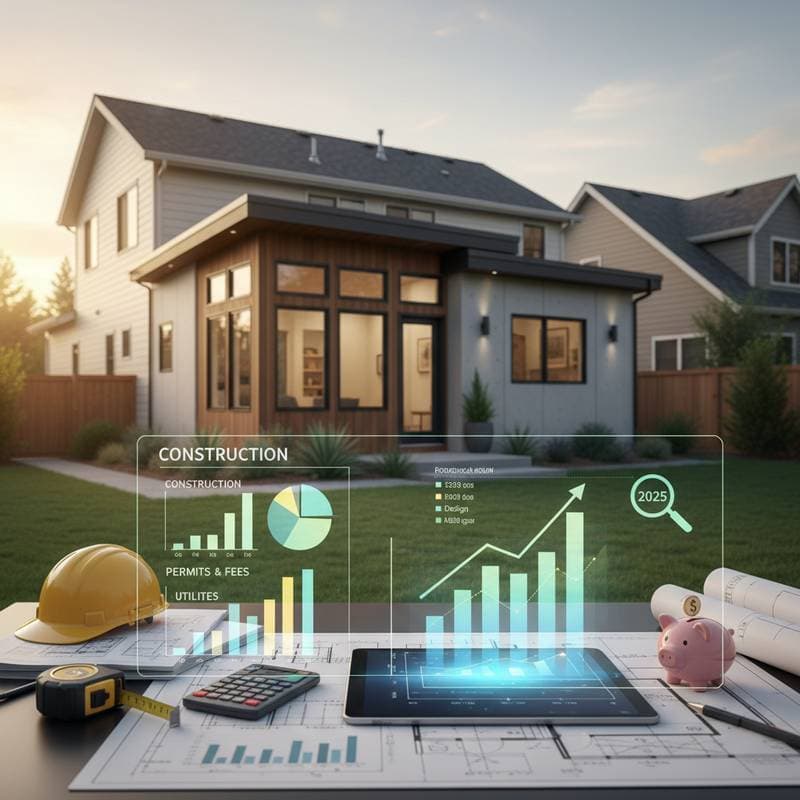
Costs for ADUs fluctuate based on regional labor rates, permit stipulations, and architectural intricacies. Homeowners benefit from dissecting expenses into categories rather than depending on broad square-footage figures. This approach reveals opportunities for savings and highlights potential overruns.
Core cost components encompass:
- Design and permitting: Fees for blueprints, structural evaluations, and approvals typically account for 8 to 12 percent of the total budget.
- Site development: Tasks like land grading, utility trenching, and concrete pouring escalate expenses, particularly for standalone builds.
- Core construction: Elements such as framing, roofing, wiring, and piping constitute the bulk of expenditures.
- Finishing touches: Selections in cabinetry, surfaces, hardware, and equipment influence outlays; opting for durable mid-tier options maintains affordability without sacrificing longevity.
- Support services: Oversight by managers, compliance checks, and liability protections contribute additional layers to the financial picture.
Projects span from basic conversions below $100,000 to elaborate detached setups exceeding $300,000. Variations stem from unit dimensions, material grades, and local ordinances, underscoring the value of jurisdiction-specific inquiries.
Navigating the Build Process Step by Step
Effective ADU development adheres to a structured timeline that curbs unforeseen expenditures.
- Feasibility assessment: Homeowners consult architects or builders to outline objectives and evaluate zoning compatibility with lot dimensions.
- Detailed planning: Teams draft schematics, choose supplies, and adjust estimates for precision.
- Regulatory approval: Officials examine submissions against codes for setbacks, accessibility, and environmental standards; processing times differ by locality.
- Execution phase: Preparatory earthwork precedes skeletal assembly, system installations, and interior outfitting, punctuated by mandatory verifications.
- Certification and activation: Final reviews grant permission for habitation or leasing upon satisfactory completion.
Choices at each juncture shape budgets and durability. Prefabricated modules accelerate timelines and trim labor but constrain personalization. Traditional builds afford adaptability yet require vigilant monitoring to avert budget creep.
Addressing Regulatory and Financial Hurdles
Local policies profoundly impact ADU viability. Jurisdictions may enforce caps on square footage, mandate off-street parking, or dictate aesthetic guidelines. Supplementary charges for infrastructure impacts or service integrations further inflate totals by thousands.
Coverage and funding introduce further complexities. Existing policies might exclude auxiliary builds or income-producing uses, necessitating endorsements. Financial institutions could classify ADUs distinctly, demanding specialized appraisals or elevated initial investments. Prospective builders must investigate these elements prior to commitments.
Calculating Returns on ADU Investments
ADU profitability hinges on rental yields, asset growth, and upkeep demands. Leasing opportunities provide consistent revenue, though margins reflect regional demand and utilization levels.
Essential fiscal elements:
- Upfront investment: Core outlays set the foundation for recovery timelines.
- Recurring costs: Allocations for energy, repairs, grounds care, and protections erode gross earnings.
- Debt servicing: Interest on loans integrates into profitability metrics, influencing liquidity.
- Asset adjustments: Deductible outlays and equity gains factor into holistic assessments.
Comprehensive reviews balance immediate inflows with enduring enhancements. High-demand locales often recoup investments swiftly through rents. Moderate areas emphasize capital gains upon sale for optimal outcomes.
Evaluating Build Options
| Build Option | Estimated Total Cost | Typical Timeline | Key Advantages | Estimated Annual ROI Potential |
|---|---|---|---|---|
| Basic Conversion | $80,000 to $150,000 | 3 to 6 months | Lower disruption, uses existing structure | 8 to 12 percent from rentals |
| Standard Detached | $150,000 to $250,000 | 6 to 9 months | Full independence, higher privacy | 10 to 15 percent with strong demand |
| Premium Custom | $250,000 to $400,000 | 9 to 12 months | Advanced features, energy efficiency | 12 to 18 percent long-term |
This overview highlights trade-offs in scale and sophistication. Compact conversions appeal to budget-conscious owners targeting modest income. Expansive designs serve expansive needs like premium rentals or family expansions, provided revenue projections support the scale.
Safeguarding Against Project Risks
Thorough preparation mitigates frequent ADU challenges.
Recommended safeguards:
- Contract scrutiny: Document specifications for supplies, schedules, and disbursements explicitly to prevent escalations.
- Provider validation: Confirm builders possess valid certifications, coverage, and proven track records in comparable endeavors.
- Progress monitoring: Engage third-party examiners to identify issues promptly during builds.
- Buffer allocation: Reserve 10 to 15 percent of budgets for contingencies like material fluctuations or extensions.
- Usage verification: Validate ordinances permit intended applications, such as vacation lets or permanent tenancies.
Disputes frequently originate from unfinished tasks, miscommunications, or unanticipated charges. Proactive management and clear records avert escalations.
Sustaining ADU Value Over Time
Post-construction, ADUs demand routine care akin to primary dwellings. Periodic roof evaluations, pipe maintenance, and equipment overhauls ensure operational integrity and desirability.
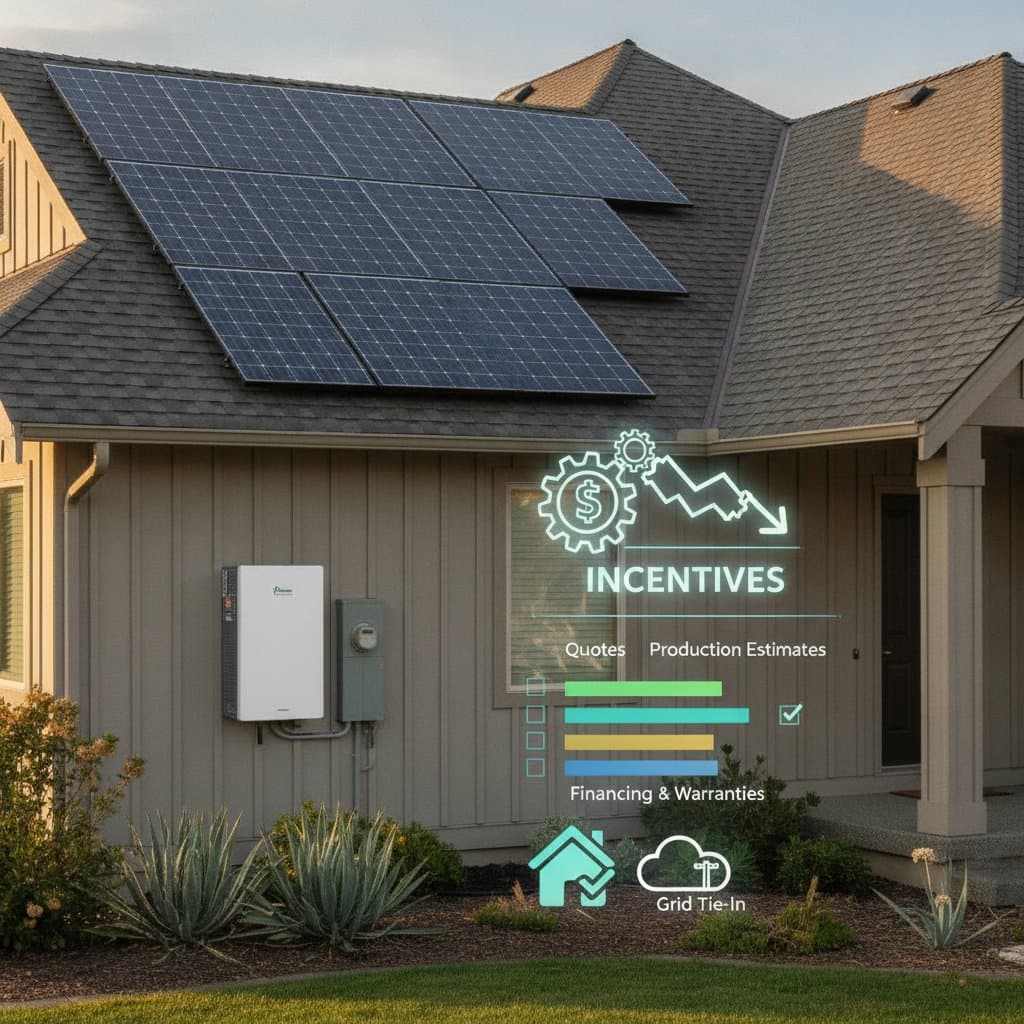
Strategic enhancements, including insulated glazing or photovoltaic systems, elevate initial spends yet yield savings on bills and attract tenants in eco-conscious markets. Forward-thinking maintenance preserves investments and maximizes returns.
Securing Lasting Benefits from Your ADU
A well-executed ADU bolsters financial stability, adapts to evolving needs, and elevates real estate worth through strategic foresight. Success stems from rigorous expense forecasting, meticulous execution, and consistent preservation.
Tailor decisions to specific aims, whether income supplementation, relative support, or portfolio growth. This disciplined framework empowers homeowners to harness ADU potential while minimizing exposures.