All tasks involving electrical systems or roof installations demand services from certified solar or electrical specialists.
Processing Timeline:
Claims generally process within 3 to 10 days after approval. Actual repairs might extend if components face delays in sourcing.
Recommended Maintenance Schedule:
Conduct inspections and cleaning of panels one to two times annually to maintain warranty eligibility.
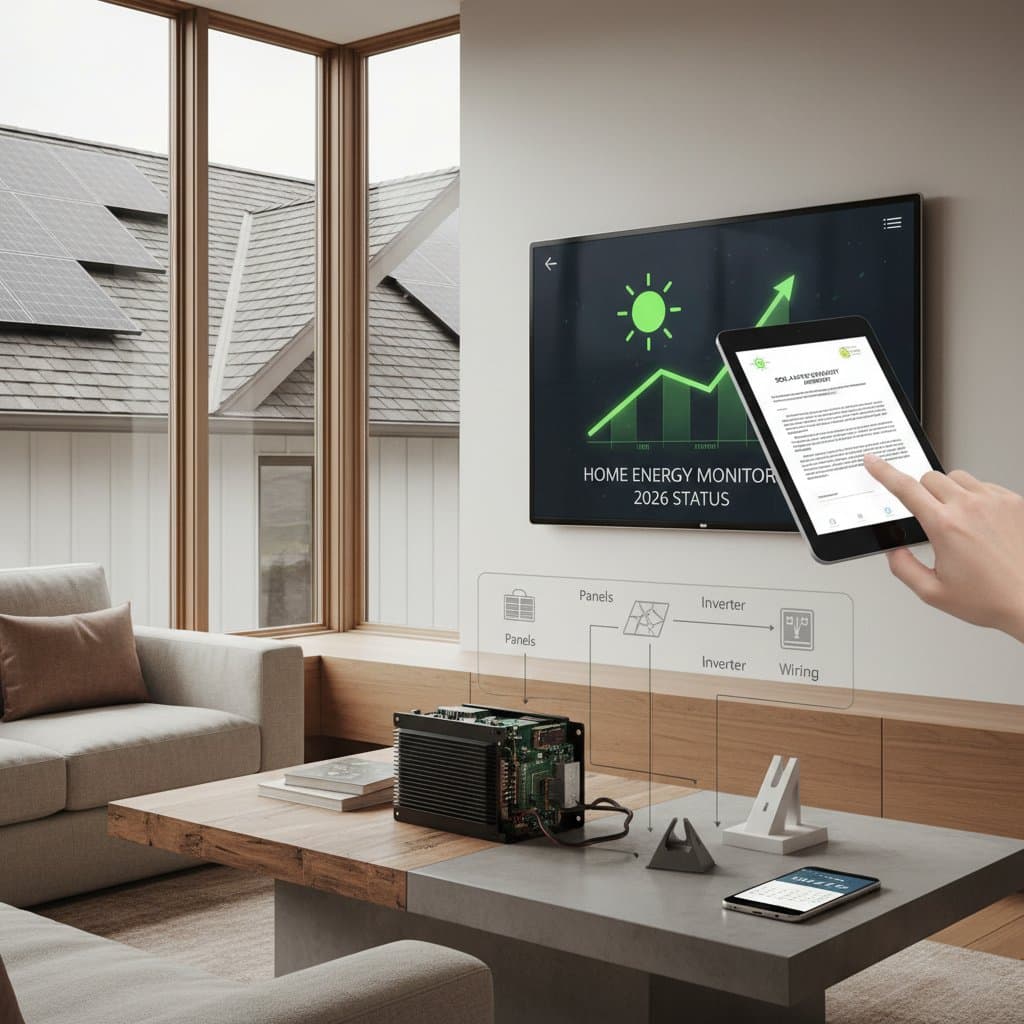
Components of a Residential Solar Installation
Residential solar arrays consist of several interconnected parts, each susceptible to distinct failure modes. Understanding these elements aids in selecting appropriate warranty options.
- Solar Panels: These capture sunlight and generate direct current electricity. Degradation or physical damage can impair output over time.
- Inverter: This device transforms direct current into alternating current suitable for home appliances. Overheating or electrical faults often necessitate replacement.
- Mounting Hardware: Racks and brackets affix panels to rooftops. Corrosion or loosening from environmental stress compromises stability.
- Monitoring Equipment: Software and devices oversee performance and detect issues. Failures here can delay identification of broader problems.
- Battery Storage Units: Optional systems store surplus energy for off-peak use. Capacity loss or internal faults require specialized attention.
- Integration with Electrical Panel: Connections tie the solar output to the home's power grid. Improper wiring invites hazards and inefficiencies.
Panels might crack from impacts, while inverters fail due to surges. Wiring corrosion accelerates in moist environments. Warranties often differentiate coverage by component, so review specifics carefully.
Indicators Requiring Warranty Intervention
Prompt attention to system irregularities prevents minor issues from escalating. Contact your warranty provider or original installer upon observing these symptoms.
- Reduced energy output or diminished utility bill savings.
- Displayed error messages on the inverter interface.
- Odors of burning or scorch marks around electrical connections.
- Panels appearing dislodged or unstable following severe weather.
- Evidence of moisture penetration near mounting points.
Capture documentation through photographs and performance logs prior to submitting claims. Providers frequently require verification of routine upkeep and professional installation to validate requests.
Pricing Analysis and Influencing Elements
Home warranties involve multiple expense categories, with solar additions introducing variability. The table below outlines common costs.
| Line Item | Typical Range | Notes and Variables |
|---|---|---|
| Base Home Warranty Plan | $600 - $900 annually | Encompasses core home systems such as heating, plumbing, and general electrical. |
| Solar-Specific Add-On | $100 - $500 annually | Scales with installation size and component complexity. |
| Technician Dispatch Fee | $75 - $150 per call | Applies each time a professional assesses the issue. |
| Inverter Replacement | $1,000 - $2,500 | Coverage applies for wear-related failures, excluding misuse. |
| Individual Panel Swap | $250 - $600 per unit | Frequently omitted from standard plans without targeted riders. |
| Roof Repairs Linked to Solar | $300 - $1,200 | Excluded unless damage stems directly from faulty installation. |
Several factors shape these expenses. Larger or older systems demand higher premiums due to repair complexity. Regional labor costs and part availability further influence totals. Ownership status, whether purchased outright or leased, also affects applicability.
Essential Safety Protocols and Regulatory Compliance
Solar setups involve elevated voltages, demanding strict adherence to safety measures. Non-compliance risks injury, system damage, or warranty invalidation.
Deactivate the system via the main disconnect prior to any examination. Employ protective gear including insulated tools and eyewear. Refrain from traversing panels or damp roofing surfaces. Adhere to prevailing electrical and construction regulations for all modifications.
Local authorities mandate specialized licensing for solar technicians. Unauthorized interventions not only jeopardize safety through fire or electrocution hazards but also nullify coverage agreements.
Geographic and Environmental Considerations
Installation environments profoundly impact solar longevity and warranty needs. Tailor protections to regional challenges for optimal performance.
Climatic Influences:
Freeze-thaw actions in colder areas strain mounting integrity and cabling. High humidity and heat foster corrosion in tropical zones. Arid conditions accumulate dust, necessitating frequent cleaning to sustain efficiency. Coastal exposure requires materials resistant to salt-induced degradation.
Regulatory Aspects:
Building offices typically insist on permits for inverter exchanges or roof alterations. Certain areas enforce enhanced grounding and surge safeguards.
Appropriate Materials:
Opt for aluminum frameworks in moisture-prone settings to counter rust. Stainless steel components endure better in saline atmospheres.
Optimal Inspection Periods:
Schedule evaluations during spring or autumn to sidestep peak weather extremes like intense summer heat or winter accumulations.
Frequently Asked Questions
Do Standard Home Warranties Include Solar Panels?
Coverage generally limits to inverters and cabling. Panels require dedicated solar endorsements for protection.
Is Warranty Transfer Possible Upon Home Sale?
Affirmative, subject to a nominal fee and confirmation of system condition and contract status.
Does Coverage Extend to Weather-Related Damage?
Negative; such incidents fall under homeowners insurance policies rather than warranty provisions.
How Are Leased Solar Systems Handled?
Leasing entities manage maintenance, rendering home warranties inapplicable.
Is Maintenance Documentation Mandatory for Claims?
Yes; absence of cleaning or inspection proofs may result in claim denials.
What Is the Expected Lifespan of a Solar Inverter?
Typically 10 to 15 years, influenced by operational demands and local conditions.
Can Existing Warranties Accommodate Added Battery Storage?
Only through provider-specific battery add-ons; base plans often exclude them.
Steps to Secure and Maintain Your Solar Coverage
Select a warranty provider with robust solar riders tailored to your setup. Review contracts for exclusions and integrate annual maintenance into your routine. By aligning protections with system needs and local factors, homeowners safeguard investments against unforeseen failures. This proactive approach ensures sustained efficiency and peace of mind through 2026 and beyond.