Essential Solar Warranty Terms to Safeguard Your $18,500 Investment
Solar panels transform sunlight into enduring savings and environmental benefits. Protecting this investment requires a clear grasp of warranty coverage. Professional installations for solar panel systems range from $14,000 to $24,000, with the average homeowner investing approximately $18,500 for a standard setup. These systems generally feature performance warranties and product warranties, which ensure reliable energy production and durable hardware.
Three primary factors shape the value of panel protection: manufacturer quality, installation workmanship, and adherence to maintenance protocols. Each element influences warranty validity and the likelihood of successful claims. Data from the Solar Energy Industries Association indicates that well-maintained systems maintain up to 92 percent of their performance efficiency after 25 years. A thorough understanding of coverage specifics prevents unexpected expenses from defects or reduced output.
A robust solar warranty extends beyond panel protection to foster sustained energy independence. Verifying terms at the outset preserves both system performance and property appreciation.
Decoding the Structure of Solar Warranties
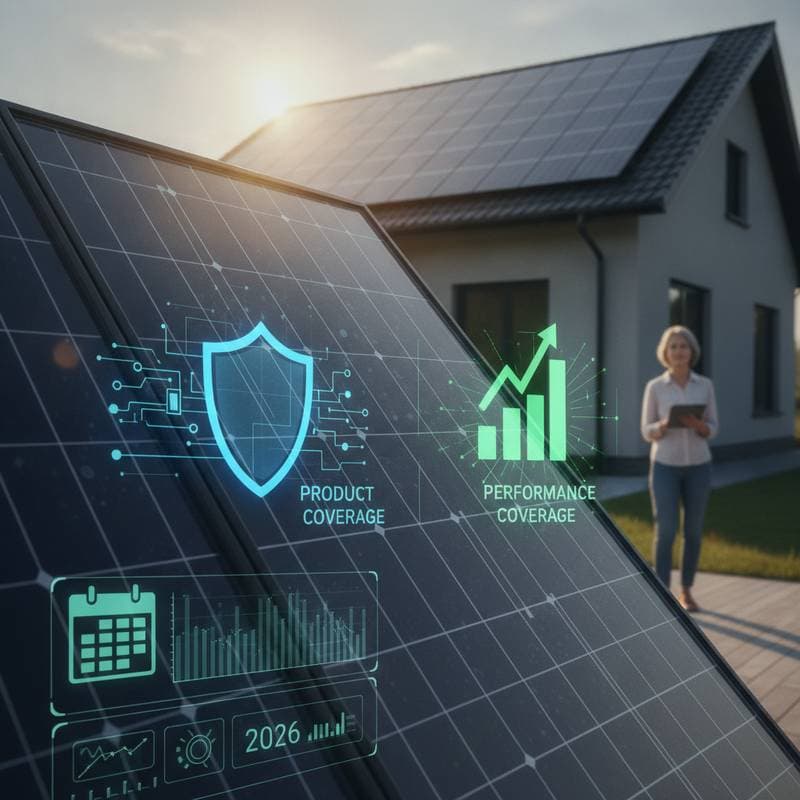
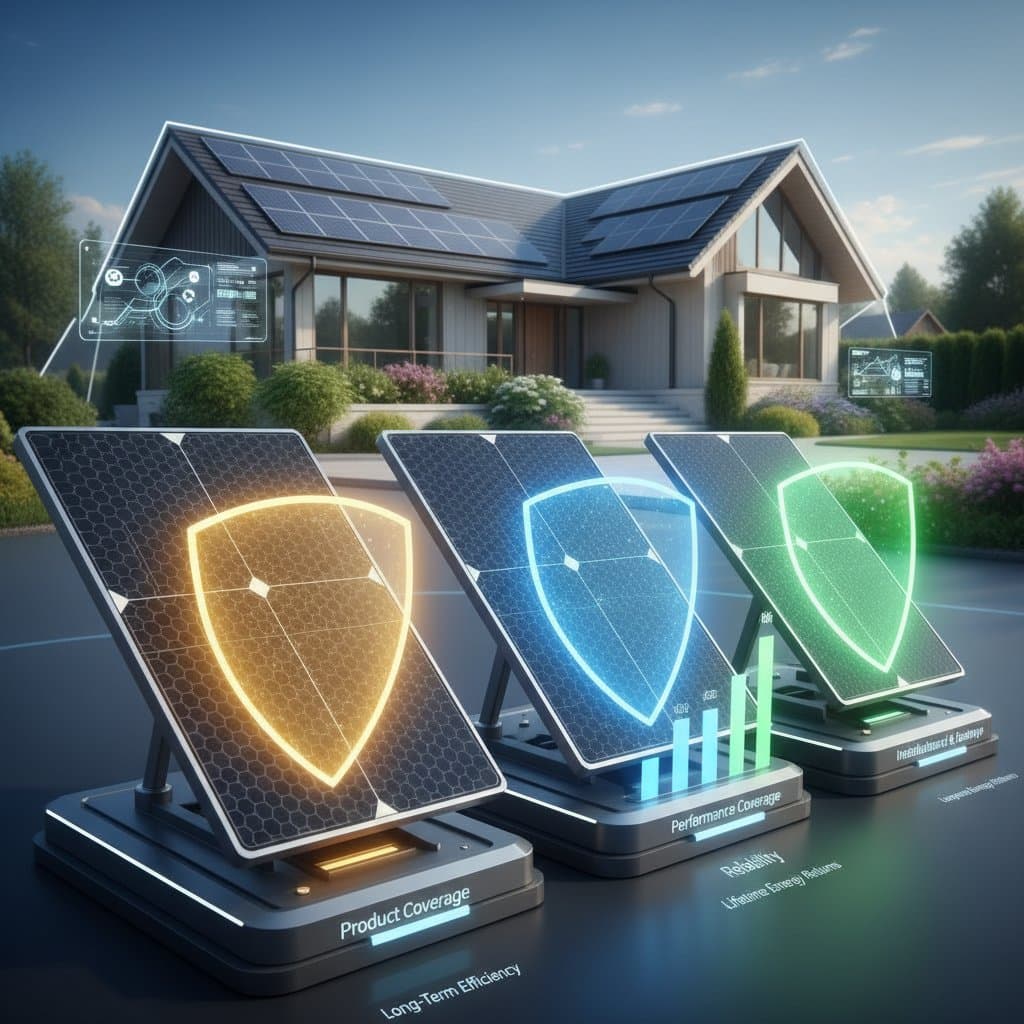
Solar warranties encompass two core components. The performance warranty assures a specified level of energy output over an extended period, whereas the product or equipment warranty addresses flaws in materials or manufacturing processes.
Performance warranties commonly guarantee that panels retain at least 80 to 85 percent of initial capacity after 25 years. Product warranties span 10 to 25 years, varying by brand and model. For instance, SunPower and REC Solar provide comprehensive 25-year coverage for both performance and equipment. In contrast, more affordable options such as Renogy and Grape Solar offer terms of 10 to 12 years.
Breaking Down Costs by Brand and Coverage Level
- Entry-Level Systems: Total costs range from $14,000 to $16,000, accompanied by fundamental 10-year product warranties. These suit smaller residences or cost-conscious setups.
- Mid-Range Systems: Prices fall between $17,000 and $20,000, with 20-year product warranties and performance efficiency assurances. Q Cells and Canadian Solar lead in this segment.
- Premium Systems: Investments from $21,000 to $24,000 include 25-year comprehensive warranties and superior degradation resistance. LG Solar panels frequently appear in this tier.
Adding each additional kilowatt of capacity increases installation expenses by about $2,800 to $3,200. Panels backed by stronger warranties retain higher resale value, positioning them as superior long-term choices.
Key Influences on Warranty Scope
- Installation Quality: Faulty mounting or wiring installations can invalidate manufacturer protections. Engage only certified installers endorsed by the panel producer.
- Environmental Factors: Areas prone to intense heat, coastal salt, or substantial snowfall demand tailored warranty options.
- Maintenance Documentation: Certain manufacturers mandate periodic inspections to uphold warranty terms.
Geographic variations affect costs as well. Urban locations typically incur a 15 to 20 percent increase due to elevated labor and permitting fees, whereas rural settings may encounter fewer installer choices.
Weighing Professional Installation Against DIY Options
Self-installation appeals to technically inclined homeowners, yet it carries substantial warranty risks. Leading manufacturers nullify coverage for panels installed without professional licensing and certification.
Materials for DIY projects cost between $9,000 and $12,000, with essentials like microinverters, racking, and wiring kits contributing another $1,500 to $2,000. Beyond finances, challenges include a steep learning curve, estimated at 40 to 60 hours for preparation and execution.
Professional services add $4,000 to $6,000 in labor fees but secure the complete manufacturer warranty, frequently supplemented by a 10-year workmanship assurance. Experts manage permits, grid integration, and regulatory inspections, all of which shield the investment.
Financial analysis reveals that professional approaches, despite higher initial outlays, yield average annual savings of $1,200 through reduced maintenance and repair needs.
Strategies for Effective Warranty Oversight and Expense Reduction
Homeowners lower ongoing expenses by conducting annual warranty reviews and arranging maintenance prior to peak heat periods. Scheduling inspections in off-season months trims service costs by 10 to 15 percent.
Obtain at least three estimates from accredited contractors. This process uncovers opportunities for extended warranties or complimentary monitoring features. Integrating inverter and racking protections with panel coverage cuts overall expenses by 5 to 8 percent.
Routine actions prove invaluable: clear debris from panels regularly, record serial numbers meticulously, and archive warranty documents in digital format to avert future claim complications.
Emerging Trends and Metrics for Warranty Assessment
Warranty excellence serves as a key market distinguisher in the solar sector. Top installers now incorporate production guarantees, compensating owners for outputs below projected levels.
In expensive urban markets, systems with solid warranties enhance home resale value by up to 4 percent over those with lapsed or restricted coverage. Dependable warranties also link to diminished lifetime upkeep expenses, curbing unexpected repairs by 30 percent.
Supply chain disruptions and workforce variability impact pricing dynamics. Verify if warranties encompass assurances for parts procurement or limits on labor reimbursements.
Steps to Secure Lasting Returns from Your Solar System
The solar warranty functions as a vital financial buffer, guaranteeing steady energy benefits across decades. Examine terms promptly to sidestep costly issues down the line. Implement these practices to unlock the full potential of your investment, ensuring reliable performance and maximized savings.