The True Cost of 2025 ADU Builds for Families
Accessory dwelling units, known as ADUs or backyard cottages, offer families a practical way to gain more space without moving. These units serve purposes such as housing an aging parent, accommodating a college student, or generating rental income. However, the actual expenses involved prove more intricate than initial estimates indicate. Families that develop a thorough financial and procedural strategy during construction better safeguard their budgets and future stability.
Defining the Scope of an ADU Build
An ADU represents a secondary housing unit constructed on an existing residential property. Options include attaching it to the primary home, converting a garage, or erecting a detached structure in the backyard. Each choice involves unique design, permitting, and infrastructure demands.
Common configurations encompass:
- Attached ADUs, which share utilities and structural elements with the main residence
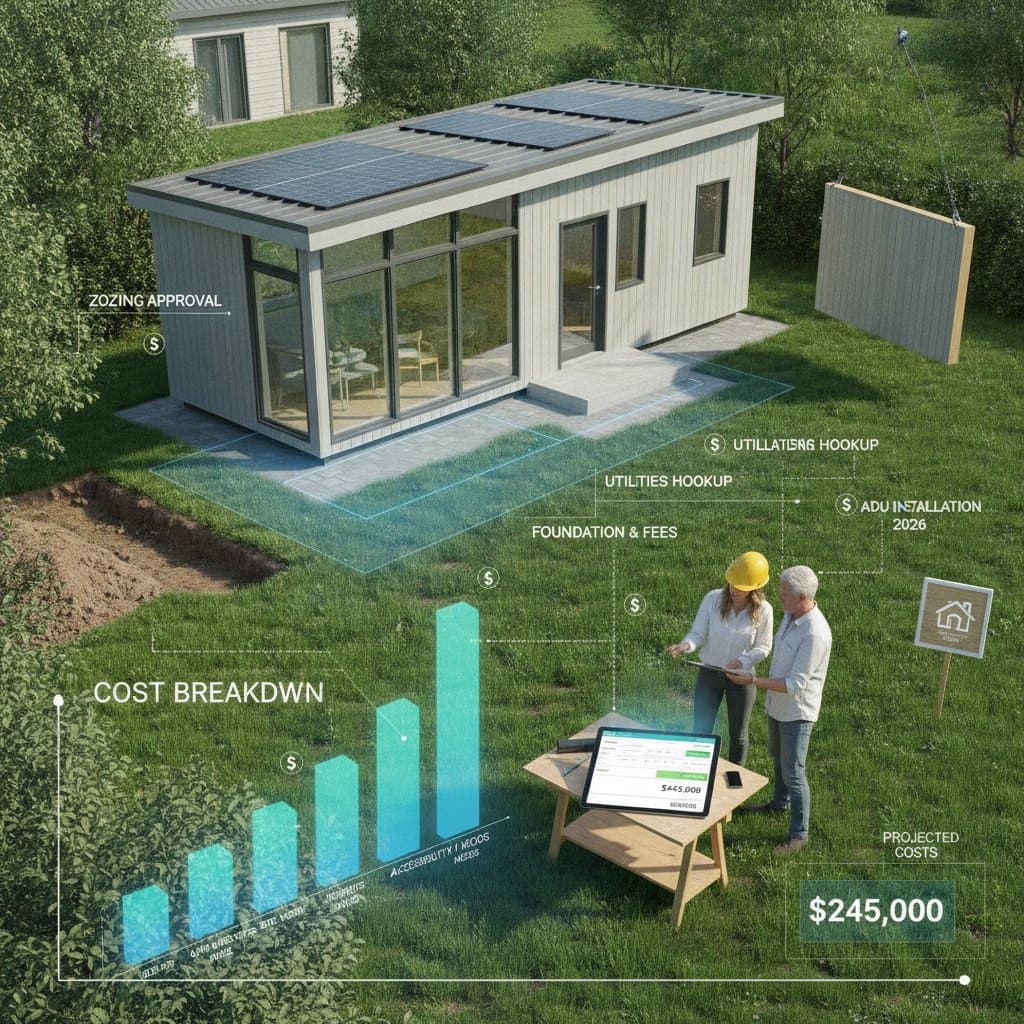
- Detached cottages, necessitating independent foundations, utility hookups, and landscaping adjustments
- Garage conversions, which adapt existing buildings yet frequently require fresh plumbing installations and enhanced insulation
Assessing the property alignment with local zoning laws and utility capabilities establishes the foundation for precise cost forecasts.
Breaking Down the Cost Structure
The overall expense of an ADU project extends well beyond the contractor initial bid. Homeowners must anticipate multiple layers of costs that build up across design, building, and completion stages.
Base construction costs for a detached unit generally fall between $250 and $500 per square foot, influenced by design intricacy and material selections. For instance, a 600-square-foot ADU might range from $150,000 to $300,000 prior to supplementary charges.
Soft costs cover elements like architectural plans, engineering assessments, geotechnical analyses, and local permits. These elements commonly increase the project total by 15 to 25 percent.
Utility enhancements often catch families off guard. Should the primary home electrical system or sewage infrastructure lack sufficient capacity, upgrades or expansions could add $5,000 to $20,000 or more, depending on the scope.
Financing charges require careful consideration as well. Options such as home equity loans, construction financing, or cash-out refinances involve interest rates and processing fees that alter the enduring ownership expenses.
Understanding the Process Step by Step
The ADU development unfolds in distinct phases, each presenting opportunities for cost control.
- Initial planning and design: Consult architects or designers to draft plans compliant with zoning setbacks and building codes. Incorporate energy-efficient features early to qualify for potential rebates.
- Permitting and approval: Submit documents for municipal evaluation, which may span four to eight weeks. Address any feedback promptly to avoid delays that inflate labor charges.
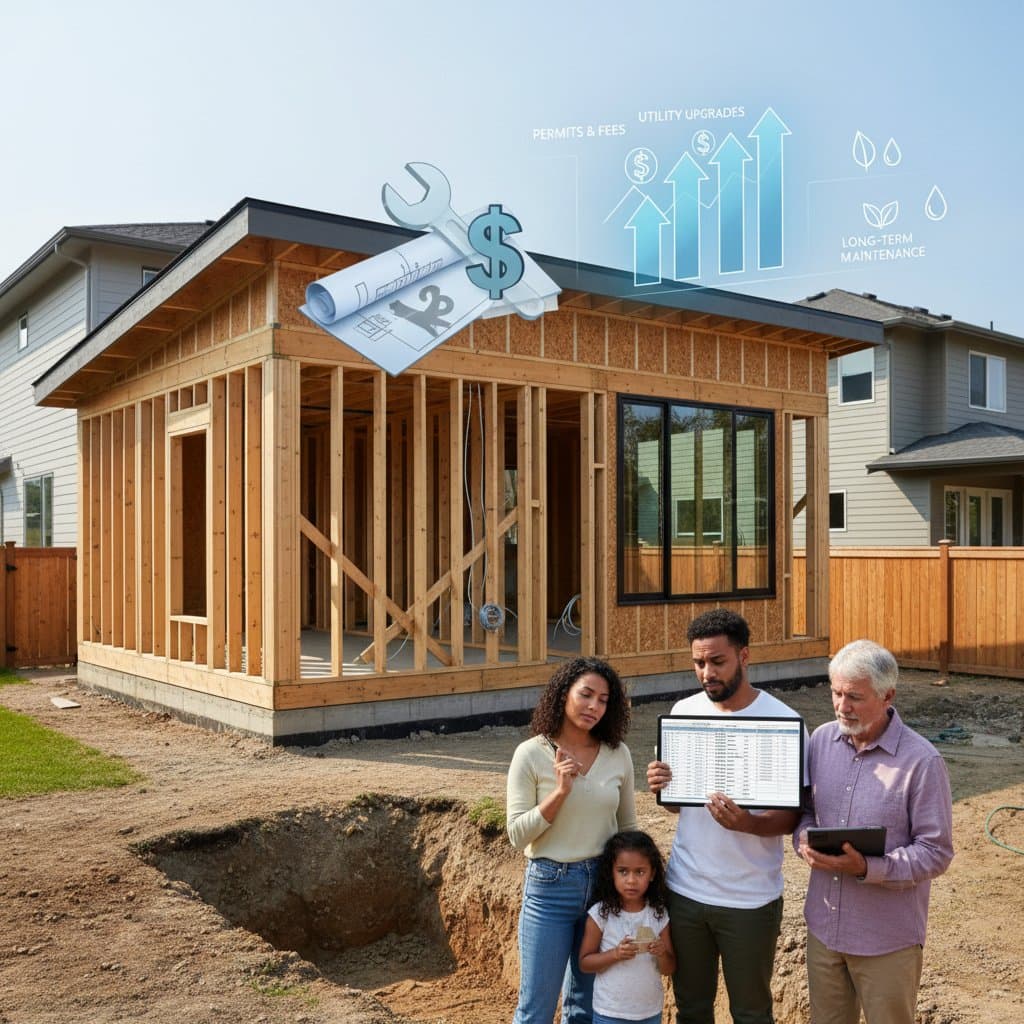
- Site preparation: Undertake grading, foundation pouring, and utility excavations post-approval. Conduct pre-work soil tests to mitigate surprises from unstable ground, which could necessitate additional stabilization efforts.
- Construction phase: Proceed with framing, installing plumbing and electrical systems, and applying finishes in sequence. Schedule inspections midway to resolve issues before they compound expenses.
- Final inspection and occupancy: Secure certification from local authorities confirming adherence to safety and code standards. This step enables legal occupancy or leasing.
Homeowners benefit from tracking progress through detailed records, logging all expenditures, and approving change orders in writing to prevent unforeseen financial hits.
Coverage Limitations and Hidden Expenses
Contractor proposals seldom encompass every project detail. Fine print frequently omits landscaping, fencing installations, or driveway alterations. Selecting appliances, upgrading cabinetry, or incorporating custom finishes can escalate budgets by 10 to 30 percent.
Warranty provisions present another challenge. Structural guarantees typically endure one to two years, whereas appliances and fixtures offer briefer terms. Verify coverage sources, whether from the contractor, suppliers, or external insurers, to understand protection levels.
Financial Implications Over Time
ADU ownership costs persist after construction concludes. Property tax assessments rise with the added structure value, potentially increasing annual bills by 5 to 15 percent. Homeowners insurance rates adjust upward to account for the expanded coverage area.
Ongoing maintenance, repairs, and potential renovations demand reserved funds. For rental purposes, project a break-even period factoring in loan repayments, policy premiums, and upkeep. Assume 80 percent annual occupancy to account for vacancies and repairs, ensuring income projections remain grounded.
Decision Framework for Evaluating Options
Prospective builders should weigh essential considerations prior to proceeding:
- Liquidity and financing readiness: Assess ability to absorb overruns up to 20 percent without depleting emergency reserves
- Future adaptability: Determine if the ADU accommodates evolving family dynamics or adapts to regulatory changes in short-term rentals
- Resale potential: Analyze whether the investment elevates home market value by at least 70 to 80 percent of outlay, based on local trends
Steps to Secure Your ADU Investment
To preserve both fiscal health and build quality, obtain detailed, line-item proposals from multiple contractors. Confirm licensing, bonding, and insurance, then check recent client testimonials. Engage third-party inspectors at foundation, framing, and completion stages to detect defects promptly.
A well-executed ADU enhances family living arrangements and asset worth. Approach the endeavor with rigorous financial oversight and methodical execution to yield a structure that delivers enduring benefits rather than ongoing burdens.