2026 Solar Panel Costs and Warranty Coverage Explained
Quick Take
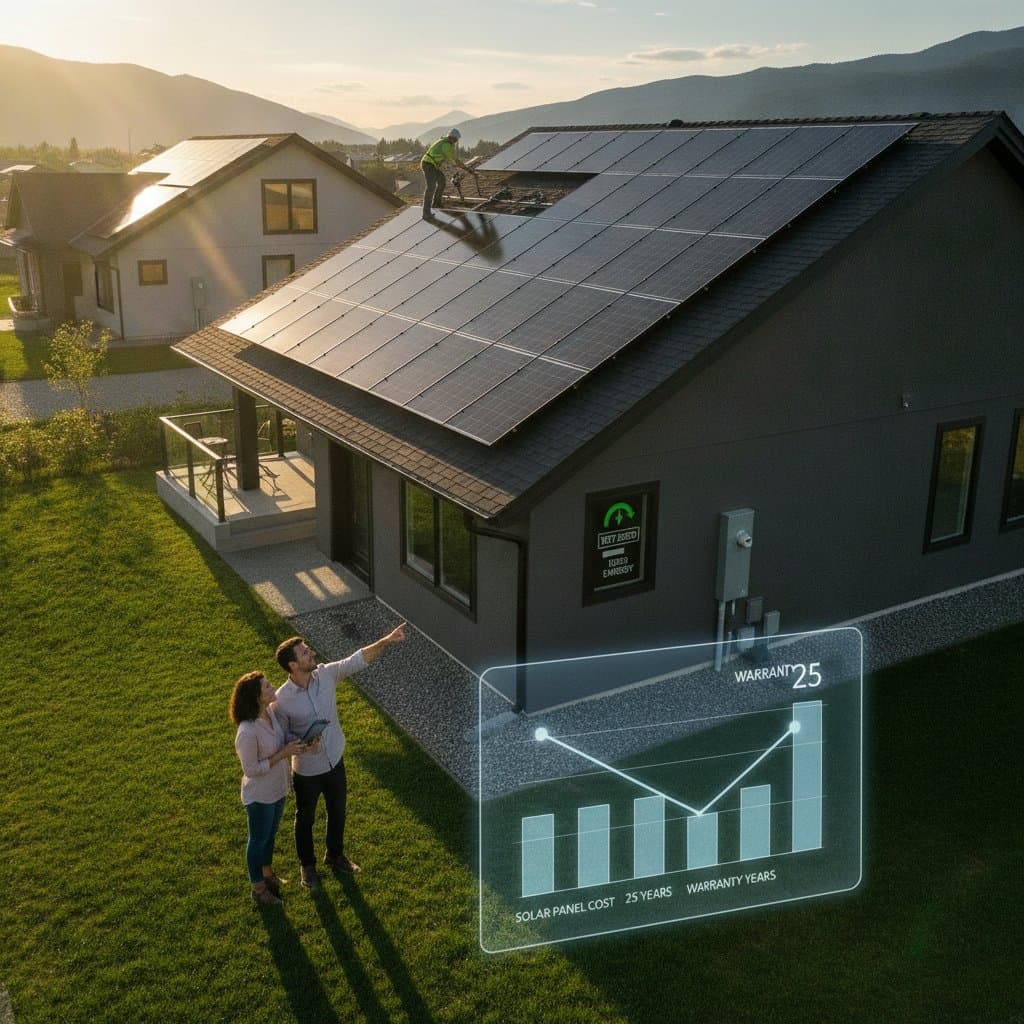
- Expect residential solar systems to cost between $14,000 and $24,000 before tax credits.
- Most panels carry 25 year performance warranties and 10 to 12 year product warranties.
- Labor, roof type, and equipment choice drive total price more than panel brand.
Pros and Cons
Pros
- Cuts electric bills once installed.
- Increases home value in many regions.
- Locks in energy costs against utility rate hikes.
- Qualifies for federal and local tax incentives.
Cons
- High upfront cost before rebates.
- Needs clear roof space and good sunlight.
- Production drops if panels get shaded or dirty.
- Roof repairs later may require temporary removal.
Step by Step Planning and Installation
Tools and Materials
- Tape measure
- Ladder and roof safety harness
- Voltage tester
- Drill and lag bolts
- Sealant rated for roofing
- Solar racking kit and panels
- Inverter and electrical conduit
Time and Difficulty
Professional install takes 1 to 3 days. A DIY install requires 4 to 7 days and advanced skill.
- Assess your roof. Check orientation, slope, and condition. Replace old shingles before adding weight.
- Size your system. Review your last twelve months of power bills. Multiply your average monthly usage by 12, then divide by your region solar production factor to estimate needed system size.
- Get quotes. Ask at least three licensed installers for bids that include equipment, labor, permit fees, and warranties.
- Secure permits. Most areas require electrical and structural permits. Inspectors confirm load limits, disconnects, and wiring standards.
- Install mounting hardware. Seal every roof penetration to prevent leaks. Use flashing that meets roofing code.
- Mount and wire panels. Follow the manufacturer wiring diagram. Use conduit for all exposed runs. Keep wiring neat and labeled.
- Connect inverter and monitoring. Mount the inverter near your main panel. Run output through a breaker labeled PV Supply.
- Inspection and activation. Your utility or local inspector must approve before you power on. Once cleared, monitor output daily for the first week.
Warranty Coverage
Solar panel warranties come in two main types. Product warranties cover defects in materials or manufacturing. Most last 10 to 12 years. If a panel cracks or the junction box fails within that period, the manufacturer replaces it or reimburses labor.
Performance warranties guarantee a certain output level after decades of use. They typically ensure 80 to 85 percent output after 25 years. This ensures gradual decline, not sudden loss.
Inverter warranties usually run 10 to 15 years. Since inverters handle electrical conversion, they wear out sooner. Some brands let you extend coverage for a fee.
Labor warranties come from installers and usually last 1 to 5 years. They cover workmanship issues like loose wiring or water leaks from mounting points.
Keep all warranty documents together. Register your products with the manufacturer to simplify claims.
Maintenance and Prevention
Inspect twice a year. Rinse panels with a hose to remove dust. Inspect wiring for cracks or chew marks. Check production data against expected output. Tighten loose racking bolts if needed.
Stable performance, no leaks, and fewer warranty disputes follow from regular care. If production drops suddenly, test voltage at the inverter. A single failed panel can pull output down. Contact your installer if readings fall below expected levels.
Common Questions
How long do solar panels last?
Most stay productive for 25 to 30 years. Output slowly drops but rarely stops completely.
What happens during cloudy days?
Panels still create power, though at reduced levels. Systems tied to the grid draw extra power automatically when needed.
Can I add batteries later?
Yes. Many systems are battery ready. Ask your installer to include a hybrid inverter for future expansion.
Will solar affect my roof warranty?
Only if holes are drilled incorrectly. Reputable installers use flashing that protects shingles and keeps manufacturer warranties intact.
Do I need to clean panels often?
Usually not. Rain handles most dust. Clean if you see a visible film or bird droppings that shade cells.
Next Actions
Start with a site assessment. Gather your last year of power bills, then schedule a few system quotes. Compare warranty terms as closely as you compare prices. Ask installers to show proof of certification and insurance.
If your roof and budget fit, solar can cut your utility costs and lock in predictable energy rates. With clear warranty coverage and proper upkeep, your system should deliver reliable power for decades with minimal fuss.