Understanding Multigenerational Renovations in 2025
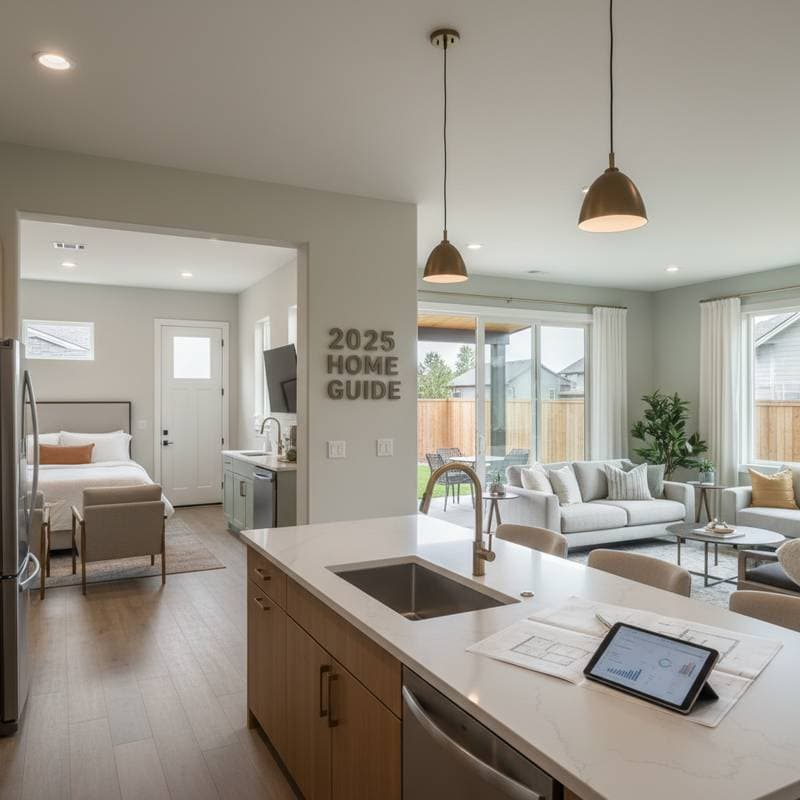
Multigenerational living arrangements have become increasingly common as families seek ways to support aging relatives, young adults, or extended households under one roof. These renovations transform existing homes into flexible spaces that accommodate multiple generations while maintaining privacy and independence. In 2025, factors such as rising material costs, updated building codes, and a focus on energy efficiency influence the overall expense and design approach.
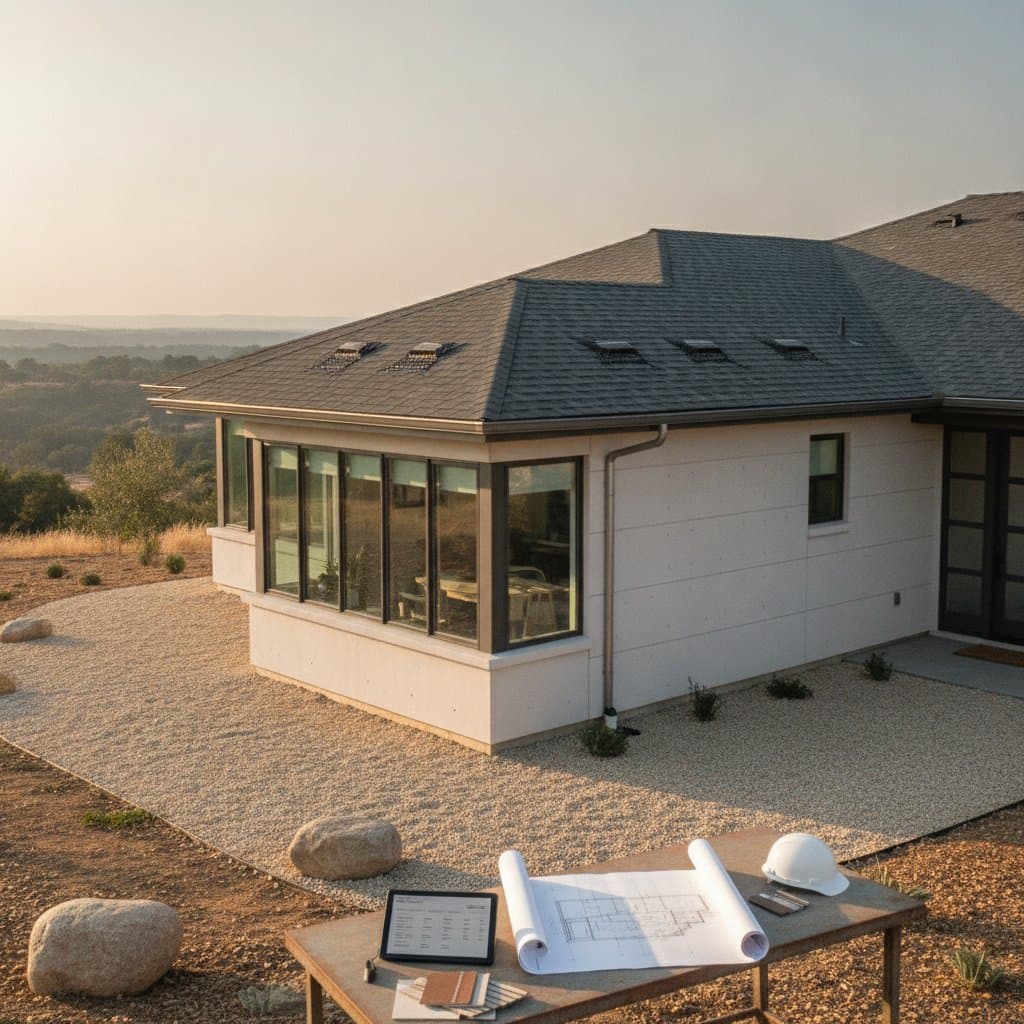
Homeowners undertaking these projects must consider not only the initial investment but also long-term benefits like reduced housing costs and strengthened family bonds. Typical conversions include basement suites, attached accessory dwelling units (ADUs), or additions that integrate seamlessly with the primary residence. Success depends on thorough planning, adherence to local regulations, and selection of durable materials that ensure the space remains functional for years.
This guide breaks down the essential costs, regulatory requirements, and strategies to make your project efficient and cost-effective. By addressing key elements upfront, you position your home as a resilient hub for family life.
Navigating Permits and Building Codes
Securing the right permits forms the foundation of any multigenerational renovation. Local authorities require approvals to ensure safety and compliance, particularly for structural modifications or new living units. Failure to obtain these can lead to fines, insurance complications, or challenges during home resale.
Key permits often include:
- Building permit for structural work, such as framing or foundation alterations.
- Electrical and plumbing permits for installing new circuits, fixtures, or drainage systems.
- Zoning review for ADUs or secondary suites, which verifies alignment with local density and setback rules.
Building codes emphasize habitability and accessibility. Essential requirements cover:
- Minimum ceiling height of seven feet in all habitable spaces to promote comfort and airflow.
- Egress windows in basement bedrooms with at least 5.7 square feet of clear opening for emergency escape.
- Ground fault circuit interrupter (GFCI) outlets positioned near sinks, in bathrooms, and along exterior walls to prevent shocks.
- Smoke and carbon monoxide detectors installed in every sleeping area and on each level of the home.
These standards protect occupants across age groups, from children to seniors. Consult your local building department early to identify any additional mandates, such as energy efficiency ratings or universal design features for mobility.
Breaking Down Renovation Costs
Costs for multigenerational renovations vary based on location, home size, and scope. In 2025, expect averages of $150 to $300 per square foot for basement conversions or attached ADUs, with full additions reaching $250 to $400 per square foot. Influencing factors include labor rates, which have increased due to skilled trade shortages, and material prices affected by supply chain dynamics.
Major cost drivers encompass structural work, utility upgrades, and finishes. For a 600-square-foot basement suite, total expenses might range from $90,000 to $180,000. Budget 10 to 15 percent for contingencies like unforeseen soil issues or code changes.
To evaluate bids effectively, compare detailed scopes rather than headline prices. The following table illustrates sample line items from three contractors for a typical project:
| Line Item | Specification or Scope | Contractor A | Contractor B | Contractor C | Variance Notes |
|---|---|---|---|---|---|
| Foundation Tie-In | 12-inch footing with rebar | $6,200 | $5,900 | $7,100 | Differences in depth and soil quality |
| Plumbing Rough-In | Two bathroom groups | $9,800 | $10,400 | $11,200 | Based on distance from main drain |
| Electrical Service Upgrade | 200-amp panel | $4,500 | $5,200 | $4,800 | Variations in panel brand and meter relocation |
| HVAC Split System | 2-ton heat pump | $8,700 | $8,100 | $9,400 | Ducted versus ductless configurations |
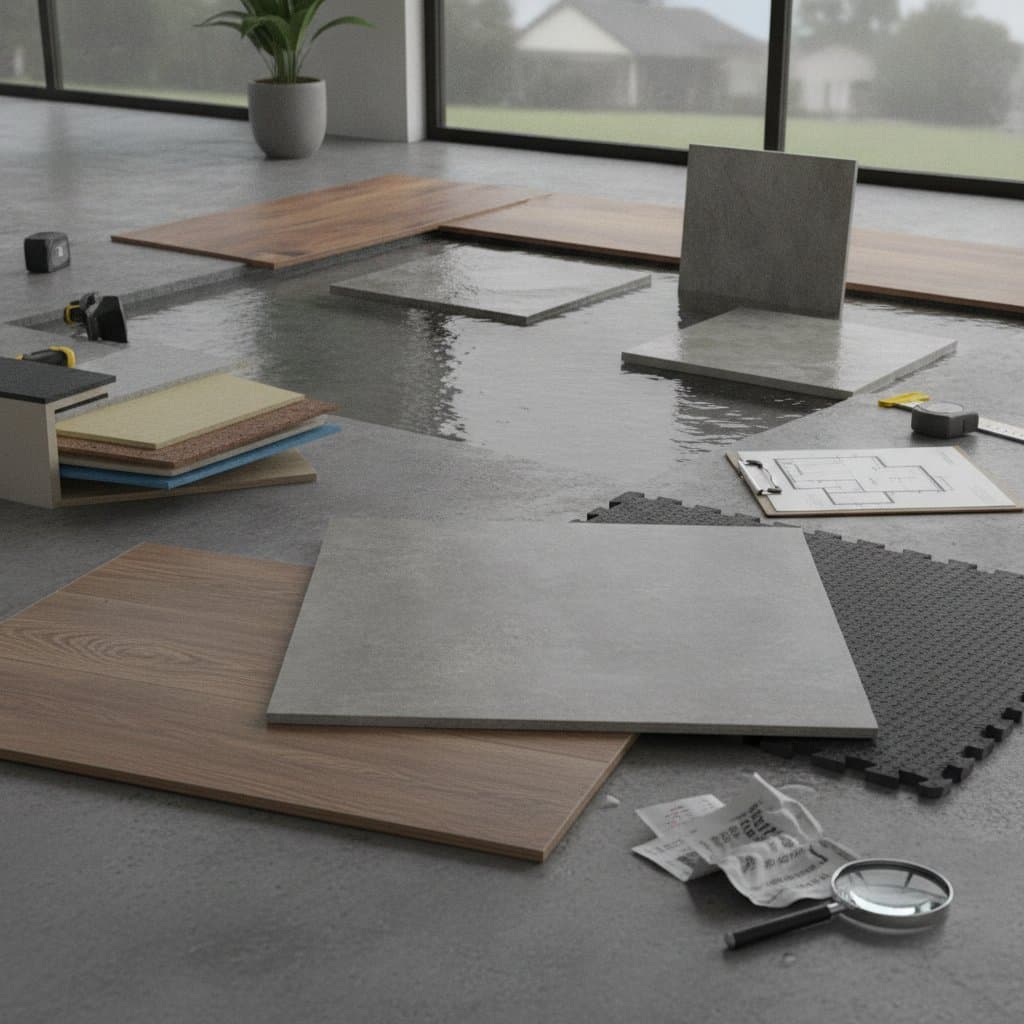
| Finishes and Trim | Paint, flooring, doors | $11,000 | $12,300 | $10,600 | Differences in material grades |
Request specifics from each bidder, including insulation R-values (aim for R-19 in walls and R-38 in attics), fixture counts, and allowances for finishes. This transparency helps avoid surprises and ensures apples-to-apples comparisons.
Developing a Maintenance Plan
A thoughtfully constructed multigenerational space requires ongoing care to preserve its integrity and functionality. Proper maintenance extends the lifespan of components, safeguards indoor air quality, and prevents costly repairs. Focus on moisture control, ventilation, and system efficiency to support residents' health and comfort.
Establish a structured maintenance framework:
- Immediate Post-Installation Checks: Test all GFCI outlets for functionality, inspect caulking around wet areas like showers and sinks, and verify HVAC airflow through vents.
- Seasonal Tasks: Clean intake filters on HVAC units every three months, examine door sweeps for wear, and inspect roof flashings for leaks during wet seasons.
- Annual Inspections: Drain and flush the water heater to remove sediment, reseal grout in tiled areas, and schedule professional HVAC servicing to maintain efficiency.
- Long-Term Replacements: Plan to replace flooring every 15 to 20 years, water heaters after 10 to 12 years of use, and roofing materials between 20 and 25 years.
Prioritize ventilation systems to mitigate mold risks, especially in below-grade spaces. Regular attention to these elements ensures the renovation remains a reliable family asset for generations.
Managing Project Timeline and Sequencing
Efficient sequencing keeps multigenerational renovations on track and within budget. Poor coordination can delay completion by weeks and inflate costs through idle labor or storage fees. A standard timeline for a 600-square-foot project spans four to eight months, depending on permitting speed and weather.
Follow this recommended order to minimize disruptions:
- Obtain zoning and design approvals from local authorities.
- Conduct utility capacity checks for electrical, plumbing, and HVAC loads.
- Complete foundation work or structural framing to establish stability.
- Install rough-ins for plumbing, electrical, and HVAC systems.
- Add insulation and drywall for enclosure and soundproofing.
- Apply finishes, including paint, flooring, and trim.
- Schedule final inspections to secure occupancy certification.
Build in overlaps between trades where possible, such as running electrical lines during framing. Coordinate deliveries and inspections well in advance to avoid bottlenecks. Track progress with a shared project calendar to keep all parties aligned.
Addressing Common Renovation Challenges
Even well-planned projects encounter hurdles. Proactive troubleshooting resolves issues quickly and prevents escalation. Common problems in multigenerational setups often relate to moisture, electrical demands, climate control, and noise.
Consider these frequent issues and solutions:
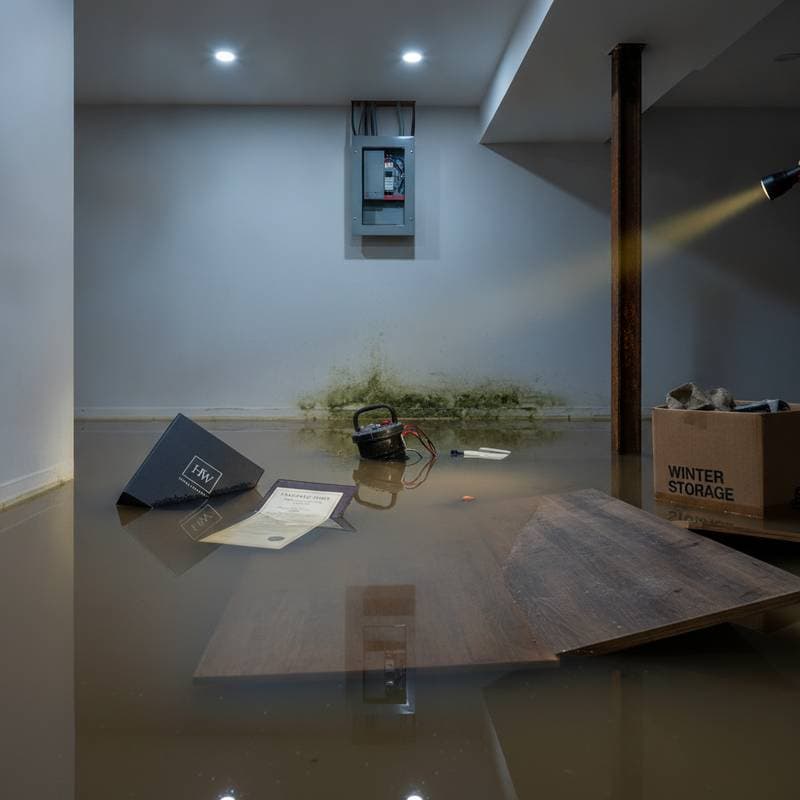
- Persistent Moisture or Odors in Basement Suites: Verify exterior grading slopes away from the foundation; install a perimeter drain system if needed, and incorporate a dehumidifier with a 70-pint daily capacity.
- Frequent Tripped Breakers After Adding Appliances: Upgrade to a 200-amp service panel and install dedicated 20-amp circuits for high-draw items like microwaves and refrigerators.
- Uneven Heating or Cooling Across Zones: Install or adjust balance dampers in ductwork, seal all joints to prevent leaks, or opt for independent mini-split systems in separate living areas.
- Excessive Sound Transfer Between Units: Layer double drywall sheets with Green Glue damping compound and attach to resilient channels for enhanced acoustic isolation.
Document these fixes in your maintenance log. Early intervention maintains the home's livability and avoids larger structural concerns.
Deciding Between Renovation and Purchasing a New Home
Renovating an existing property often proves more economical than buying a purpose-built multigenerational home. Conversion costs average $100 to $250 per square foot for attached spaces, compared to $350 or more per square foot for new construction, plus moving expenses. Renovations also retain your current home's tax basis and community connections.
Evaluate your site's potential: assess available square footage, zoning allowances, and utility infrastructure. If the property lacks suitable space, purchasing might offer immediate solutions with built-in features like separate entrances and elevators. Weigh lifestyle factors, such as proximity to schools or healthcare, alongside financial projections spanning 20 to 30 years.
In many cases, targeted renovations deliver comparable functionality at lower risk, fostering a customized environment tailored to your family's needs.
Steps to Launch Your Project Successfully
Initiate your multigenerational renovation with a defined vision. Identify the occupants, their duration of stay, and specific requirements like private bathrooms or wheelchair-accessible paths. Sketch zones for privacy, shared areas for interaction, and connections to outdoor spaces for well-being.
Engage a design-build firm experienced in ADUs and accessibility standards to streamline the process. Before committing, confirm the firm's licensing, insurance coverage, and client references. Insist on a comprehensive contract that outlines the start date, payment schedule tied to milestones, and protocols for handling changes.
Retain 10 percent of the budget until the final inspection confirms compliance. This approach secures quality workmanship and positions your home as a enduring, supportive space that enhances family dynamics and financial security for years ahead.