Understanding 2025 Costs for Waterproof and Flood-Resistant Flooring
Waterproof and flood-resistant flooring options provide essential protection against water intrusion, preventing costly repairs from storms, leaks, or overflows. Homeowners in vulnerable areas benefit from these materials, which maintain structural integrity and aesthetic appeal over time. Selecting the appropriate type ensures both functionality and long-term value for your property.
Quick Overview of Costs: Installed prices range from $3 to $15 per square foot for most waterproof and flood-resistant flooring. Budget-friendly choices include vinyl planks and ceramic tiles at the lower end of the spectrum. Premium selections, such as epoxy-coated concrete or sealed natural stone, command higher prices due to their enhanced durability and specialized application requirements. Factors like labor charges, subfloor preparation, and additional moisture barriers influence the final expense.
Key Options for Waterproof and Flood-Resistant Flooring
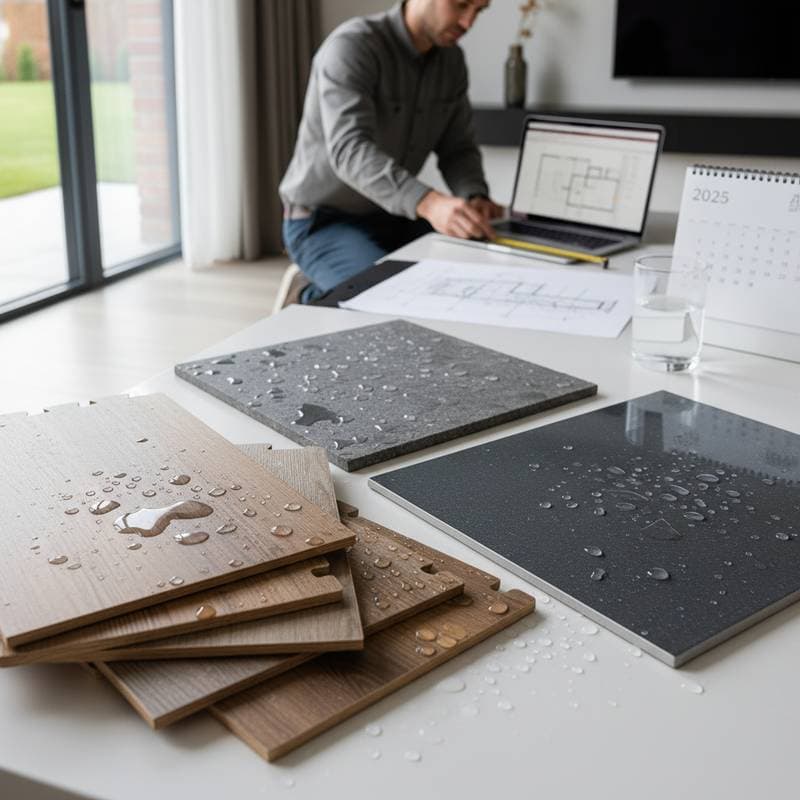
A variety of materials suit different spaces and budgets, each offering unique benefits for water resistance. Consider the intended use, such as kitchens, bathrooms, basements, or garages, when evaluating these choices. The following table summarizes popular types, including cost estimates for professional installation.
| Flooring Type | Cost per Sq. Ft. (Installed) | Pros | Cons |
|---|---|---|---|
| Luxury Vinyl Plank (LVP) | $3–$8 | Completely waterproof core, mimics wood grains authentically, soft and comfortable for daily use | Susceptible to deformation in excessive heat, potential need for replacement following prolonged submersion |
| Ceramic or Porcelain Tile | $5–$12 | Exceptional longevity, simple to maintain with basic cleaning, extensive design variety available | Grout lines require periodic sealing to prevent water penetration, surface remains cool without added heating |
| Epoxy-Coated Concrete | $4–$10 | Creates a continuous, joint-free surface, withstands heavy impacts and chemicals, inhibits mold growth | Demands skilled professional installation, may present slip hazards if not textured properly |
| Rubber Flooring | $6–$15 | Provides cushioning for joints, absorbs noise effectively, inherently slip-resistant even when damp | Design options remain somewhat restricted, colors may fade with prolonged direct sunlight exposure |
| Sealed Natural Stone | $7–$15 | Delivers a luxurious, timeless aesthetic, endures for decades with proper care | Requires consistent sealing to maintain water resistance, installation involves significant weight and effort |
For areas seeking a wood-like appearance with straightforward setup, luxury vinyl plank stands out as an efficient choice. Ceramic or porcelain tile excels in high-traffic zones needing robust sanitation and traditional styling. In utility spaces like basements or garages, epoxy-coated concrete or rubber flooring prioritizes resilience against moisture and wear. Evaluate your room's traffic level and moisture exposure to narrow down the best fit.
Installation Timeline and Process Steps
Professional installation ensures optimal performance, but understanding the sequence helps set realistic expectations. Projects vary based on room size, subfloor condition, and material complexity. Most residential applications complete within one to two weeks, accounting for preparation, installation, and curing periods.
-
Conduct Moisture Testing and Initial Preparation: Allocate one to two days to assess subfloor humidity levels and remove any existing flooring or debris. This step prevents future issues like buckling or mold.
-
Repair and Level the Subfloor: Spend one to three days addressing cracks, uneven areas, or water damage. Use self-leveling compounds for smooth results, essential for materials like vinyl or tile.
-
Proceed with Flooring Installation:
- For vinyl plank or tile: Two to four days suffice for layout, cutting, and securing pieces.
- For epoxy or concrete coatings: Three to five days, including multiple layers and a curing period of at least 24 to 48 hours per coat.
-
Apply Sealing or Finishing Touches: Dedicate one day to grout sealing for tiles or edge treatments for other materials, enhancing overall water resistance.
-
Reassemble and Finalize: Return furniture only after adhesives fully set or coatings cure completely, typically 24 to 72 hours post-installation.
Delays can arise from unexpected subfloor problems or weather impacts on curing times. Consult contractors early to align with your schedule.
Essential Materials and Tools for Installation
Gathering supplies ahead streamlines the process, whether tackling a DIY project or overseeing professionals. Focus on quality items to avoid shortcuts that compromise waterproofing. Always prioritize safety gear like gloves and knee pads during handling.
Tools and Materials for DIY Vinyl or Rubber Flooring:
- Precision tape measure for accurate dimensions.
- Digital moisture meter to confirm subfloor dryness.
- Underlayment sheets or vapor barrier membranes to block underlying dampness.
- Utility knife paired with a straightedge for clean cuts.
- Rubber mallet and tapping block to secure planks without damage.
- Heavy-duty rolling pin or floor roller to press adhesives firmly.
- Flexible sealant for perimeter edges and transition strips.
Tools and Materials for Professional Tile or Stone Installation:
- Cement backer board and thin-set mortar for stable support.
- Tile spacers to maintain even joints and notched trowel for mortar application.
- Wet saw for precise cutting of hard materials.
- Grout float for filling lines and penetrating sealer to protect against stains.
Before any work begins, test the subfloor for moisture content below 12 percent to avoid trapping humidity, which could foster mold growth or cause odors over time. Professionals often recommend additional vapor barriers in high-risk areas.
Factors Influencing Choices by Region and Climate
Local environmental conditions shape the most effective flooring decisions, ensuring performance aligns with daily realities. Tailor selections to combat specific threats like humidity, temperature swings, or seasonal flooding. Integrating complementary systems, such as ventilation, amplifies protection.
-
In Humid or Flood-Prone Regions: Opt for fully impermeable options like vinyl, rubber, or epoxy to handle frequent moisture exposure without degradation.
-
In Cold Climates: Tile and concrete surfaces conduct chill; incorporate electric radiant heating mats beneath for warmth without sacrificing waterproof qualities.
-
In Coastal Areas: Abrasion from salt, sand, and wind accelerates wear; choose finishes with high scratch resistance and UV protection.
-
In Zones with High Water Tables: Pair flooring with sump pumps, French drains, or whole-home dehumidifiers to mitigate upward pressure from groundwater.
Addressing subsurface moisture through proper drainage and ventilation proves equally vital to surface-level waterproofing. Consult local building codes for region-specific requirements.
Frequently Asked Questions
Does waterproof flooring guarantee complete protection against floods?
No material offers absolute flood-proofing. Waterproof surfaces resist surface water effectively, yet submersion can allow seepage through walls or fixtures, potentially trapping moisture below.
Is it possible to install vinyl plank directly over existing tile?
Yes, provided the underlying tile surface remains level and free of moisture. Apply a thin underlayment to bridge grout lines and ensure a stable base.
Can installing waterproof flooring increase property value?
In regions susceptible to flooding, such upgrades appeal to buyers by demonstrating proactive durability. Appraisers often factor in these enhancements during valuations.
What maintenance routines extend the lifespan of these floors?
Regular sweeping and damp mopping suffice for most types. For tiles or stone, reseal grout annually; avoid harsh chemicals on epoxy to preserve the finish.
Steps to Choose and Implement Waterproof Flooring
Begin by evaluating your property's flood vulnerabilities through a professional inspection of drainage and subfloor integrity. Obtain detailed quotes from at least three certified installers, specifying inclusion of moisture testing and warranties. For cost-effective results with brief disruption, luxury vinyl plank delivers reliable coverage. Those prioritizing endurance in demanding environments should consider tile or epoxy applications, backed by routine upkeep for sustained performance and homeowner confidence.