The True Cost of Electrifying Gas Appliances in 2026
Electrifying gas appliances involves replacing gas-powered systems such as stoves, furnaces, and water heaters with electric equivalents. This process reduces emissions, enhances indoor air quality, and decreases long-term maintenance expenses. However, homeowners often face higher initial costs than anticipated.
Understanding Electrification
Electrification entails substituting gas-burning appliances with electric options. Common targets encompass the cooking range, water heater, furnace, and occasionally the clothes dryer. The primary objective is to eliminate on-site gas combustion, thereby reducing carbon emissions and improving indoor air quality.
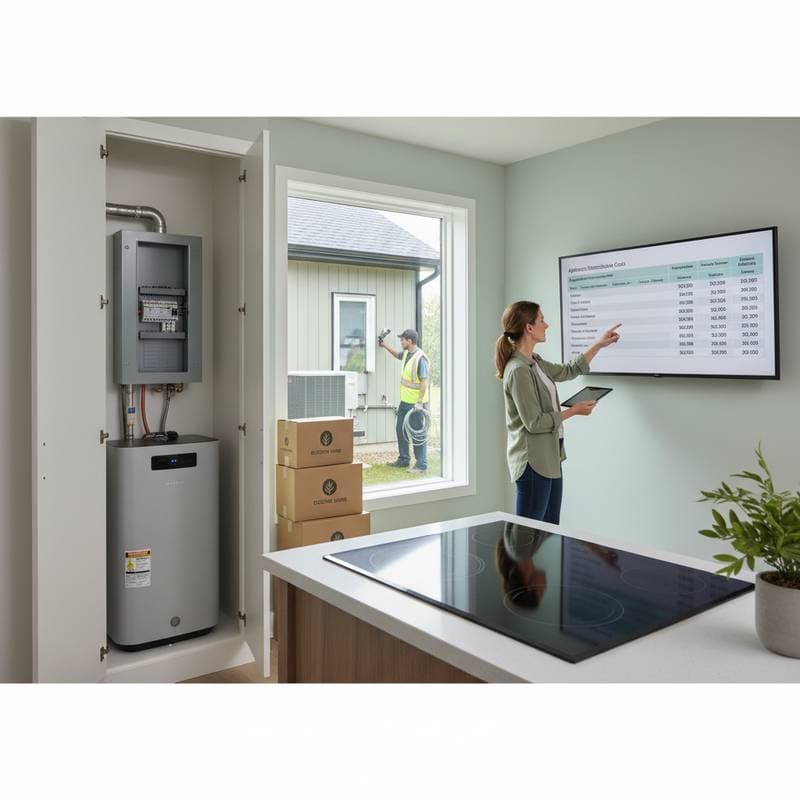
Electric appliances employ either resistance heating, which utilizes coils or elements to generate heat, or heat pump technology, which efficiently transfers heat from one location to another. Induction cooktops leverage magnetic fields to directly heat cookware, providing rapid response times and maintaining cooler kitchen environments.
Indicators for Pursuing Electrification
Consider electrification under these circumstances:
- You plan a kitchen or heating, ventilation, and air conditioning remodel.
- Your gas furnace or water heater approaches the end of its service life.
- Your utility company provides rebates for electric appliances.
- You notice suboptimal indoor air quality or detect gas odors.
- You seek to minimize your carbon footprint or eliminate combustion-related risks.
These factors render the conversion more economical, as they coincide with natural equipment replacement timelines.
Detailed Cost Analysis and Influencing Factors
Across the nation, converting a full home from gas to electric typically ranges from $8,000 to $28,000. The median expenditure hovers around $16,000 for an average single-family residence.
Cost Components
| Line Item | Typical Range | Notes and Variables |
|---|---|---|
| Electrical panel upgrade | $2,000 - $6,000 | Influenced by service size and wiring age |
| New circuits and outlets | $1,000 - $3,000 | Required for induction ranges, dryers, and heat pumps |
| Induction range | $1,200 - $3,500 | Slide-in models cost less; built-in options more |
| Electric water heater | $1,000 - $2,800 | Heat pump variants incur higher costs but yield energy savings |
| Heat pump HVAC system | $5,000 - $12,000 | Performance varies by climate zone |
| Gas line removal | $300 - $1,000 | Typically handled by a licensed plumber |
| Permits and inspections | $200 - $800 | Differs by municipality and project scope |
Key cost influencers include the electrical panel's capacity, the physical distance from the panel to appliances, prevailing local labor rates, and applicable rebates. Residences featuring outdated wiring or undersized electrical service encounter elevated upfront expenses.
To estimate your specific costs, consult a licensed electrician for a load calculation. This assessment determines if your current setup supports additional electric loads without upgrades. Factor in potential savings from energy-efficient models, which can recoup investments through reduced utility bills over five to ten years.
Essential Safety and Compliance Guidelines
Prioritize safety throughout the electrification process:
- Disconnect the main breaker prior to commencing any electrical modifications.
- Install listed connectors and wire rated for the intended amperage.
- Securely cap gas lines using approved fittings and conduct a pressure test post-sealing.
- Adhere to manufacturer specifications for clearances and ventilation.
- Verify that the updated panel and circuits comply with local building codes.
- Arrange for a professional inspection before activating new appliances.
Noncompliance with codes risks invalidating insurance coverage and introducing significant safety hazards. Engage certified professionals to navigate these requirements seamlessly.
Navigating Regional Variations
Climate-Specific Recommendations
Adapt your electrification strategy to local conditions:
- In cold climates, select heat pumps equipped with variable-speed compressors designed for low-temperature operation.
- For hot and humid areas, prioritize systems with robust condensate drainage and dehumidification features.
- In arid regions, heat pumps excel but require enhanced dust filtration to maintain efficiency.
- Coastal or marine environments demand corrosion-resistant outdoor units to withstand salt exposure.
Regulatory and Permitting Insights
Most localities mandate electrical permits for such projects and may extend incentives for electrification initiatives. Verify rebate qualifications prior to procurement to maximize financial benefits.
Structural and Material Considerations
Properties with legacy aluminum wiring often necessitate a copper retrofit for safety and code adherence. In homes built on concrete slabs, opt for surface-mounted conduit instead of buried wiring to simplify installations.
Optimal Scheduling
Electrical contractors experience peak demand during summer months. Plan your project for transitional seasons, such as spring or fall, to secure better availability and potentially lower rates.
Key Terminology
- Induction cooktop: An electric cooking surface that employs magnetic fields to heat pots and pans directly.
- Heat pump: A device that relocates heat rather than producing it anew, enhancing energy efficiency.
- Resistance heating: A method converting electrical current into heat via resistive elements.
- Service panel: The central electrical distribution box supplying power to the entire home.
- Circuit: A dedicated electrical pathway delivering current to specific appliances.
- Breaker: A protective mechanism that interrupts current flow during overload conditions.
- Flue: A venting pipe designed to expel combustion byproducts.
- Conduit: Tubing that safeguards electrical wiring from damage.
- Amp: The standard unit quantifying electrical current strength.
- Rebate: A monetary incentive offered by utilities or government entities for adopting energy-efficient technologies.
- Load calculation: A precise evaluation of a home's electrical demands, essential for appropriate panel sizing.
Steps to Electrify Effectively
Embark on your electrification journey by assessing your home's current setup with a professional audit. Identify rebate opportunities through your utility provider and local programs to offset costs. Select appliances certified for high efficiency, such as ENERGY STAR-rated models, to ensure long-term savings. Coordinate with licensed electricians and plumbers to execute the installation compliantly. Once complete, monitor energy usage to confirm the anticipated reductions in emissions and expenses. This strategic approach positions your home for enhanced sustainability, safety, and comfort in the evolving landscape of 2026.