Advancements in Home Warranties: Integrating AI and Drone Inspections
Home warranty providers continue to broaden their acceptance of inspections conducted using artificial intelligence and drones. This shift aims to achieve quicker processing times, elevated safety standards, and uniform reporting quality. Homeowners benefit from the ability to submit claims and renew policies based on digital imaging and predictive analytics, reducing reliance on conventional manual inspections.
These innovations address longstanding challenges in property evaluation. Traditional methods often involve physical risks and scheduling delays. In contrast, AI and drone technologies offer remote, data-driven insights that enhance decision-making for warranty administrators and property owners alike.
Understanding AI and Drone Home Inspections
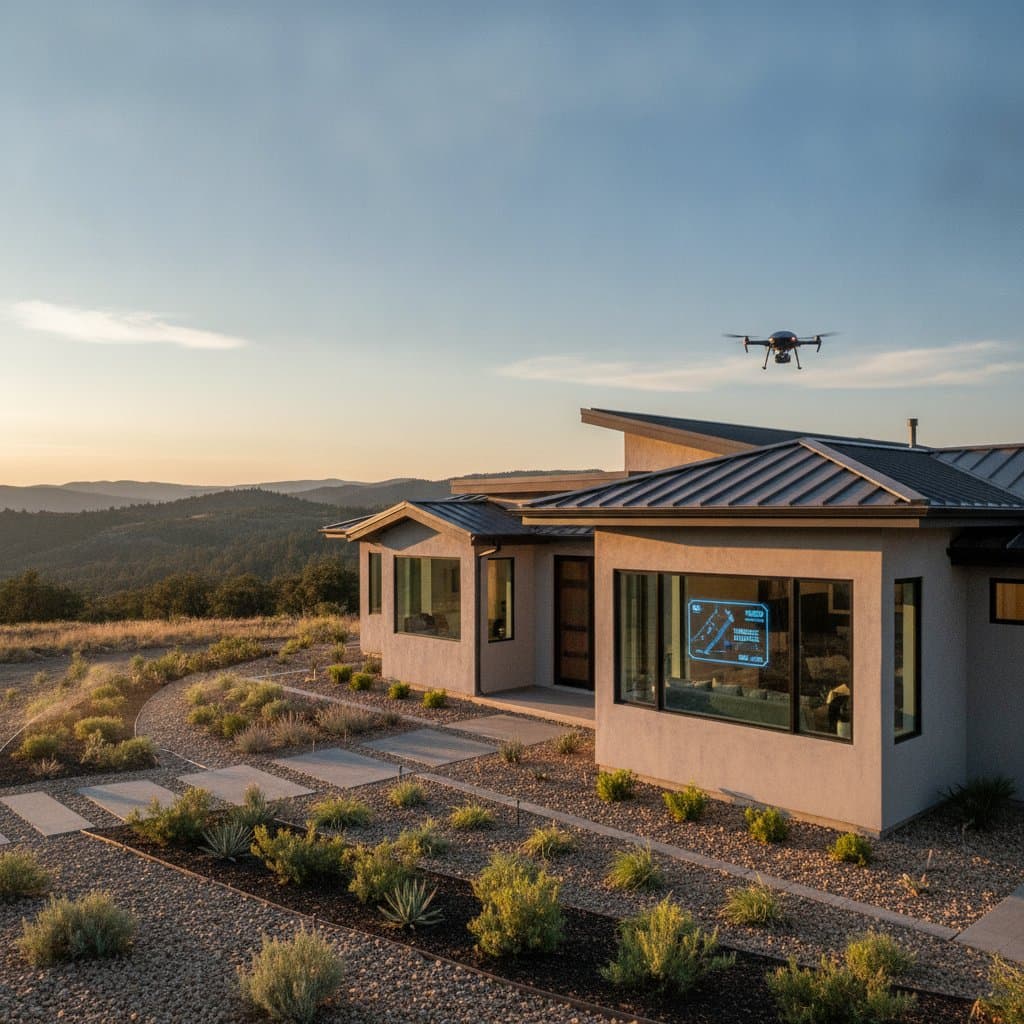
An AI and drone home inspection integrates computer vision, thermal imaging capabilities, and aerial photography to assess a property comprehensively. The process involves capturing images and sensor data, which the system then analyzes to identify issues such as structural wear, water leaks, surface cracks, or deficiencies in insulation. Warranty companies now recognize these digital reports as legitimate evidence for claims submission or policy renewals.
Artificial intelligence powers automated image recognition, which highlights potential defects with high precision. Drones, equipped with cameras and sensors, access elevated or inaccessible areas to gather visual data from unique perspectives. The combination yields a detailed, digital documentation of the home's current state, often surpassing the scope of ground-level surveys.
For instance, AI algorithms can process thousands of data points in minutes, flagging anomalies that might escape human observation during a brief walkthrough. This efficiency proves particularly valuable for large properties or those with complex architectures.
Indicators for Scheduling an AI or Drone Inspection
Certain conditions signal the appropriateness of an AI or drone inspection over traditional approaches. Homeowners should consider these scenarios to maximize the technology's advantages.
- Roof access presents safety hazards, such as steep slopes or fragile materials that risk collapse under foot traffic.
- Policy renewal demands verifiable evidence of the roof or exterior integrity to avoid coverage lapses.
- Recent storms or high winds raise concerns about concealed damage that requires prompt documentation.
- Insurance or warranty claims necessitate visual proof, yet manual inspector availability remains limited.
- Discrepancies arise in conventional inspection reports, overlooking evident patterns of deterioration.
These indicators demonstrate how digital methods deliver added value through precision and accessibility, extending beyond mere expediency.
Evaluating Costs and Influencing Factors
The national average cost for an AI or drone inspection ranges from 300 to 800 dollars, with a median expense of approximately 500 dollars. These figures reflect the blend of technology deployment and professional expertise involved.
Detailed Cost Breakdown
| Line Item | Typical Range (USD) | Notes and Variables |
|---|---|---|
| Basic drone exterior scan | 200–400 | Covers roof and siding imagery |
| Full AI-enhanced inspection | 400–700 | Incorporates data analysis and formal reporting |
| Thermal or moisture mapping | 100–200 | Optional enhancement for hidden issues |
| Report integration with warranty portal | 50–100 | Included by select providers |
| Travel or flight permit fees | 25–75 | Applies to rural locations or regulated areas |
Key Factors Affecting Pricing
Several elements influence the final cost of an inspection. Property dimensions and roof intricacy demand more flight time and data processing. Operator credentials, including licensing and insurance, vary by region and add to expenses. The caliber of thermal imaging equipment directly impacts detection accuracy and thus pricing. Additional considerations include data storage needs, customized report preparation, and prevailing local labor rates.
Strategies to Reduce Expenses
Homeowners can lower costs by aligning the inspection with their annual warranty renewal schedule. Numerous plans offer credits or discounts when the service supports preventive maintenance efforts. Selecting bundled packages that combine drone flights with AI analysis often yields better value than individual components.
Prioritizing Safety and Regulatory Compliance
Safety remains paramount in all drone operations. Operators must avoid proximity to power lines, chimneys, or public roadways to prevent accidents. Maintain constant visual line-of-sight during flights, and utilize protective eyewear when handling equipment launches or recoveries.
Regulatory and Permitting Guidelines
Local ordinances frequently impose restrictions on drone altitudes and operations near populated or sensitive zones. Consult municipal authorities prior to any flight to ensure adherence. For inspections endorsed by warranty providers, operators furnish evidence of flight insurance and professional certification to validate the report's reliability.
Limitations for Indoor Applications
Drones designed for outdoor use require caution indoors; specialized models suited for tight spaces are preferable. For attics, basements, or crawl spaces, opt for handheld cameras or robotic devices to navigate confined areas safely and effectively.
Navigating Regional Variations
Regional differences significantly shape the execution and outcomes of AI and drone inspections. Climate, building codes, and material types all play roles in optimizing these technologies.
Climate-Specific Adaptations
In cold regions, accumulated ice or snow may hinder clear roof visualization; plan inspections for temperate weather periods to ensure accurate readings. Hot and humid environments benefit from thermal imaging to uncover moisture trapped beneath roofing layers. Arid areas allow drones to identify sun-induced cracks in stucco or tile surfaces that ground inspections might miss. Coastal settings reveal salt-induced corrosion through AI-detected discoloration patterns. Mixed-humid climates necessitate combined visual and thermal assessments to detect mold or algae proliferation early.
Code, Permit, and Material Considerations
Urban settings typically enforce strict altitude limits and mandate clear flight corridors away from adjacent structures. Rural locales offer greater flexibility, though notifications to neighboring landowners may still apply. Reflective metal roofs or high-glare coatings can interfere with thermal sensors; request calibration adjustments from the operator to mitigate distortions.
Optimal Scheduling by Season
Schedule inspections during late spring or early autumn for optimal visibility across most areas. Steer clear of days with strong winds or precipitation, as these conditions compromise drone stability and compromise image quality.
Frequently Asked Questions
Does a drone inspection fully replace a traditional home inspection? No, it serves as a valuable supplement, enhancing exterior evaluations with aerial and digital perspectives to verify conditions more thoroughly.
Are drone inspections suitable for every roof type? Yes, provided certified operators adhere to safety protocols, including appropriate distancing and regulatory compliance.
Will incorporating AI coverage increase my warranty premiums? Generally, no; many providers bundle it within preventive maintenance options at no extra charge.
Can AI identify problems in plumbing or electrical systems? It detects them indirectly by noting moisture patterns or thermal irregularities that indicate potential leaks or circuit overloads.
Is special software required to access inspection reports? No, reports typically format as standard PDFs with integrated images, accessible via common viewers.
What follows if an AI report identifies a concern? A qualified inspector reviews the findings, enabling homeowners to arrange repairs prior to filing warranty claims.
How long do drone inspection results remain valid? They hold for up to twelve months or until significant structural modifications occur.
What privacy measures apply to drone imaging? Operators comply with local laws by avoiding captures of adjacent properties and securing data appropriately.
Safeguarding Your Property Through Technological Inspections
The adoption of digital inspection tools reshapes warranty validations for home conditions. AI and drones accelerate evaluations, bolster safety, and ensure consistency, yet they complement rather than replace expert human judgment. Homeowners gain from proactive monitoring of property health, strategic maintenance planning, and thorough documentation of upgrades. By maintaining up-to-date reports and collaborating with accredited specialists, individuals secure their investments and sustain robust warranty protections over the long term.