Appliance Subscriptions vs. Home Warranties: Costs, Coverage, and Smart Choices for Homeowners
Homeowners face the challenge of appliance breakdowns that disrupt daily life and strain budgets. Appliance subscription programs and home warranties emerge as two popular solutions to mitigate these issues. Each option provides peace of mind through predictable expenses, yet they differ significantly in structure, benefits, and long-term implications. This comparison equips you with the insights needed to select the approach that aligns with your financial situation, lifestyle preferences, and maintenance tolerance.
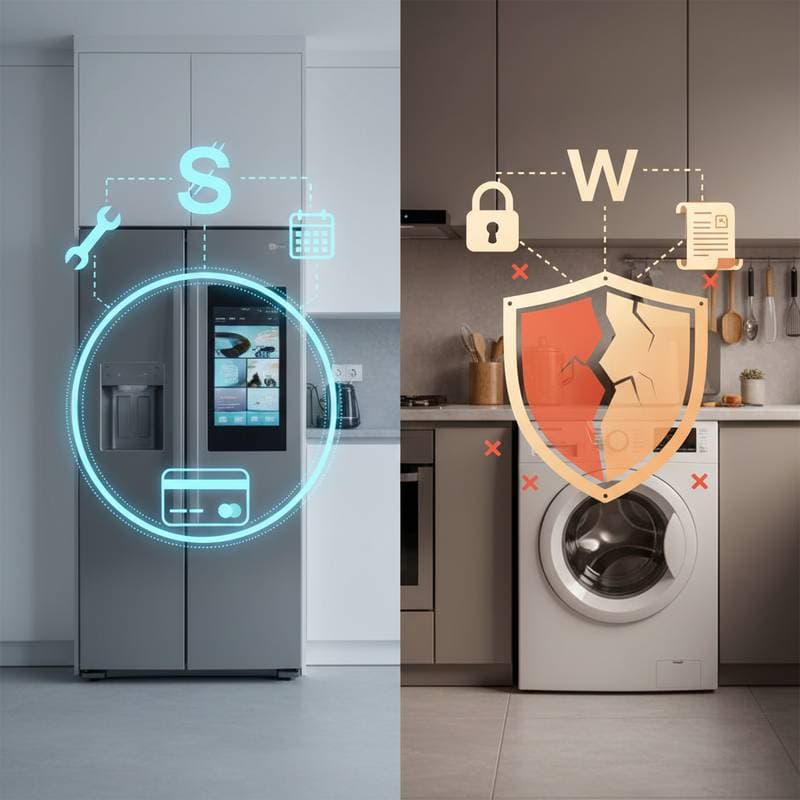
Appliance subscriptions function like a rental service, where providers supply, maintain, and replace units for a recurring fee. Home warranties, in contrast, serve as insurance policies that cover repairs or replacements for appliances you own. By examining ownership models, cost structures, and service processes, you gain clarity on which path reduces stress and expenses most effectively.
Essential Factors to Evaluate Before Deciding
Selecting between an appliance subscription and a home warranty requires careful assessment of your circumstances. Consider these core elements to inform your choice.
- Ownership Preferences: Determine if outright ownership appeals to you for building equity or if access to functional appliances without ownership responsibilities suits your needs better. Subscriptions eliminate ownership hassles, while warranties protect your existing investments.
- Initial and Ongoing Expenses: Evaluate your ability to cover a one-time purchase versus monthly payments that accumulate. Subscriptions avoid upfront costs but escalate over years, whereas warranties feature lower premiums with deductibles per claim.
- Extent of Protection: Assess whether you require coverage solely for kitchen and laundry appliances or broader inclusion of home systems such as electrical wiring, plumbing, and heating units. Home warranties often encompass multiple categories under a single policy.
- Response Times for Repairs: Prioritize providers based on how swiftly they dispatch technicians. Subscriptions typically integrate service directly with the provider for faster resolutions, while warranties depend on contracted networks that may vary in efficiency.
- Adaptability to Life Changes: Reflect on potential relocations or desires for technological upgrades. Subscriptions facilitate easy transitions and model swaps, but warranties tie coverage to your property and may not transfer seamlessly.
- Dependence on External Services: Gauge your comfort with coordinating repairs through third parties. Subscriptions streamline this process entirely, whereas warranties demand that you initiate claims and manage technician visits.
These factors ensure your decision supports both immediate needs and future plans.
Advantages and Drawbacks of Each Option
Both solutions address repair uncertainties, but their strengths and limitations influence suitability. Review the detailed pros and cons below to weigh trade-offs.
Appliance Subscriptions
Appliance subscriptions appeal to those seeking simplicity and modernity without capital outlay.
Advantages
- Eliminate substantial initial investments, allowing you to allocate funds elsewhere while enjoying fully operational appliances.
- Integrate comprehensive maintenance, repairs, and replacements into the monthly fee, ensuring uninterrupted use without additional surprise charges.
- Enable straightforward upgrades to advanced models as innovations emerge, keeping your home equipped with efficient technology.
- Remove the burden of scheduling and overseeing repairs, as the provider manages all logistics from diagnosis to resolution.
Drawbacks
- Prevent accumulation of ownership equity, meaning you forfeit asset value upon contract end or cancellation.
- Result in higher cumulative costs over extended periods, potentially exceeding purchase prices for equivalent owned units.
- Restrict selections to the provider's inventory, limiting access to preferred brands, sizes, or specialized features.
- Impose penalties for premature termination, including fees for equipment retrieval and administrative processing.
Home Warranties
Home warranties provide a safety net for owned appliances, emphasizing affordability and broad applicability.
Advantages
- Encompass a wide array of appliances and home systems within one affordable annual plan, simplifying protection across your property.
- Maintain lower recurring premiums compared to subscriptions, offering cost-effective coverage for infrequent repairs.
- Buffer against sudden financial burdens from breakdowns, capping out-of-pocket expenses through predefined limits.
- Enhance property appeal during sales, as transferable policies signal proactive maintenance to prospective buyers.
Drawbacks
- Require payment of service fees for each incident, which can accumulate if multiple issues arise in a year.
- Exclude coverage for pre-existing conditions, neglect, or improper installations, necessitating thorough pre-enrollment inspections.
- Involve potential delays in obtaining parts or scheduling certified technicians, extending downtime during failures.
- Limit replacement payouts to depreciated values or policy caps, often falling short of full costs for premium new models.
Step-by-Step Processes for Implementation
Understanding the operational workflows helps anticipate experiences with each option. Follow these sequences to initiate and utilize services effectively.
Setting Up an Appliance Subscription
- Research providers and select desired appliances, such as refrigerators, washers, or ovens, along with a contract duration typically ranging from one to five years.
- Review terms for fees, coverage details, and upgrade policies, then complete the subscription agreement and arrange for delivery.
- Coordinate installation by the provider's team, ensuring proper setup and initial testing to confirm functionality.
- Operate appliances routinely, performing only light cleaning as specified, and contact the provider immediately for any malfunctions.
- At term conclusion or upon upgrade request, schedule retrieval of old units and delivery of new ones, settling any outstanding balances.
This process emphasizes provider-led convenience from start to finish.
Enrolling in a Home Warranty
- Solicit quotes from multiple insurers, scrutinizing coverage schedules for included items, exclusions, and aggregate limits.
- Select a plan that matches your home's needs, execute the annual contract, and submit the first premium payment.
- Upon a breakdown, document the issue with photos or videos, then submit a claim via the provider's online portal or hotline.
- Accompany the arriving technician, pay the required service fee, and discuss findings to authorize necessary actions.
- Receive updates on repair progress or replacement approvals, adhering to any follow-up requirements like receipts for reimbursements.
Warranties demand more homeowner involvement but reward with tailored protections.
Preparation Essentials for Maintenance and Claims
Equipping yourself with the right tools streamlines interactions with either service. Subscriptions minimize preparation needs, focusing on basic upkeep.
For subscription users, maintain a kit with:
- Mild detergents and microfiber cloths for surface cleaning.
- Manufacturer-recommended filters for air and water systems.
- A logbook to track usage patterns and report issues promptly.
Warranty holders benefit from a more comprehensive set to facilitate self-diagnosis:
- Versatile screwdriver set for accessing panels and minor adjustments.
- Reliable flashlight for inspecting dark interiors or hidden components.
- Original appliance manuals for troubleshooting codes and specifications.
- Digital or printed copies of your warranty policy and claim identifiers.
- Compact vacuum or soft brush for clearing dust from coils and vents.
These items enable quick preliminary assessments, potentially resolving minor problems without professional intervention.
Adapting to Local Environmental Impacts
Appliance longevity varies by regional conditions, influencing the value of your chosen coverage. High-humidity zones, such as coastal regions, accelerate rust in washers and refrigerators, demanding robust anti-corrosion protections. Areas with hard water deposits necessitate frequent descaling for dishwashers and coffee makers.
In colder climates, frozen pipes strain water heaters, while extreme heat in arid locales burdens air conditioners and freezers. Opt for subscriptions with climate-resilient models or warranties that include preventive maintenance riders. Availability also factors in: urban subscription services thrive in populous cities, whereas warranties extend nationwide, including rural locales, for consistent access.
Tailoring your selection to these elements maximizes durability and minimizes claims.
Common Questions Answered
Can you combine a home warranty with an appliance subscription?
Yes, though overlap often proves redundant and costly. Most households opt for one based on appliance ownership status and age.
What occurs upon early cancellation of an appliance subscription?
You must return the appliances in good condition. Providers may assess fees for collection, restocking, or contract breaches, so examine termination clauses thoroughly.
Do home warranties guarantee repair quality?
Providers typically warrant parts and labor for 30 to 90 days post-service. Verify durations and conditions prior to technician approval.
Do appliance subscriptions feature energy-efficient appliances?
Many incorporate Energy Star-rated models to cut utility expenses. Inquire about specifications during selection to align with sustainability goals.
Does a home warranty address accidental damages?
No, policies focus on mechanical failures from normal use. Incidents like impacts or liquid spills fall outside standard coverage.
Selecting Coverage That Safeguards Your Lifestyle
Appliance subscriptions and home warranties both transfer maintenance risks for reliable payments, yet the optimal fit hinges on your residency duration, hands-on aptitude, and priorities between possession and ease. Subscriptions excel for transient or tech-savvy individuals valuing seamless updates, while warranties suit settled owners seeking economical safeguards for diverse assets.
Project total expenses over three to five years, factoring in usage frequency and local repair averages. Consult recent customer feedback on provider responsiveness and claim approvals. This thorough evaluation secures a solution that enhances home efficiency without unforeseen drawbacks.