Uncovering Pre-Existing Condition Clauses in Home Warranties
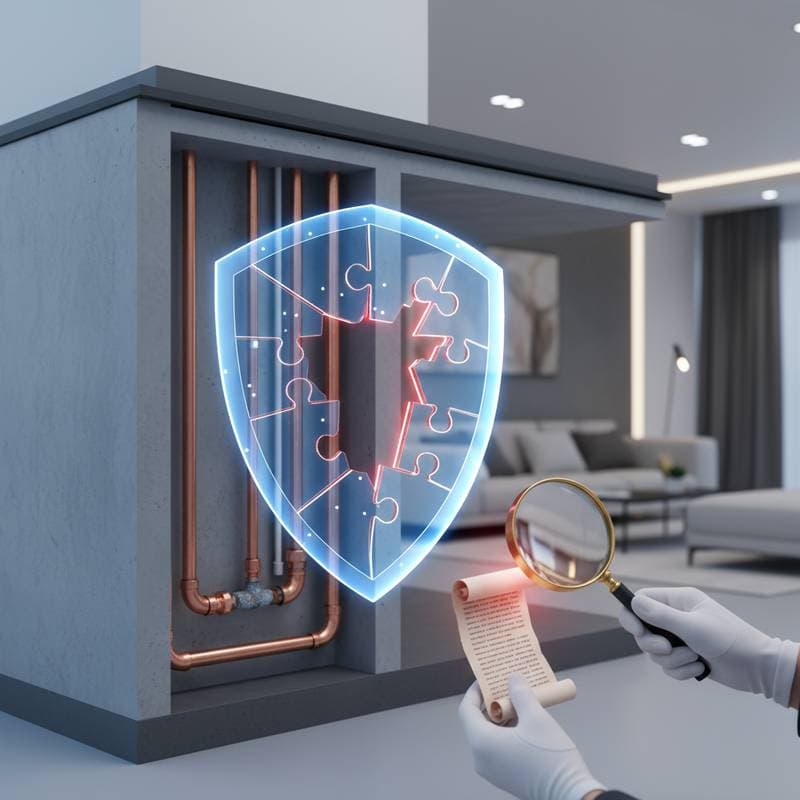
Home warranties appear to provide reliable protection for essential systems and appliances, but exclusions in the contract terms often lead to out-of-pocket expenses. Pre-existing condition clauses represent one of the primary mechanisms for denying coverage. These provisions exclude repairs or replacements for issues that existed prior to the policy's effective date or the home inspection. This section outlines the operation of these clauses, identification methods, financial implications, and strategies to safeguard claims during critical moments.
The Purpose Behind Pre-Existing Condition Exclusions
Home warranty providers implement pre-existing condition exclusions to manage financial risks effectively. Without such measures, individuals might purchase coverage immediately following a system failure and anticipate complete reimbursement. To mitigate this possibility, companies incorporate waiting periods, typically ranging from 30 to 90 days, and mandate comprehensive inspections. These practices support the long-term viability of the warranty model while potentially catching homeowners off guard who assume immediate, full protection upon enrollment.
Inspections serve as a baseline to document the condition of covered items. Any evidence of prior damage, wear, or malfunction noted during this process falls under the exclusion. Providers review these reports alongside claim submissions to determine eligibility, emphasizing the importance of thorough initial assessments by qualified professionals.
Analyzing Costs and Coverage Boundaries
Home warranty expenses vary based on plan type, location, and home characteristics. The following table presents standard pricing structures:
| Scope Item | Material or Plan Cost Range | Labor or Service Fee Range | Total Annual Range | Notes on Drivers |
|---|---|---|---|---|
| Basic plan (appliances only) | $350 to $550 | $60 to $100 per call | $410 to $650 | Includes coverage for washer, dryer, refrigerator, and oven; excludes routine maintenance |
| Systems plan (HVAC, plumbing, electrical) | $450 to $750 | $60 to $125 per call | $510 to $875 | Omits pre-existing defects and costs for code compliance upgrades |
| Combo plan | $600 to $950 | $75 to $125 per call | $675 to $1,075 | Combines appliances and systems; features per-item payout limits, often $500 to $1,500 |
| Add-on coverage (pool, spa, well pump) | $100 to $250 each | $60 to $100 per call | $160 to $350 | Frequently rejected for evidence of prior leaks, rust, or structural wear |
Several elements influence these costs. The age and quality of covered systems play a significant role, as older components increase replacement likelihood. Regional differences in contractor availability and labor rates also contribute to variations. High claim volumes or frequent service requests can prompt providers to adjust premiums or impose stricter exclusions in subsequent renewals. Homeowners with properties lacking recent inspection documentation face elevated denial risks, particularly in aging structures.
Compliance with Safety Standards, Permits, and Building Codes
Home warranties do not encompass obligations related to building code adherence. Repairs necessitating upgrades to meet contemporary standards often fall outside standard coverage. Certain policies include optional riders for code upgrades, though these typically cap reimbursements at modest amounts, such as $250 per incident. Before acquiring a warranty, confirm that electrical, plumbing, and ventilation systems align with local regulations to avoid complications.
Essential safety considerations include the following:
- Electrical panels require adequate amperage capacity and ground fault circuit interrupter (GFCI) outlets in wet areas.
- HVAC units need readily accessible emergency shutoff switches and unobstructed condensate drainage lines.
- Gas-powered appliances demand secure, leak-proof connections and sufficient ventilation to prevent carbon monoxide buildup.
Repairs performed without required permits may invalidate warranty provisions and manufacturer guarantees alike. Maintain detailed records, including inspection summaries, permit approvals, and service invoices, as providers routinely request them during claim evaluations. This documentation strengthens positions against potential denials.
Establishing a Maintenance Routine to Preserve Coverage
Consistent upkeep enhances eligibility for warranty claims by demonstrating proactive care. Adhere to the schedule outlined below:
| System | Post-Installation Check | Seasonal Maintenance | Annual Professional Service | Expected Lifespan |
|---|---|---|---|---|
| HVAC | Verify insulation on refrigerant lines | Replace air filters and clear drainage paths | Conduct full system tune-up | 12 to 15 years |
| Water Heater | Flush sediment from tank | Inspect temperature and pressure relief valve | Examine anode rod and tank for corrosion | 8 to 12 years |
| Plumbing | Examine exposed pipe joints for security | Operate shutoff valves to ensure functionality | Detect and address slow leaks or pressure issues | Varies; replace galvanized lines after 50 years |
| Electrical | Test all GFCI receptacles | Secure connections in main panel | Hire electrician for comprehensive review | Panels last 25 to 40 years |
Retain receipts and logs for every maintenance activity. Warranty administrators frequently condition claim approvals on evidence of regular servicing, viewing neglect as a contributing factor to failures. Integrating these habits not only supports coverage but also extends equipment longevity, reducing overall homeownership costs.
Strategies for Challenging a Denied Claim
Upon receiving a denial based on a pre-existing condition, respond promptly within the provider's appeal timeframe, often 30 to 60 days. Follow these structured steps:
- Obtain a detailed written explanation of the denial, including the specific contract clause invoked.
- Compile supporting materials such as pre-policy inspection reports, maintenance records, and independent technician assessments.
- File a formal appeal letter, citing relevant policy sections and attaching all evidence.
- If the provider declines reconsideration, contact your state's consumer protection agency for mediation assistance.
- For disputes below the coverage limit, pursue resolution through small claims court, where legal representation proves unnecessary.
Maintain a professional, evidence-based approach in communications. A substantial portion of initial denials overturn upon presentation of comprehensive documentation, underscoring the value of meticulous record-keeping from the outset.
Framework for Evaluating Cost Variations
To assess warranty value across providers, apply this three-factor analysis:
- Materials Quality: Premium, energy-efficient components command higher replacement costs, yet warranties reimburse only for standard-grade equivalents, potentially leaving gaps.
- Labor Demands: Intricate installations, such as those in confined crawlspaces or multi-story configurations, escalate service fees beyond basic rates.
- Property-Specific Challenges: Restricted access in compact utility areas, attic-mounted units, or concrete slab foundations prolong repair times and inflate expenses.
This framework enables informed comparisons of quotes, ensuring alignment with actual home needs and budget constraints.
Pre-Purchase Preparation Checklist
Prepare thoroughly to identify potential pre-existing issues:
Essential Tools:
- Flashlight for inspecting dark areas like attics and basements.
- Smartphone or camera to photograph system conditions and serial numbers.
- Simple tools, including a voltage tester for outlets and a wrench for valve checks.
Necessary Knowledge:
- Ability to interpret home inspection reports for noted deficiencies.
- Familiarity with basic operations of major systems, such as HVAC cycles or plumbing pressures.
Conduct a walkthrough inspection, testing functionality where safe, and note any irregularities for professional follow-up.
Securing Reliable Home Protection
By understanding pre-existing condition clauses and integrating preventive measures, homeowners position themselves for effective warranty utilization. Prioritize detailed policy reviews, consistent maintenance, and robust documentation to minimize denials and maximize benefits. This proactive approach transforms warranties from potential liabilities into valuable assets, fostering long-term financial security and peace of mind for your living space.