- Installing 240-volt wiring or new outlets.
- Adjusting plumbing or gas lines.
- Embedding units into custom cabinetry.
- Troubleshooting AI sensors or modules with diagnostic equipment.
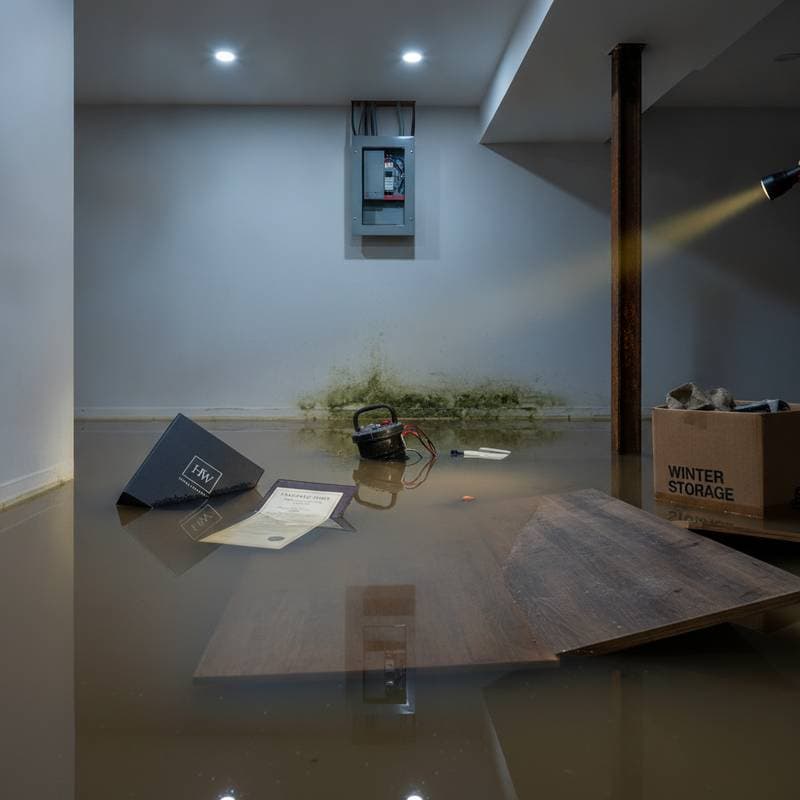
Potential hazards include electrical shocks, leaks, or gas exposure; always isolate utilities before work. Non-compliance with codes risks safety and invalidates protections. Improper DIY efforts can nullify warranties if damage occurs during assembly; document all steps with photos and retain guides.
Strategies to Minimize Expenses
Opt for appliances with accessible, replaceable circuit boards over proprietary sealed AI components to simplify future repairs. Avoid redundant extended plans that overlap with standard manufacturer offerings. Prioritize models supporting offline basic functions to maintain utility without constant connectivity.
Preparation streamlines processes:
- Measure precise dimensions for delivery fit.
- Verify voltage compatibility and utility hookups in advance.
- Refresh router software to avoid integration delays.
Timing purchases during off-peak retail cycles reduces costs. Coordinating multiple installations in one visit cuts repeated service charges.
Essential Quote Evaluation:
- Confirm itemized scopes and material specifications.
- Verify inclusion of preparation, cleanup, permits, and disposal.
- Review warranty details, timelines, and payment tied to completion stages.
Inquire about policies on AI faults; some providers omit software coverage, while others limit payouts for networked elements.
Emerging Trends in AI Warranties
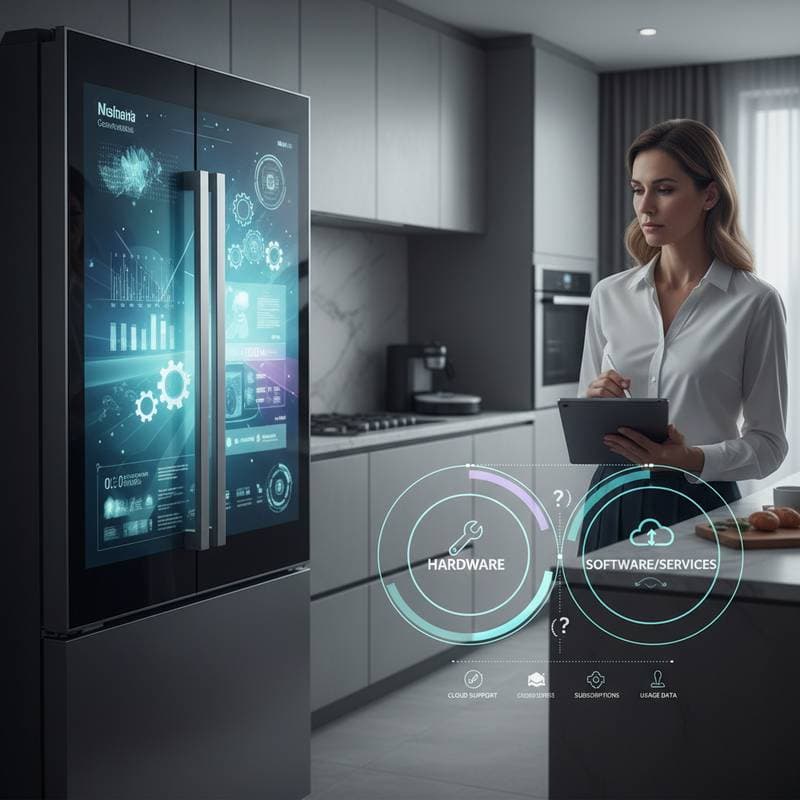
Industry leaders experiment with tiered models separating hardware safeguards from digital assurances. Traditional coverage applies to tangible parts like compressors and circuits. Software layers resemble service contracts, ensuring patches and security for defined periods.
Data-driven extensions gain traction, leveraging AI-monitored usage patterns. Low-utilization without detected abuses might prolong terms automatically. Conversely, frequent overloads or unaddressed alerts could accelerate expiration.
Consumers must scrutinize contract nuances. Conditions mandating active service for connected operations signal that cloud features lie outside standard protections. Server decommissioning may leave hardware functional yet features impaired, without recourse.
Professional Setup for Connected Devices
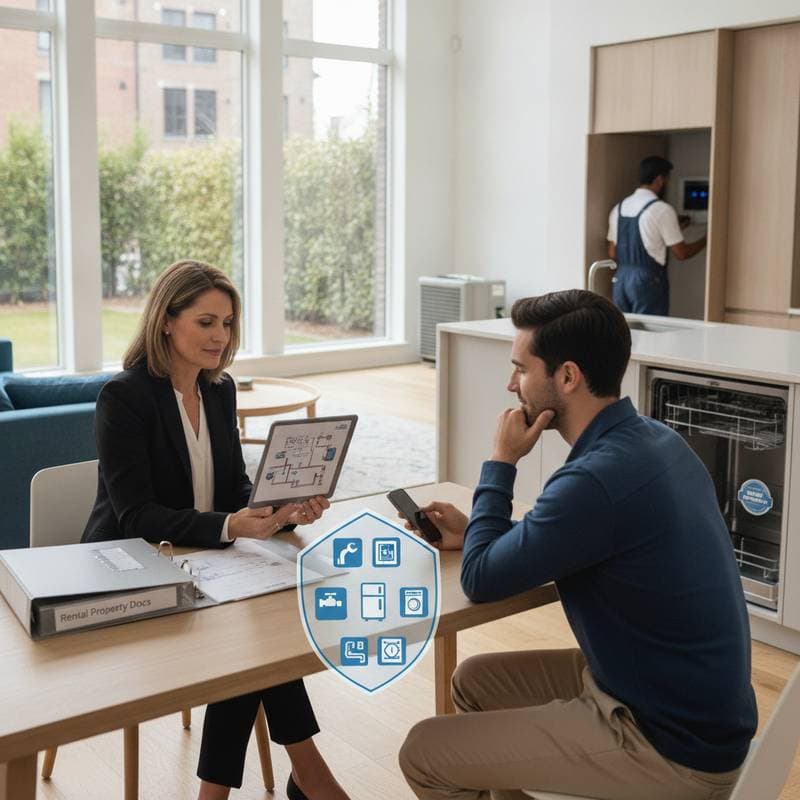
Engage technicians versed in electrical standards and smart integrations for optimal results. They confirm utility alignments, secure Wi-Fi pairings, calibrate sensors, and test remote functionalities. Product registration during setup activates full warranty benefits.
Request demonstrations of diagnostic runs, update procedures, and network resets. Maintain a reference guide with these instructions for ongoing reference.
Project Timeline Considerations
Premium AI units face supply constraints from component shortages, extending lead times; plan orders ahead for comprehensive remodels.
On-site work typically spans one to two hours per appliance, excluding structural alterations.
Inspections may involve electricians for circuit validations or plumbers for drain verifications in modified setups.
Ongoing Maintenance and Durability
Establish routines:
- Conduct app-based diagnostics monthly.
- Clean sensors and lenses gently.
- Swap filters as recommended.
Watch for indicators:
- Intermittent connections point to network or update problems.
- Persistent codes suggest sensor misalignments.
- Update interruptions may herald discontinued support.
Evaluate repairs against replacements when costs surpass 50 percent of original value or digital backing lapses. Select versatile models allowing manual overrides for sustained usability.
Securing Long-Term Value in Smart Homes
By understanding warranty evolutions and prioritizing compatible installations, homeowners position AI appliances as reliable assets. This approach balances innovation with protection, ensuring technology enhances rather than complicates living spaces. Invest time in informed choices to maximize efficiency and peace of mind.