Prefab Home Costs 2026: A Comprehensive Price Per Square Foot Breakdown
Prefab homes blend factory precision with site assembly to create efficient living spaces. However, the advertised price per square foot often represents just the starting point. Homeowners benefit from examining base costs alongside delivery, installation, and additional site requirements to form a complete budget picture.
This analysis details each expense layer, drawing on current industry trends for 2026. By separating factory elements from on-site needs, individuals can make informed decisions that align construction efficiency with financial realities.
Core Elements of the Base Price
The base price for prefab homes typically ranges from $100 to $150 per square foot and covers the factory-manufactured modules, including structural framing, exterior walls, roofing, and basic interior finishes such as drywall and standard windows. This figure assumes a straightforward design without extensive custom features like vaulted ceilings or premium insulation.
Geographic factors influence these costs; for instance, homes destined for urban areas may incur higher material expenses due to compliance with stricter building codes. Builders often provide initial quotes based on modular size and layout, but these exclude any transportation or assembly steps.
To evaluate a quote effectively, request an itemized list that specifies included components, such as electrical wiring up to the module's exterior or plumbing rough-ins. This transparency helps identify gaps early and prevents underestimating the full investment.
Breaking Down Additional Expenses
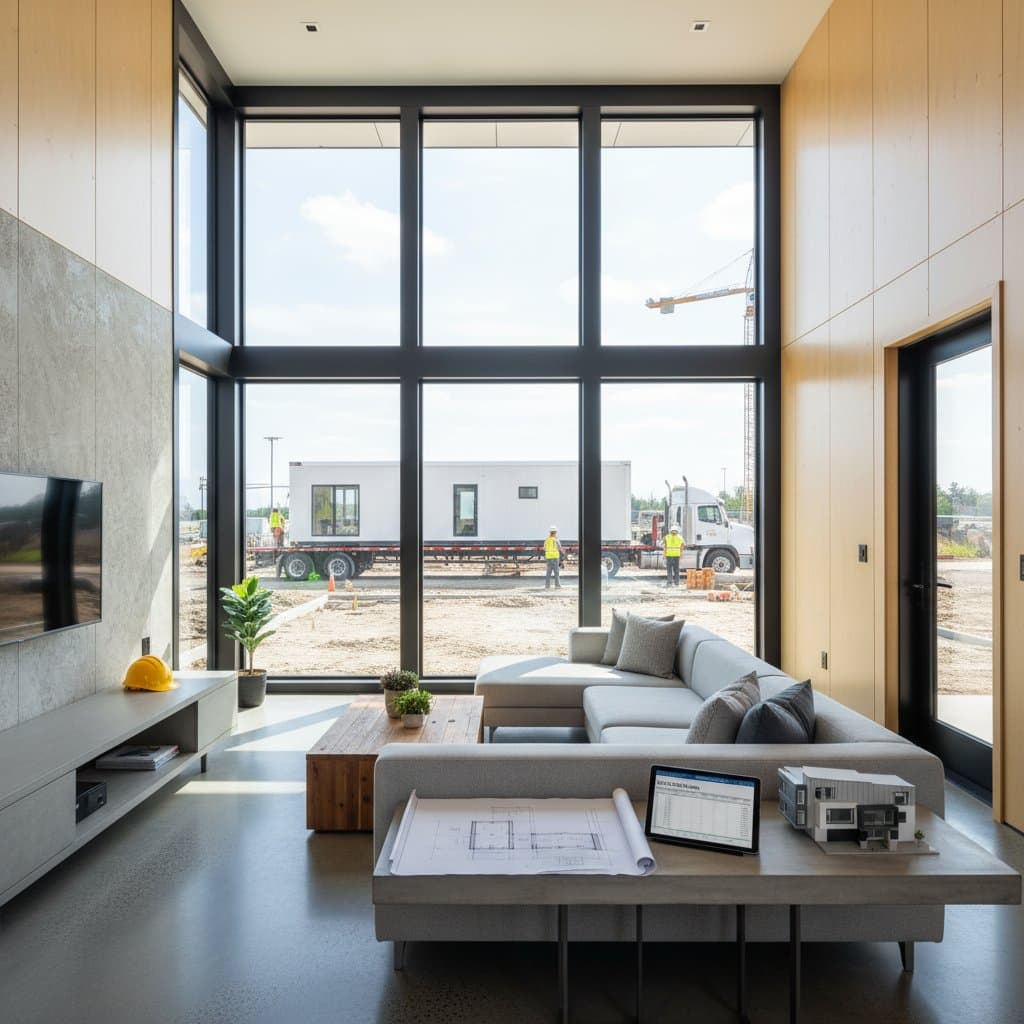
Beyond the factory build, several costs contribute to the overall price per square foot. Delivery and setup fees, for example, range from $15 to $25 per square foot and encompass transporting modules via specialized trucks and using cranes for precise placement on the foundation.
Site preparation adds another $10 to $30 per square foot, covering land grading, pouring concrete foundations, and connecting utilities like water, sewer, and electricity. These steps vary widely based on soil conditions and local regulations; rocky terrain might require extra excavation, pushing expenses higher.
Finishing touches and upgrades account for $25 to $50 per square foot, including installing flooring, cabinetry, countertops, and appliances. Opting for energy-efficient options, such as solar-ready wiring or low-VOC paints, can increase this but yield long-term savings on utility bills.
The following table summarizes these components for a clearer overview:
| Cost Component | Estimated Range per Sq Ft | Key Inclusions and Variables |
|---|---|---|
| Base Factory Build | $100 to $150 | Modules, framing, basic finishes; varies by design |
| Delivery and Setup | $15 to $25 | Transport, crane work; distance and access affect cost |
| Site Preparation | $10 to $30 | Grading, foundation, utilities; soil and codes impact |
| Finishing and Upgrades | $25 to $50 | Interiors, customizations; material quality influences |
| Total Estimated | $150 to $255 | Before land, permits, or financing; regional adjustments apply |
These estimates reflect 2026 averages for standard single-story models around 1,500 square feet. Larger or multi-story designs may shift ranges upward due to engineering complexities.
Navigating Financing and Long-Term Costs
Financing prefab homes differs from traditional builds, as many lenders classify them under construction loans with draw schedules tied to production milestones. Expect interest to accrue during the factory phase, potentially adding 5 to 10 percent to the total if delays occur.
Permitting fees, typically $5,000 to $15,000 regardless of size, and inspections at $500 to $2,000 per visit, further impact the budget. Build in a 10 to 15 percent contingency for unforeseen issues like weather disruptions or material price fluctuations.
Over time, consider depreciation rates, which for prefab structures often mirror site-built homes at 2 to 3 percent annually, and warranty options. Basic coverage might last 10 years on the structure, but extended plans for systems like HVAC could cost an additional $2,000 to $5,000 upfront.
Key Contract Considerations
Review contracts meticulously to uncover exclusions that could inflate costs. Many limit delivery to within 100 miles of the factory, charging $5 to $10 per mile beyond that threshold. Weather delays might extend timelines without compensation, while change orders for mid-project modifications often carry 20 to 30 percent markups.
Builders frequently omit foundation pouring or utility hookups, requiring separate subcontractor hires. This separation demands strong project management to avoid overlaps or gaps in responsibility.
Clarify liability clauses; for example, who covers repairs if delivery damages landscaping? Insist on a comprehensive scope document outlining responsibilities, timelines, and penalties for non-compliance to protect your interests.
Steps to Verify Quality and Secure Value
Select reputable builders by confirming state licensing, adherence to International Residential Code standards, and implementation of quality checks like third-party module inspections. Visit operational factories if possible to observe assembly processes firsthand.
Gather references from recent clients and examine completed homes for durability indicators, such as seam integrity in modular joints or resistance to settling. Engage an independent engineer during key phases, like foundation pouring and module craning, to spot defects early and minimize rework expenses.
Maintain detailed records, including photos, invoices, and correspondence, to support warranty activations or resale appraisals. This documentation not only ensures accountability but also enhances the home's marketability.
Strategies for Informed Prefab Purchases
Approach prefab home buying as a multifaceted project by obtaining quotes from at least three builders, each providing full breakdowns. Compare not just prices but also timelines, warranty terms, and customization flexibility to find the best fit.
Consult local experts, such as real estate attorneys or modular specialists, to tailor the plan to your site's unique needs. Factor in energy modeling to predict operational costs, ensuring the initial savings endure through efficient design choices.
Ultimately, thorough preparation transforms prefab potential into tangible benefits, delivering a high-quality home within budget constraints.