AI-Powered Maintenance: Home Warranty Coverage in 2026
Summary Box
What it is:
AI-powered maintenance employs smart sensors and predictive analytics to monitor home systems continuously. These tools detect potential failures early by analyzing performance data in real time.
Why it matters:
This approach lowers repair expenses, minimizes structural damage, and enables warranty providers to act swiftly using reliable, data-backed insights. Homeowners experience fewer disruptions and enhanced system reliability.
Typical cost and what changes it:
Subscriptions for smart monitoring services range from $20 to $60 monthly. Comprehensive AI-integrated home warranty plans vary from $600 to $1,200 annually, influenced by coverage scope, home size, and additional features like multi-system integration.
When to hire a pro:
Engage licensed technicians for any electrical, plumbing, or HVAC interventions triggered by sensor alerts. Professional oversight ensures compliance with safety standards and warranty validity.
How long it takes:
Installation of most systems completes in one day. Live monitoring becomes operational within hours after setup and initial calibration.
Maintenance interval:
Sensors maintain functionality for five to ten years. Software receives updates every few months to refine predictive accuracy.
Anatomy of an AI Home Warranty System
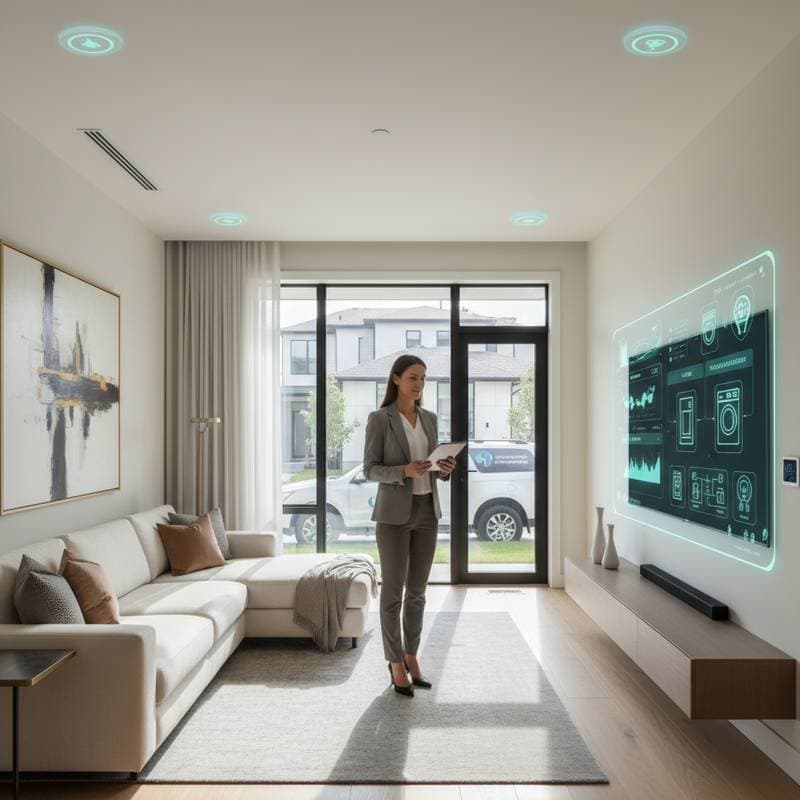
A complete AI home warranty system integrates multiple components for seamless operation. Each element contributes to proactive monitoring and response.
- Smart sensors: These devices track metrics such as temperature fluctuations, vibration patterns, energy consumption, and water flow rates in critical areas like appliances and plumbing.
- Hub or gateway: This central unit links sensors to a cloud-based platform or local network, ensuring secure data transmission.
- Machine learning software: Advanced algorithms process historical and real-time data to forecast potential breakdowns based on usage trends and environmental factors.
- Warranty dashboard: Accessible via mobile app or web interface, it provides real-time alerts, service logs, and detailed coverage information for easy management.
- Connected contractor network: Warranty providers maintain partnerships with certified technicians who receive automated dispatches, complete with diagnostic data for efficient repairs.
Together, these components create a robust network that identifies vulnerabilities ahead of time. This setup not only safeguards homeowner investments but also streamlines operations for service providers, often reducing overall claim volumes by up to 30 percent through early intervention.
How It Works
The process begins with targeted installation and evolves into ongoing vigilance. Homeowners benefit from a structured cycle that prioritizes prevention over reaction.
- Install sensors: Certified technicians position sensors on essential systems, including furnaces, water heaters, refrigerators, and washing machines. Placement follows manufacturer guidelines to optimize data accuracy without compromising aesthetics.
- Connect to an app: Users pair the devices with a secure digital platform. This integration allows direct communication between the home system and the warranty provider's backend.
- Monitor and learn: Over the first few weeks, the AI establishes baselines by observing normal operational patterns. It accounts for variables like household size and seasonal changes to build a personalized profile.
- Predict and alert: Deviations from established norms trigger notifications. For instance, unusual vibrations in a dryer motor might signal impending wear, prompting an immediate advisory.
- Dispatch service: The warranty team reviews the alert data for validation. A qualified contractor then schedules a visit, often resolving issues before they escalate into full failures.
This continuous feedback loop maintains optimal performance across home systems. Regular analysis refines predictions, adapting to evolving conditions like aging infrastructure or usage shifts.
DIY vs Pro Installation
Homeowners must weigh options based on technical comfort and system complexity. The table below compares key aspects to guide decisions.
| Category | DIY | Pro |
|---|---|---|
| Skill level | Moderate; requires basic tech familiarity | Expert; demands licensed trade expertise |
| Safety risk | Low for surface-mounted sensors | Elevated for systems involving electricity or gas |
| Tools required | Smartphone app, drill, ladder | Specialized meters, diagnostic testers, protective equipment |
| Permit or code | Seldom required | Frequently mandatory for integrated wiring |
| Time required | 2 to 4 hours for basic setups | Full day for comprehensive installations |
| Warranty impact | Acceptable if original system remains undisturbed | Essential to preserve full coverage terms |
Opt for DIY with simple, plug-and-play sensors in low-risk areas. For installations involving hardwired connections or gas lines, professional services prevent voids in warranty protection and ensure long-term reliability.
Maintenance and Lifespan
Routine care extends the system's effectiveness and longevity. Homeowners play an active role in sustaining performance.
Wipe sensor surfaces annually to remove dust or residue that could affect readings. Monitor battery indicators through the app and replace units as needed, typically every two to three years for wireless models.
Recalibrate or replace sensors every five to ten years, depending on environmental exposure. Enable automatic software updates to incorporate the latest algorithmic improvements, which enhance failure prediction by analyzing broader datasets.
Sync physical warranty documents with the digital dashboard for effortless claims processing. This practice avoids delays during service requests and maintains a complete audit trail of system health.
Regional Factors
Local conditions influence system design and maintenance needs. Tailoring setups to specific environments maximizes benefits.
Climate considerations:
In cold regions, prioritize water leak detectors near exposed pipes to prevent freezing damage. Humid, hot areas require enhanced airflow sensors and condensate traps for air conditioning units to avoid mold growth. Arid zones benefit from dust accumulation monitors to shield motor components from wear.
Code or permit notes:
Certain municipalities mandate inspections for internet-connected electrical devices. Verify local building codes before installation to avoid fines or compliance issues.
Glossary
- Predictive Analytics: Data-driven methods that forecast future events based on historical patterns.
- Machine Learning: A subset of AI where systems improve performance through experience without explicit programming.
- IoT Hub: A device that facilitates communication between internet-connected appliances and central control systems.
Maximizing Benefits from AI Home Warranties
Adopting AI-powered warranties shifts home care from reactive fixes to strategic foresight. Homeowners save on unexpected repairs while enjoying uninterrupted comfort. Providers deliver value through precision, fostering trust and loyalty. Explore customized plans today to integrate this technology into your routine, securing a resilient home for years ahead.