Understanding Modular ADUs and the $200,000 Investment
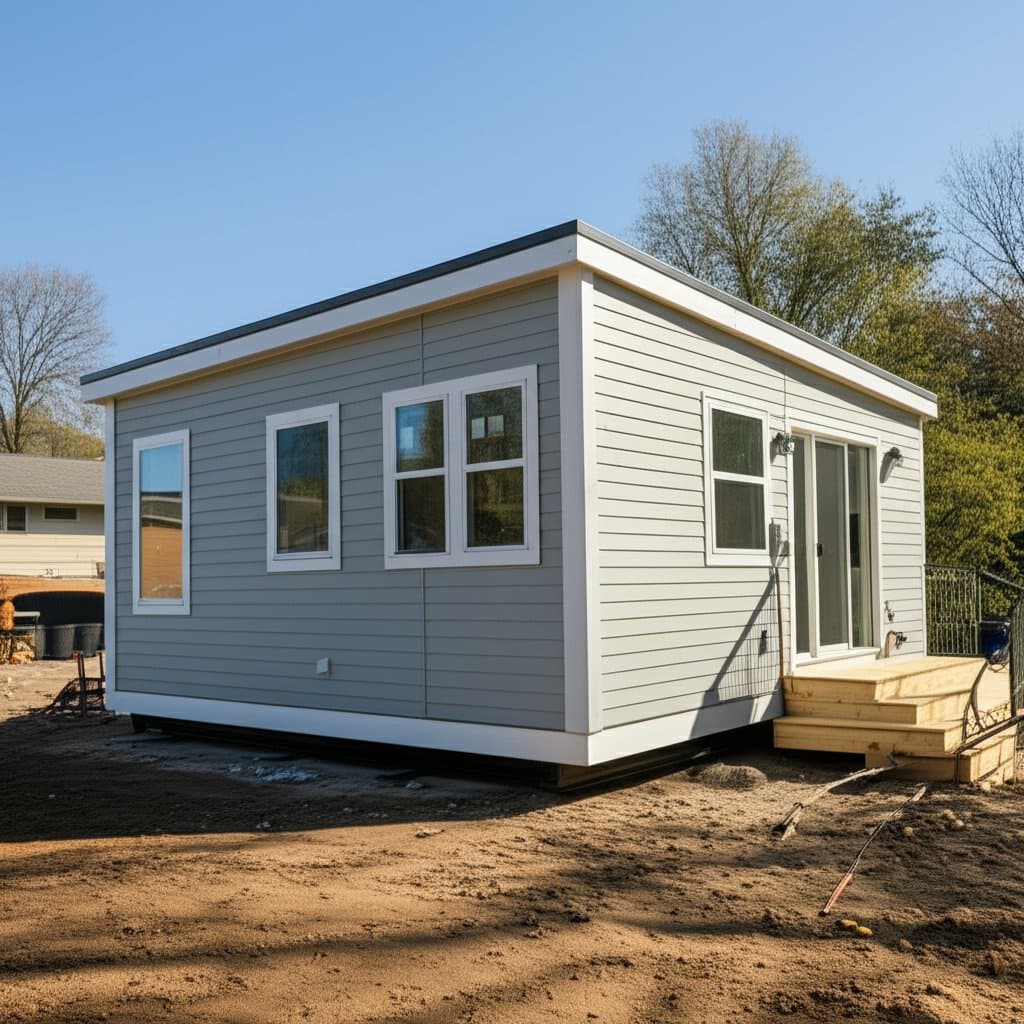
Modular accessory dwelling units (ADUs) represent a practical solution for homeowners seeking additional living space. These factory-built structures arrive on-site nearly complete, offering efficiency over traditional construction. In 2025, a full modular ADU installation typically ranges from $150,000 to $250,000, with $200,000 serving as a common midpoint for a standard 600- to 800-square-foot unit. This budget covers design, manufacturing, delivery, foundation work, utilities, and finishing touches, but site-specific variables can shift costs.
Homeowners often underestimate the full scope of expenses beyond the base price. Factory production ensures quality control and reduces on-site labor, yet integration with the property demands careful planning. This guide breaks down what $200,000 truly encompasses, highlighting key components and strategies to optimize your investment.
Core Components of a $200,000 Modular ADU Project
A modular ADU project divides into distinct phases, each contributing to the total cost. The factory phase accounts for 40 to 50 percent of the budget, focusing on prefabrication. Site preparation and installation follow, comprising the remainder.
Factory Build and Customization
The manufacturing process begins with design consultations. Architects and engineers collaborate to create blueprints compliant with local codes. For $200,000, expect a two-bedroom unit with modern insulation, energy-efficient windows, and basic appliances.
Materials selection influences pricing significantly. Standard options include durable steel framing and composite siding, keeping costs under control. Upgrades such as solar panels or premium flooring can add $10,000 to $20,000. Delivery to the site, often via flatbed trucks, incurs fees based on distance—typically $5,000 to $15,000 for regional transport.
Quality assurance in the factory minimizes defects. Modules undergo rigorous testing for structural integrity before shipment. This step ensures the ADU withstands transport and assembly stresses.
Foundation and Site Preparation
Site work forms the foundation—literally—of your project. A concrete slab or pier foundation costs $20,000 to $40,000, depending on soil conditions and unit size. Engineers assess the ground for stability, recommending reinforcements if needed.
Preparation tasks include clearing vegetation and verifying setbacks from property lines. Locate underground utilities to avoid disruptions. These steps prevent delays and additional expenses, such as utility relocation fees that could exceed $5,000.
Weather plays a critical role. Schedule foundation pouring during dry seasons to ensure proper curing. Rainy conditions might extend timelines by weeks, increasing labor costs.
Permits, Utilities, and Compliance Costs
Navigating regulations adds layers to the budget. Building permits average $2,000 to $5,000, while electrical and plumbing approvals contribute another $1,000 to $3,000 each. Local jurisdictions vary; coastal areas often impose stricter seismic or flood requirements.
Utility connections demand professional installation. Hookup to the main home's electrical grid, water lines, and sewer system totals $10,000 to $25,000. If septic or well systems are necessary, costs rise accordingly.
Hire licensed contractors for these phases. Verify their experience with modular projects to ensure seamless integration. Non-compliance risks fines or rework, eroding your budget.
Installation and Finishing Details
On-site assembly takes one to two weeks for modular ADUs. Cranes lift modules into place, a process costing $15,000 to $30,000. Skilled teams secure connections and seal joints against weather.
Interior finishing includes painting, cabinetry, and flooring installation. Exterior work covers siding attachment and landscaping integration. Allocate $20,000 to $40,000 for these elements to achieve a polished look.
Safety remains paramount during installation. Workers don gloves, goggles, and hard hats. Homeowners should maintain a clear perimeter to facilitate equipment movement.
Factors Influencing Your Total Cost
Several variables determine if $200,000 suffices or requires adjustment. Location impacts everything from labor rates to material availability. Urban areas command higher prices due to access challenges.
Unit size and features scale expenses linearly. A basic studio might fit under $150,000, while a larger unit with accessibility modifications approaches $250,000.
Site constraints, such as sloped terrain or protected trees, necessitate custom engineering. These adjustments can add 10 to 20 percent to the base price.
Market fluctuations in 2025, including supply chain issues for lumber or steel, may affect quotes. Obtain multiple bids to compare and negotiate.
Planning Your Modular ADU Project Step by Step
Effective planning transforms a complex project into a manageable endeavor. Begin with zoning research. Contact your local planning department to confirm ADU allowances and setback requirements.
Next, assemble your team. Engage a modular specialist firm for design and build. Secure general contractors for site work. Request at least three detailed bids outlining delivery, foundation, and utility phases.
Develop a line-item budget. Track expenses against milestones, such as factory completion or foundation pour. This approach maintains transparency and prevents overruns.
Timeline management proves essential. From initial consultation to occupancy, expect four to six months. Factor in permit processing times, which vary by locality.
Budget for contingencies. Reserve 10 to 15 percent of your total for unforeseen issues, like soil remediation or code changes.
Essential Preparation Checklist
- Confirm zoning compliance and setback distances early.
- Clear site vegetation and mark utility locations.
- Obtain building, electrical, and plumbing permits.
- Schedule work outside rainy seasons for optimal conditions.
- Gather safety gear including gloves, goggles, and hard hats for on-site oversight.
- Secure detailed bids with milestone payment schedules.
Timeline Essentials for Smooth Execution
Modular construction accelerates the process compared to stick-built homes. Factory production spans six to eight weeks, allowing parallel site preparation.
Delivery and assembly follow swiftly. Coordinate truck access and crane setup in advance. Post-installation inspections ensure code adherence before final occupancy.
Delays often stem from permitting bottlenecks or weather interruptions. Proactive scheduling mitigates these risks, delivering your ADU on time.
Budgeting Tips to Maximize Value
To stretch $200,000 effectively, prioritize energy-efficient features. These reduce long-term utility bills and may qualify for rebates.
Compare financing options. Home equity loans or construction financing suit many projects. Factor in potential rental income from the ADU to offset costs.
Select versatile designs. Opt for open layouts that adapt to future needs, whether guest quarters or home office space.
Regular communication with your contractor keeps the project aligned. Weekly updates via reports or site visits foster accountability.
Realizing the Benefits of Your Investment
A well-executed modular ADU enhances property value by 20 to 30 percent. It provides flexible space for aging parents, grown children, or income generation through rentals.
The factory-built approach minimizes disruption to your daily life. With proper planning, you gain a durable, modern addition that integrates seamlessly with your home.
Focus on verified professionals and thorough preparation to avoid pitfalls. Your $200,000 investment yields lasting returns in comfort, utility, and financial growth.