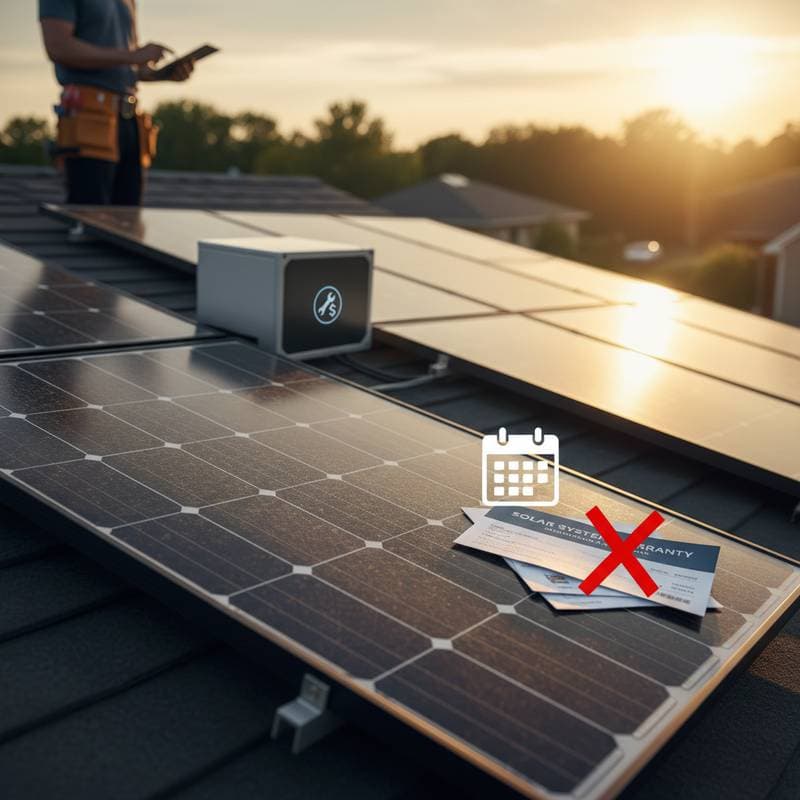
Professional services involve higher initial expenses yet ensure thorough documentation that bolsters warranty claims. Many manufacturers mandate proof of maintenance history to validate future coverage.
Comparing Service Providers
Select a maintenance provider by evaluating their service details, reliability, and documentation practices. Request written proposals outlining the scope of work, visit schedules, and report formats. Comprehensive reports should feature photographs, performance test results, and observations on overall system condition.
| Line Item | Specification or Scope | Contractor A | Contractor B | Contractor C | Variance Notes |
|---|---|---|---|---|---|
| Cleaning Method | Deionized water and soft brush | ✓ | ✓ | ✓ | Avoid harsh chemicals to prevent damage |
| Inspection Scope | Electrical components, inverter, mounts | ✓ | Partial | ✓ | Inverter checks often overlooked |
| Reporting | Digital report with photos | ✓ | ✓ | No | Detailed records support claims |
| Response Time | Within 10 business days | ✓ | ✓ | ✓ | Prompt service minimizes downtime |
Prioritize providers who deliver detailed documentation and maintain liability insurance along with roof access coverage. These elements reduce risks and align with warranty requirements.
Mistakes to Avoid in Maintenance
Certain errors compromise system health and warranty integrity. Awareness of these pitfalls enables better decision-making.
- Believing cleaning voids the warranty: Proper techniques preserve coverage; consult manufacturer guidelines for approved methods.
- Employing abrasive tools: Such implements cause micro-scratches that accumulate dirt and diminish energy output.
- Overlooking monitoring software alerts: Declines in production indicate underlying problems that require prompt attention.
- Disregarding inverter error codes: These signals reveal faults that may escalate without intervention.
- Neglecting maintenance records: Retain receipts, reports, and logs to demonstrate adherence to care protocols.
Addressing these issues proactively extends system reliability and avoids costly repairs.
Factors That Void Warranty Coverage
Warranties terminate under specific circumstances related to improper handling or modifications. Recognize these triggers to maintain protection.
- Unauthorized alterations to electrical systems
- Application of power washing or chemical cleaning agents
- Roof repairs that disturb mounts or wiring without manufacturer approval
- Noncompliance with the prescribed maintenance schedule in warranty terms
Detection of neglect or unauthorized changes by the manufacturer results in restricted or nullified coverage. Adhere strictly to outlined procedures to prevent such outcomes.
System Lifespan and Recommended Maintenance Schedule
Well-maintained solar panels endure 25 years or longer, delivering consistent energy output. Follow a structured maintenance cadence to optimize longevity and performance.
- Post-installation phase: Confirm proper torque on all mounts and validate inverter configuration.
- Seasonal intervals: Remove debris, clean panels, and analyze monitoring data for anomalies.
- Annual review: Examine wiring, fuses, and grounding connections; assess production logs for trends.
- Later years preparation: Anticipate inverter replacement between years 15 and 20, based on model specifications.
This routine sustains efficiency, enhances resale potential, and upholds warranty conditions.
Budgeting Strategies for Maintenance
Allocate funds systematically to cover ongoing needs without financial strain. Annual maintenance typically equals one to two percent of the system's initial cost. For a $20,000 installation, plan for $200 to $400 yearly, plus a contingency for major components like inverters, which range from $1,000 to $2,500.
Consider prepaid plans for predictable expenses, but scrutinize coverage details. Some plans address only surface cleaning, excluding electrical diagnostics. Building a dedicated reserve account ensures readiness for unexpected services.
The Value of Warranties Despite Limitations
Warranties remain essential for addressing manufacturing defects and early failures, even without maintenance inclusion. A robust warranty reflects high production standards and provides recourse for legitimate issues. Owners must supplement this protection with diligent care to realize full benefits.
Steps to Implement Effective Maintenance
Take these measures to establish a solid maintenance foundation and secure your solar investment.
- Review warranty documents and note all exclusion clauses.
- Arrange an initial inspection to establish performance baselines.
- Choose between per-visit payments or an annual contract based on usage patterns.
- Maintain a log of all service dates with digital report archives.
- Configure monitoring app notifications for production fluctuations.
Consistent maintenance elevates panel efficiency, prolongs durability, and safeguards warranty entitlements. This investment yields reliable renewable energy and protects against unforeseen expenses for decades.