Roofing Materials That Conquer Extreme Weather
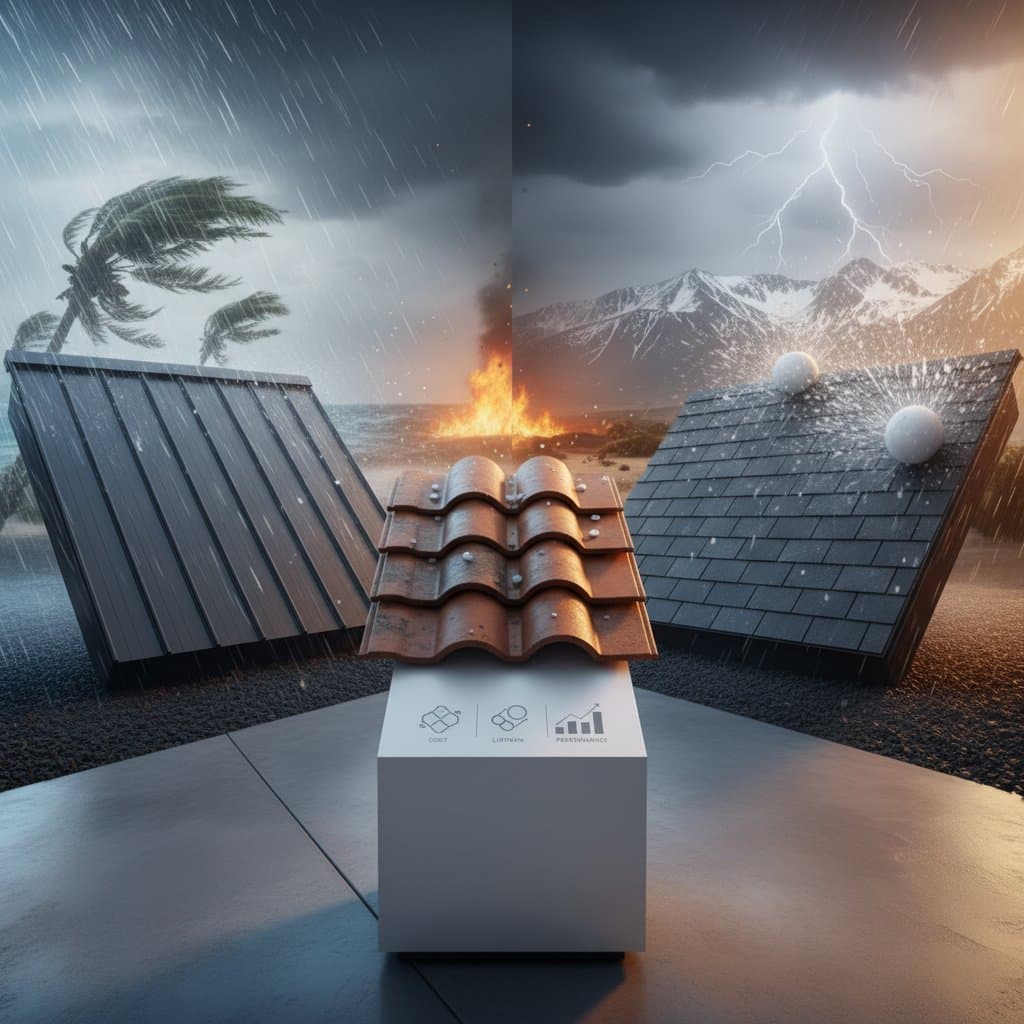
Homeowners in regions prone to storms and intense heat require a roof capable of enduring high winds, relentless rain, hail impacts, and prolonged exposure to sunlight and salt air. The objective remains straightforward: select a roof that endures, safeguards the structure, and reduces the need for frequent repairs. This guide examines leading roofing materials engineered for severe climates, including their costs, expected lifespans, and scenarios that necessitate professional involvement.
Top Materials for Extreme Weather
1. Standing Seam Metal Roofing
Standing seam metal roofing excels in resisting wind, rain, and fire compared to many alternatives. The panels interlock via elevated seams that block water penetration. Concealed fasteners further reduce the potential for leaks over time.
Best fit: Coastal areas and wildfire-prone regions.
Lifespan: 40 to 70 years, assuming regular upkeep.
Wind rating: Up to 140 miles per hour, provided installation includes appropriate clips and underlayment.
Maintenance: Conduct annual checks on fasteners and flashing to maintain integrity.
Cost Table: Metal Roofing
| Scope Item | Material Cost Range | Labor Cost Range | Total Range | Notes on Drivers |
|---|---|---|---|---|
| Standing seam aluminum | $4 to $6 per sq. ft. | $5 to $8 per sq. ft. | $9 to $14 per sq. ft. | Costs increase with roof pitch and panel gauge |
| Galvanized steel | $3 to $5 per sq. ft. | $4 to $7 per sq. ft. | $7 to $12 per sq. ft. | Heavier panels demand reinforced framing |
Key tip: Opt for panels finished with Kynar or PVDF coatings to enhance resistance against ultraviolet rays and salt corrosion.
2. Concrete or Clay Tile Roofing
Concrete and clay tiles provide exceptional durability in high-heat environments, with interlocking designs that shed water efficiently and resist uplift from gusts. These materials maintain structural stability during thermal expansion and contraction cycles common in arid or storm-swept locales.
Best fit: Hot, dry areas susceptible to storms and embers.
Lifespan: 50 to 100 years under proper conditions.
Wind rating: Up to 125 miles per hour when secured with foam adhesives or mechanical fasteners.
Maintenance: Inspect for cracks and mortar deterioration every two years; replace damaged tiles promptly to prevent cascading failures.
Cost Table: Concrete/Clay Tile Roofing
| Scope Item | Material Cost Range | Labor Cost Range | Total Range | Notes on Drivers |
|---|---|---|---|---|
| Concrete tile | $4 to $8 per sq. ft. | $6 to $12 per sq. ft. | $10 to $20 per sq. ft. | Weight requires structural assessment |
| Clay tile | $5 to $10 per sq. ft. | $5 to $10 per sq. ft. | $10 to $20 per sq. ft. | Aesthetic variations influence material pricing |
Key tip: Select tiles certified for impact resistance to handle hail up to two inches in diameter, ensuring compliance with regional building standards.
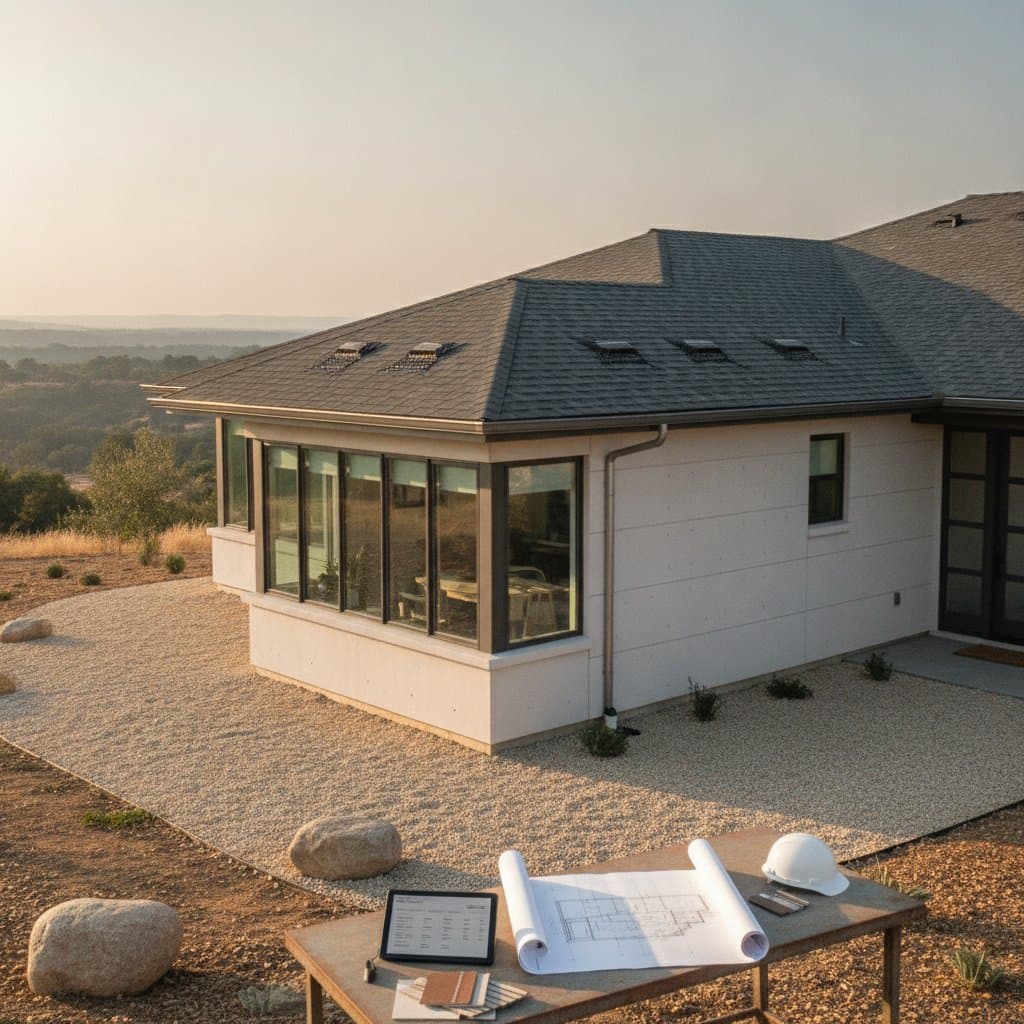
3. Architectural Asphalt Shingles
Architectural asphalt shingles feature reinforced laminated construction and integrated sealant strips that counteract wind uplift effectively. They serve as a balanced option for property owners seeking reliable defense without the premium price of metal or tile systems.
Best fit: Regions experiencing a combination of wind, precipitation, and occasional hail.
Lifespan: 25 to 40 years.
Wind rating: Up to 130 miles per hour for high-end variants.
Fire rating: Class A, bolstered by fiberglass reinforcement.
Cost Table: Asphalt Shingles
| Scope Item | Material Cost Range | Labor Cost Range | Total Range | Notes on Drivers |
|---|---|---|---|---|
| Architectural shingles | $1.20 to $2.50 per sq. ft. | $1.50 to $3.50 per sq. ft. | $2.70 to $6 per sq. ft. | Steeper roof angles elevate labor by 20 to 40 percent |
| Impact-rated shingles | $1.80 to $3 per sq. ft. | $1.80 to $3.80 per sq. ft. | $3.60 to $6.80 per sq. ft. | High-infrared reflective types suit warmer zones |
Key tip: Pair shingles with ice and water shields in valleys and eaves to bolster performance during heavy downpours.
4. Synthetic Slate or Shake Roofing
Synthetic slate and shake products replicate the appearance of natural stone or wood while offering superior strength against impacts and flames. Polymer composites resist moisture absorption and maintain flexibility in extreme temperatures.
Best fit: Hurricane corridors and hail-vulnerable zones.
Lifespan: 50 years or more.
Wind rating: Up to 150 miles per hour with specialized fastening.
Maintenance: Minimal; rinse periodically to remove debris and inspect clips annually.
Cost Table: Synthetic Slate/Shake
| Scope Item | Material Cost Range | Labor Cost Range | Total Range | Notes on Drivers |
|---|---|---|---|---|
| Synthetic slate | $4 to $7 per sq. ft. | $4 to $6 per sq. ft. | $8 to $13 per sq. ft. | Custom colors add to material expenses |
| Synthetic shake | $5 to $8 per sq. ft. | $3 to $5 per sq. ft. | $8 to $13 per sq. ft. | Lighter weight simplifies installation |
Key tip: Verify that the product meets ASTM standards for fire and impact resistance to qualify for insurance discounts.
Safety, Code, and Warranty Considerations
Compliance with local regulations forms the foundation of a resilient roof. Begin by verifying wind and fire codes, as most jurisdictions mandate inspections for uplift resistance and underlayment specifications. Stainless steel screws or hurricane clips prove essential in high-velocity zones.
Synthetic underlayments designed for elevated temperatures outperform traditional felt options in longevity. For metal installations near lightning protection, proper grounding prevents electrical hazards. Manufacturers typically invalidate warranties if installers deviate from specified nailing patterns or underlayment choices; adhere strictly to guidelines.
Maintenance Strategies and Longevity
A structured maintenance routine extends the service life of any roofing system. Post-installation, examine flashing, ridge caps, and sealants within the first 30 days to catch early issues. Seasonal tasks include clearing debris from gutters and downspouts twice yearly to avoid backups.
Annual evaluations focus on corrosion signs, loose fasteners, and sealant degradation. At the end of the material's life, monitor for granule loss or coating failures to time replacements effectively.
Maintenance Cadence Framework
| Phase | Tasks | Interval |
|---|---|---|
| After install | Inspect flashing, ridge caps, and sealant | 30 days |
| Seasonal | Clear debris, check gutters and downspouts | Twice per year |
| Annual | Check for corrosion, loose fasteners, and sealant wear | Yearly |
| End of life | Plan for replacement when surface granules or coatings fail | As needed |
Prevent water accumulation by maintaining clear gutters. Keep overhanging branches trimmed to at least 10 feet from the roof edge. Following significant weather events, assess ridge vents, flashing, and valleys for signs of displacement or harm.
Quick Comparison Table
| Material | Lifespan | Wind Rating | Fire Rating | Cost per sq. ft. (installed) | Best Fit |
|---|---|---|---|---|---|
| Metal | 40 to 70 years | Up to 140 mph | Class A | $9 to $14 | Coastal and wildfire zones |
| Concrete/Clay Tile | 50 to 100 years | Up to 125 mph | Class A | $10 to $20 | Hot, dry, storm-prone regions |
| Asphalt Shingle | 25 to 40 years | Up to 130 mph | Class A | $3 to $6 | Mixed climates |
| Synthetic Slate | 50+ years | Up to 150 mph | Class A | $8 to $13 | Hurricane and hail areas |
Implementing Your Roof Upgrade
Align your selection with specific climate threats for optimal results. Solicit at least three detailed bids outlining material specifications, underlayment details, wind ratings, and fastening techniques. Evaluate warranty durations and request evidence of installer expertise in the chosen product.
Readiness Checklist
| Task | Notes |
|---|---|
| Tools required | Ladder, harness, nail gun, chalk line, shears |
| Skills required | Measuring, cutting panels or shingles, flashing installation |
| Safety gear | Hard hat, gloves, non-slip boots, harness |
| Permits needed | Local building and wind zone approval |
| Prep tasks | Measure slope, inspect decking, plan waste disposal |
| Weather constraints | Avoid installation in high humidity or freezing conditions |
Selecting an appropriate roofing material represents a critical choice for both performance and safety. A system tailored to local challenges can prevent substantial repair expenses and lower insurance premiums. Invest effort in specification verification, code adherence, and consistent maintenance to achieve a roof that withstands seasonal rigors.