2025 Home Elevation: Costs and Flood Insurance Savings
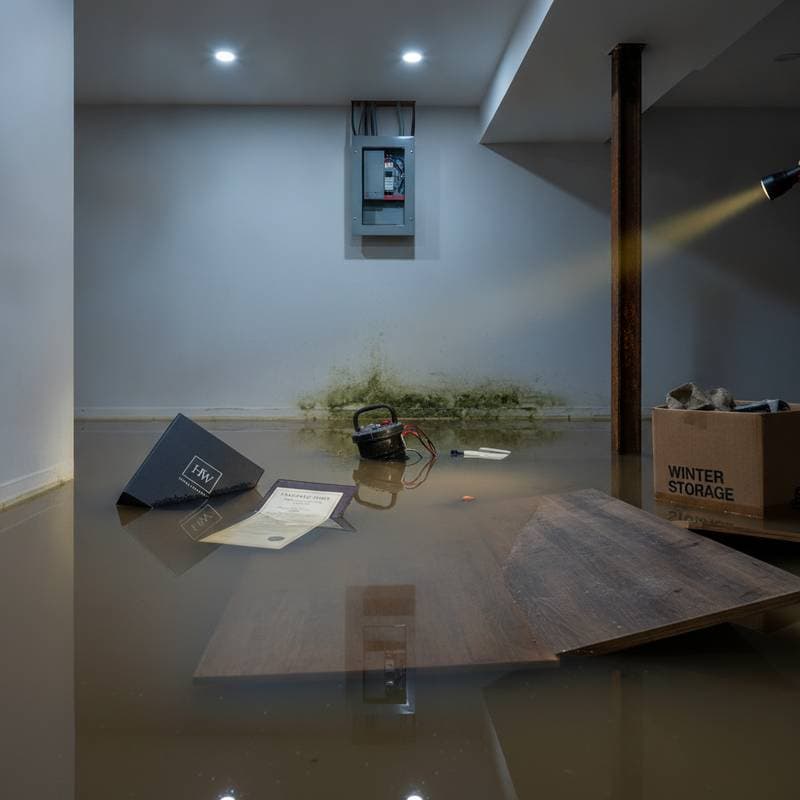
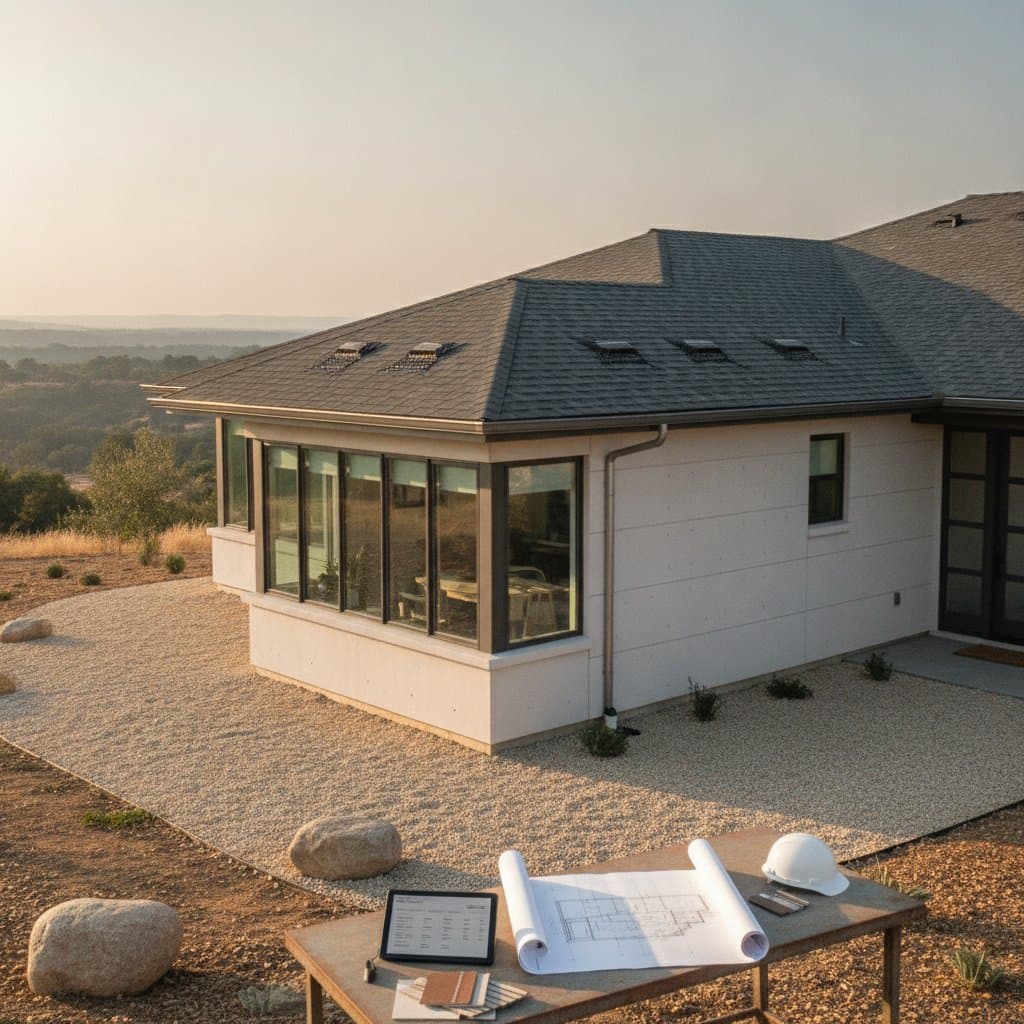
Rising flood risks prompt homeowners to reconsider property enhancements. Home elevation, once viewed as an extreme option, now serves as a practical strategy against frequent flooding, escalating insurance premiums, and stricter regulations in vulnerable areas. This approach demands thorough financial planning, regulatory compliance, and evaluation of long-term benefits.
This guide explores home elevation systematically. It covers cost breakdowns, project phases, return on investment calculations, and protective measures. Homeowners gain tools to assess structural needs, financial impacts, and regulatory hurdles before proceeding.
Breaking Down Elevation Costs
Home elevation expenses differ based on home size, location, and construction details. Homeowners benefit from categorizing costs to avoid surprises and secure accurate quotes.
The core lifting cost starts at $30 to $60 per square foot, influenced by lifting technique and foundation design. For a 1,500-square-foot home, expect $45,000 to $90,000 for this phase alone. Factors such as pier-and-beam versus slab foundations affect the final figure.
Other essential expenses include:
- Foundation upgrades or reinforcements: $10,000 to $25,000, varying with soil type and material choices.
- Utility relocations for plumbing, electrical, and gas lines: $2,000 to $8,000.
- Site restoration for landscaping, driveways, and access paths: $3,000 to $10,000.
- Engineering assessments and permitting: $5,000 to $15,000, depending on local codes.
- Temporary housing during construction: $2,000 to $5,000, based on project timeline.
Overall, projects range from $80,000 to $200,000. Coastal properties or those with complex masonry structures often surpass this estimate. Consult multiple specialists for tailored projections.
Navigating the Elevation Process
Home elevation unfolds in structured stages. Each phase involves specific actions to minimize risks and ensure compliance.
- Consultation and Inspection: Engage a certified structural engineer or elevation expert. They assess the home's integrity, soil conditions, and site challenges like underground utilities or tree roots.
- Detailed Evaluation: Professionals analyze the foundation, calculate load capacities, and specify required lift height to exceed base flood elevation standards. Obtain an elevation certificate and comprehensive survey during this step.
- Permitting and Approvals: Submit plans to local authorities, floodplain administrators, and relevant agencies. This process spans weeks; prepare for nonrefundable fees regardless of outcome.
- Execution of the Lift: Use hydraulic jacks and steel supports to raise the structure incrementally. Install new pilings or a raised foundation once positioned.
- Completion and Reconnection: Restore utilities, construct elevated stairs or ramps, and apply finishing touches. Schedule final inspections to confirm adherence to building codes.
Projects typically last three to six months, affected by weather, approvals, and labor availability. Budget for disruptions to daily routines and secure alternative living arrangements early.
Calculating Financial Returns and Insurance Benefits
Home elevation yields returns through premium reductions, damage prevention, and enhanced market value. Quantify these elements to justify the investment.
Insurance Premium Reductions
Raising a home above designated flood levels shifts it from high-risk to lower-risk zones. This adjustment can cut annual premiums by 30 to 50 percent, saving $2,000 to $5,000 yearly for many policies. A $150,000 project might recoup 25 to 40 percent of costs over 10 to 20 years via these savings. Update your flood insurance provider immediately post-completion to realize benefits.
Preventing Flood Damage Expenses
Each averted flood spares significant repair bills. A single event might cost $40,000 to $60,000 in water damage to structures and systems. Elevation protects against multiple incidents, potentially saving $100,000 or more over the home's lifespan. Factor in regional flood frequency when projecting these gains.
Boosting Property Value and Appeal
Buyers in flood zones prioritize elevated homes for their resilience and cost efficiencies. Such properties maintain or increase value during market downturns caused by disasters. Appraisals often reflect a 5 to 10 percent premium for elevation, improving resale prospects. Local real estate trends confirm this stability advantage.
Safeguarding Against Project Risks
Specialized elevation work requires careful contractor selection and oversight. Proactive steps protect homeowners from common pitfalls.
Confirming Contractor Qualifications
Verify state-issued licenses for structural elevation, along with bonding and liability insurance. Structural engineering credentials must align with project demands; cross-check with professional boards. Avoid general contractors lacking elevation-specific experience.
Securing a Solid Contract
Demand a detailed agreement outlining total costs, phased payments, and exact scope. Insist on fixed pricing for each component, eliminating vague terms like "additional as needed." Negotiate timelines and penalties for delays to align incentives.
Overseeing Quality Through Inspections
Hire third-party engineers for midpoint checks during lifting and foundation work. Tie payments to verified milestones, such as post-lift stability tests. Document progress with photos to support any quality concerns.
Resolving Conflicts Effectively
Maintain records of all communications and site changes. Leverage local consumer agencies for mediation before pursuing legal options. Clear contracts reduce escalation risks.
Ensuring Ongoing Protection and Maintenance
Elevation enhances flood resistance but requires upkeep to preserve effectiveness. Regular checks sustain the investment's value.
- Examine foundation piers and beams yearly for signs of wear, rust, or shifting.
- Test utility penetrations for water tightness after ground shifts.
- Clear and upgrade drainage features to direct water from the structure.
- Apply sealants to potential entry points like vents and enclosures.
- Update insurance documents annually to match the elevated status.
Consistent maintenance prevents minor issues from compromising safety. Schedule professional audits every two years for comprehensive reviews.
Scrutinizing Contract Details for Security
Elevation agreements contain provisions that influence post-project accountability. Identify and address these to limit liabilities.
Look for terms covering natural events, unexpected foundation issues, or contractor warranties. Negotiate extensions for settling corrections, aiming for two-year coverage on labor and materials. Confirm insurance policies explicitly cover elevation activities and provide certificates as proof.
Maximizing Your Home's Resilience
Home elevation fortifies against floods while delivering financial and market advantages. By weighing costs against savings and following structured steps, homeowners secure lasting protection. This proactive measure not only lowers risks but also enhances property worth in an era of increasing water threats.