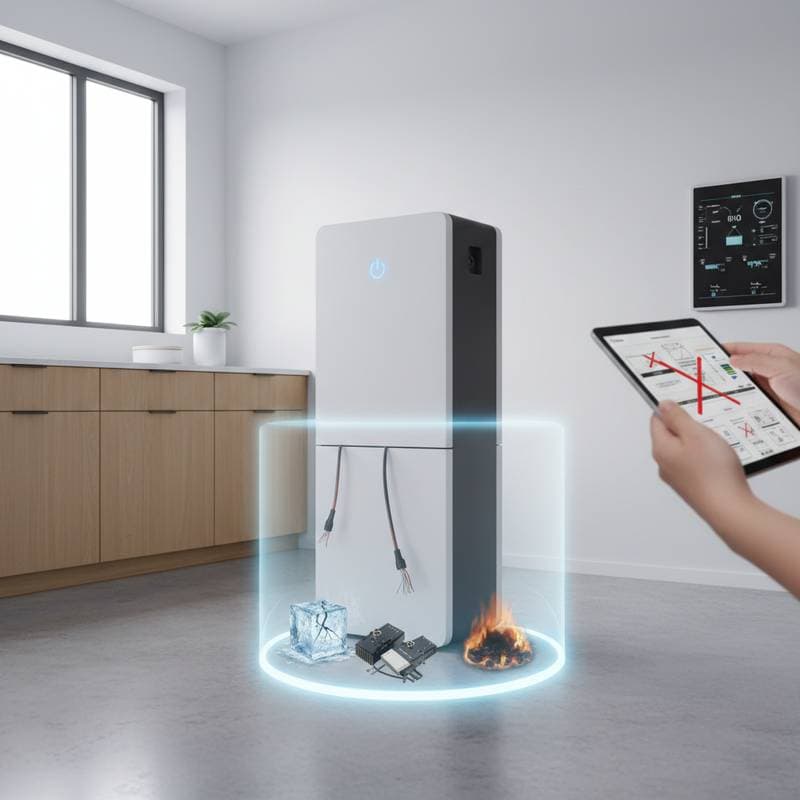
Understanding Home Battery Warranties in 2026
Home battery systems represent a significant advancement in residential energy management, providing backup power and integration with solar setups. These systems come with warranties that typically span 10 to 25 years, covering manufacturing defects and performance degradation. However, warranties include detailed exclusions that policyholders must navigate to avoid financial pitfalls.
In 2026, manufacturers like Tesla, LG Energy Solution, and Enphase emphasize stricter terms due to evolving technology and installation standards. A warranty serves as a safety net, but only when users adhere to specified conditions. Failure to do so can nullify coverage entirely, leaving owners responsible for repairs that may cost thousands of dollars.
This article examines key exclusions, explains their implications, and provides practical strategies to preserve warranty validity. By addressing these areas, homeowners can maximize the value of their investment and ensure uninterrupted performance.
Common Exclusions in Home Battery Warranties
Warranties for home batteries outline protections against inherent flaws, but they explicitly exclude damages from external factors. These exclusions reflect the need to distinguish between product failures and preventable issues. Below, we detail the most prevalent categories.
Improper Installation
One of the most frequent reasons for warranty denial involves installation errors. Manufacturers require certified professionals to handle setup, as batteries involve high-voltage components and complex wiring. If a non-qualified individual performs the work, or if codes are not followed, the warranty becomes void.
For instance, inadequate grounding or incorrect mounting can lead to overheating and system failure. In 2026, updated regulations from bodies like the National Electrical Code mandate specific certifications for installers. Homeowners who opt for DIY approaches or unlicensed contractors face immediate coverage loss, with repair costs averaging $5,000 to $10,000.
To verify compliance, always request documentation from installers proving adherence to manufacturer guidelines. Retain these records as proof during any claim process.
Misuse and Operational Errors
Warranties do not cover damages resulting from misuse, such as overloading the battery beyond its rated capacity or exposing it to unauthorized software modifications. Home batteries are designed for specific charge-discharge cycles; exceeding these can accelerate wear and trigger exclusion clauses.
In 2026, smart home integrations increase the risk of misuse through incompatible apps or firmware updates. For example, forcing a full discharge during peak demand without monitoring can cause irreversible cell degradation. Manufacturers track usage via built-in diagnostics, and anomalies often lead to claim rejections.
Users should consult the user manual for operational limits and avoid tampering with factory settings. Regular software updates from official sources help maintain compatibility and warranty integrity.
Environmental Damage
Extreme weather and environmental conditions pose significant risks to home batteries, and most warranties exclude coverage for such events. Flooding, high humidity, or temperatures outside the specified range (typically 32°F to 113°F) can corrode components or reduce efficiency.
With climate patterns shifting, 2026 sees heightened concerns over storm-related damages. Batteries installed in basements or coastal areas without proper enclosures may suffer water ingress, leading to short circuits. Policies often classify these as acts of nature, shifting responsibility to homeowners' insurance rather than the product warranty.
Protective measures include selecting weather-rated enclosures and elevating units in flood-prone zones. Site assessments before installation can identify vulnerabilities and inform placement decisions.
Unapproved Components and Modifications
Using third-party parts or making unauthorized modifications voids warranties across the board. Home batteries require genuine replacements for batteries, inverters, and controllers to ensure compatibility and safety.
In 2026, the rise of aftermarket accessories tempts cost savings, but integrating non-OEM components disrupts system balance. For example, a mismatched inverter can cause voltage fluctuations, damaging the core unit. Manufacturers include clauses prohibiting such alterations, with inspections revealing modifications during claims.
Stick to approved suppliers and obtain written permission for any upgrades. This approach preserves both performance and coverage.
Strategies to Avoid Warranty Gaps
Preventing exclusions requires proactive steps throughout the battery's lifecycle. Start with thorough planning and continue with diligent maintenance. These actions not only uphold warranty terms but also extend system longevity.
Selecting the Right Installation Partner
Choose installers certified by the manufacturer and experienced in local codes. Verify credentials through online directories or direct inquiries. A reputable partner provides a detailed installation report, essential for future claims.
Schedule a pre-installation consultation to discuss site-specific challenges. This ensures the system aligns with warranty requirements from the outset.
Implementing Proper Maintenance Routines
Regular upkeep forms the foundation of warranty compliance. Clean vents monthly to prevent dust buildup, and monitor performance via the system's app. Address any alerts promptly to avoid escalating issues.
Annual professional inspections detect early signs of wear. Document all maintenance activities, as records demonstrate adherence to care guidelines during disputes.
Preparing for Environmental Risks
Assess your property's exposure to elements before purchase. Opt for batteries with robust IP ratings for water and dust resistance. In high-risk areas, integrate surge protectors and backup cooling systems.
Homeowners insurance can complement warranties by covering environmental perils. Review policies to identify overlaps and gaps in protection.
Sourcing Approved Parts and Avoiding Modifications
Purchase replacements exclusively from authorized dealers. When considering expansions, contact the manufacturer for compatibility verification. This prevents accidental violations and ensures seamless integration.
Educate household members on usage protocols to minimize errors. Training resources from manufacturers often include guides and videos for safe operation.
Safeguarding Your Energy Investment
By understanding and addressing warranty exclusions, homeowners in 2026 can secure reliable performance from their battery systems. These units not only provide energy independence but also contribute to cost savings over time. Prioritizing certified installation, routine maintenance, and compliant modifications transforms potential liabilities into assets.
Ultimately, a well-maintained home battery delivers peace of mind and financial benefits. Take these steps today to ensure your system remains covered and operational for years to come.