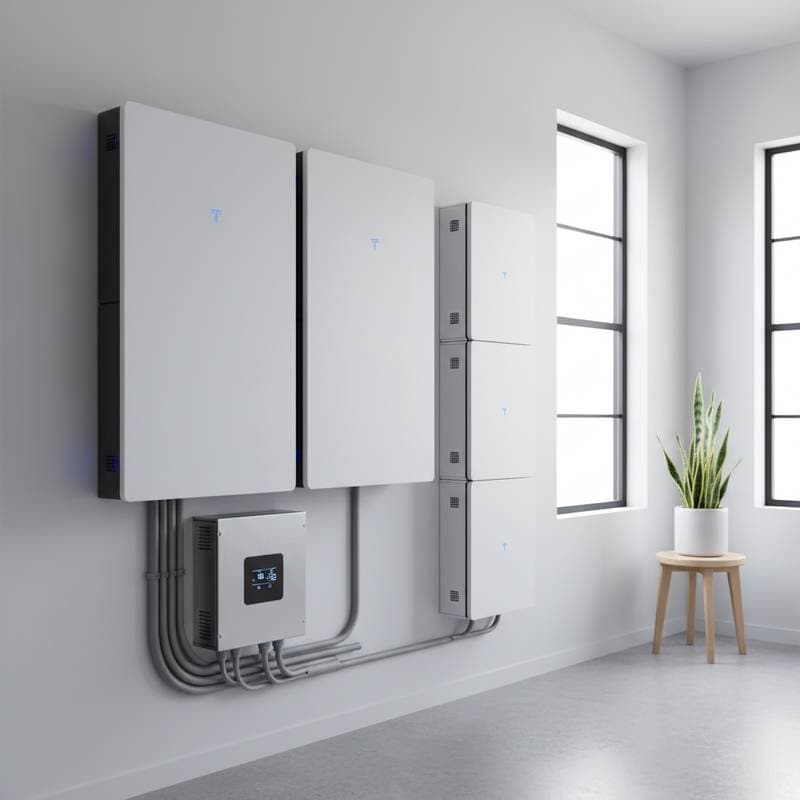
Understanding Home Battery Costs in 2024
Home battery installations represent a significant investment in energy independence. These systems store power from solar panels or the grid, providing backup during outages and enabling efficient energy use. In 2024, expect to pay between $10,000 and $18,000 for a typical setup, which includes the battery, inverter, and professional labor.
Several factors determine the final price. System capacity, measured in kilowatt-hours, directly affects cost; a 10 kWh unit suits average households, while larger 13-20 kWh options serve high-demand homes. Material quality, brand reputation, and regional labor rates also play roles. For instance, premium lithium-ion batteries from established manufacturers command higher prices but offer superior longevity and efficiency.
To budget effectively, break down the expenses into core components. The battery itself accounts for 50-60 percent of the total, ranging from $5,000 to $10,000. Inverters, essential for converting stored direct current to usable alternating current, add $2,000 to $5,000. Labor and permitting contribute another $2,000 to $4,000, varying by location and complexity.
Key Component Costs
Beyond the main units, additional hardware ensures seamless integration and durability. Consider these typical price ranges:
- Battery enclosure or cabinet: $500 to $1,200. Indoor models prioritize security, while outdoor versions require weatherproofing to withstand rain, UV exposure, and temperature swings.
- Generator integration kit: $400 to $1,000. This allows automatic switching to backup power sources, ideal for extended outages in storm-prone areas.
- Solar panel integration hardware: $500 to $1,500. Connectors, charge controllers, and mounting kits enable batteries to store excess solar energy, maximizing daytime production.
Other potential add-ons include monitoring software for real-time app access ($200-$500) and surge protectors ($100-$300). Evaluate your setup needs early to avoid unexpected fees.
DIY Installation Versus Professional Services
While some preparation tasks appeal to handy homeowners, most aspects demand expert involvement. A capable individual can handle preliminary work to save on labor costs.
Tasks Suitable for DIY
- Prepare the installation site by clearing space on walls, floors, or pads, ensuring level surfaces and adequate access.
- Mount conduit brackets and run low-voltage communication cables, always under the guidance of a licensed electrician.
- Research battery models, compare specifications like cycle life and depth of discharge, and perform non-electrical duties such as labeling components or painting enclosures for aesthetic integration.
Professional-Only Responsibilities
- Connect the battery to the home's main electrical panel, a task reserved for licensed electricians due to high-voltage risks.
- Install current transformers, configure inverters, and handle any live circuit modifications to prevent hazards.
- Secure permits and schedule inspections; in many jurisdictions, only certified professionals can sign off on compliance.
Safety Considerations and Code Compliance
Attempting advanced electrical work without qualifications poses serious dangers. Improper setups risk fires from short circuits or thermal runaway in lithium batteries. Electric shocks remain a concern with mishandled wiring.
Adhere to manufacturer guidelines for mounting, including minimum spacing for ventilation and distance from heat sources. Local building codes often mandate clearances from windows, doors, and flammable materials. Contact your municipal department early to verify requirements and avoid costly rework.
Warranty Implications
Manufacturers typically require certified installation to validate coverage. Policies span 10 years or a specified number of charge cycles, protecting against defects in materials and performance. Self-installed systems seldom qualify, leaving owners exposed to repair expenses that could exceed $5,000.
Regional Variations in Planning
Location shapes both costs and system performance. Tailor your approach to local conditions for optimal results.
Climate Impacts
In cold climates, batteries lose efficiency below freezing, with capacity dropping up to 20 percent. Opt for heated enclosures or garage placements to maintain output. Hot regions demand shaded, ventilated spots to avoid overheating, which triggers automatic shutdowns and reduces lifespan.
Grid Reliability and Usage Patterns
Frequent power interruptions in rural or storm-vulnerable areas accelerate return on investment through reliable backup. In stable urban grids, batteries function more as peak-shaving tools, storing cheap off-peak energy for expensive evening use.
Incentives and Utility Programs
Energy rates influence savings potential. Time-of-use plans reward discharging batteries during high-rate periods, potentially cutting bills by 20-30 percent. Federal tax credits cover 30 percent of costs, while state rebates and utility incentives add $1,000 to $5,000 in offsets.
Research programs via your utility provider or state energy office. Eligibility often hinges on system size and installation date, so apply before purchase.
Installation Timeline Essentials
Smooth execution minimizes disruptions. Plan for these phases to stay on track.
Material Procurement
Batteries arrive in two to six weeks, depending on demand and supply chains. Popular models from brands like Tesla or Enphase face backlogs during peak seasons. Order hybrid inverters early, as they integrate solar and grid functions and may delay up to eight weeks.
On-Site Work Duration
A standard single-battery install completes in one to two days with a two-person crew. Adding solar ties or multiple units extends this to three days, including testing and calibration.
Inspection Milestones
Schedule an electrical rough-in inspection after wiring but before enclosure closure. Final utility approval follows activation testing, sometimes requiring a dedicated meter check. Delays here can add weeks, so coordinate with inspectors upfront.
Steps to Secure Your System
Select a battery that aligns with your household's energy profile. Calculate daily consumption via utility bills; a 10 kWh unit covers essentials like lights and fridge for 8-12 hours during outages. For solar owners, storage captures midday surplus, reducing reliance on grid purchases.
Obtain at least three detailed quotes from NABCEP-certified installers. Verify equipment compatibility, such as inverter-battery pairings, to ensure efficiency. Confirm all incentives apply and review contracts for timelines and guarantees.
With proper sizing and execution, your battery delivers resilient power, eases outage worries, and supports sustainable habits. Over a decade, it fosters energy autonomy and financial benefits through optimized use.