Decoding Solar Battery Warranties: Coverage, Costs, and Protection Strategies
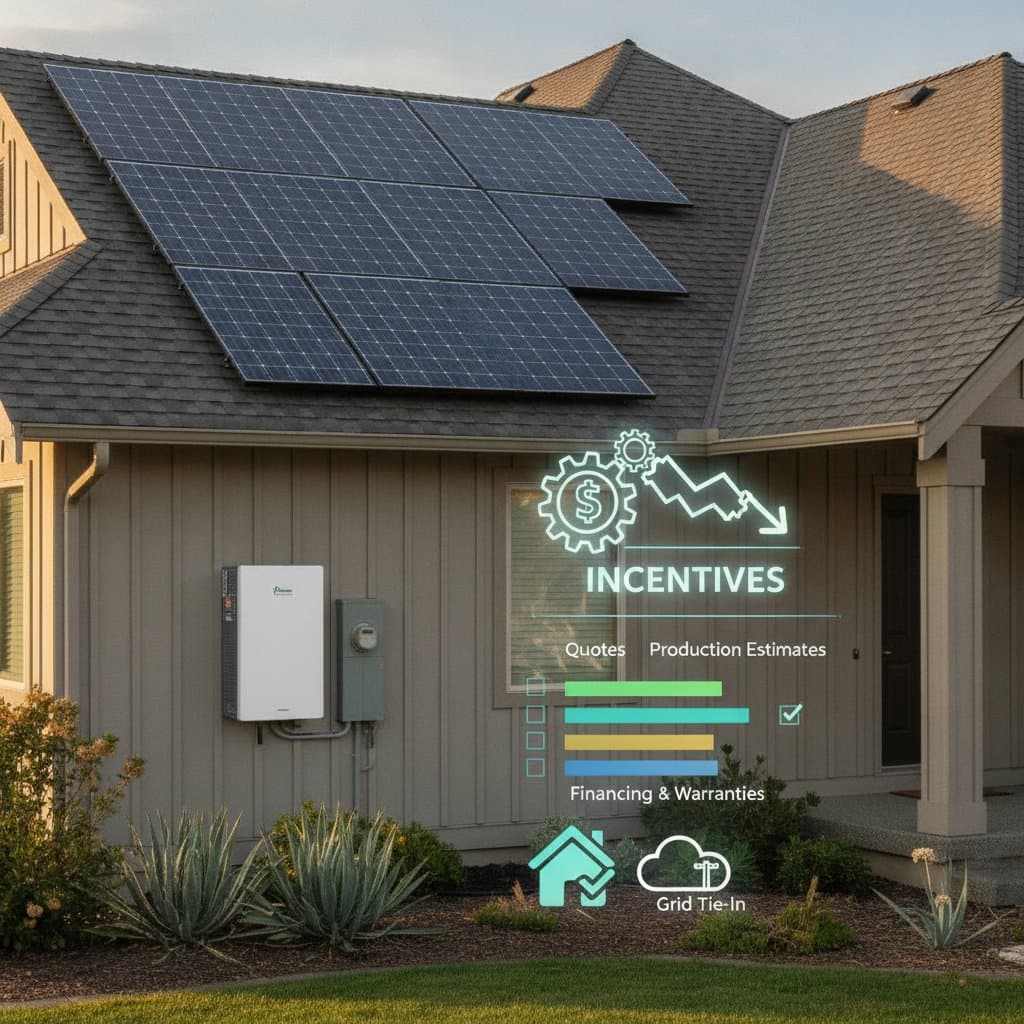
Homeowners who install solar energy systems frequently emphasize the solar panels while giving less attention to the warranties for solar batteries. These storage units represent a significant investment, and the terms of their warranties dictate the level of protection against potential failures. By examining the financial aspects, coverage boundaries, and service protocols of these warranties, individuals can avoid expensive pitfalls and secure enduring benefits from their solar setups.
What Solar Battery Warranties Cover
Solar battery warranties typically address manufacturing defects, performance decline, and select expenses for repairs or replacements. They often feature guarantees on capacity retention, such as maintaining 70 to 80 percent of initial capacity after 10 years or a set number of charge cycles. Coverage may extend to workmanship issues when installation occurs through certified professionals, though some policies limit protection to the battery components alone.
Beyond basic replacements, warranties outline responsibilities for shipping, disposal, and labor. Homeowners should confirm whether the manufacturer assumes all costs for technician visits or if additional fees apply. This clarity prevents unexpected outlays during service events.
Breaking Down Warranty Costs and Limitations
While solar battery warranties seem straightforward, their true worth emerges from close inspection of the details. Plans often incorporate service charges and reimbursement ceilings. A standard warranty might offer no upfront cost but impose fees of $75 to $150 for each service call. Upgraded options involve yearly premiums that raise coverage thresholds and reduce out-of-pocket expenses.
The following table summarizes common warranty tiers for solar batteries:
| Coverage Level | Annual Premium | Service Fee per Claim | Reimbursement Cap per Incident | Notable Exclusions |
|---|---|---|---|---|
| Basic | $0 | $75 to $150 | Up to $1,000 | Improper installation, user error |
| Extended | $100 to $200 | $50 to $100 | Up to $3,000 | Pre-existing conditions, non-standard use |
| Premium | $250 to $400 | $0 to $50 | Up to $10,000 | Commercial settings, unapproved modifications |
Depreciation clauses represent another subtle expense. Manufacturers might base replacements on depreciated value rather than original cost, requiring homeowners to pay the balance for upgraded components. Review these policies to gauge full financial implications over the battery's 10- to 15-year lifespan.
Navigating the Warranty Claim Procedure
A solar battery malfunction triggers a structured claim process that influences resolution speed and effectiveness.
-
Report the Issue: Contact the warranty administrator or original installer, providing purchase documentation and installation certificates.
-
Diagnostic Review: Submit data from the system's inverter or app-based monitoring to verify the problem.
-
Verification Step: Specialists assess whether the failure stems from covered causes or factors like neglect or alterations.
-
Resolution Execution: Approved claims lead to repair or replacement by a qualified technician, typically within three to five business days.
-
Ongoing Compliance: Provide post-service performance logs or permit follow-up inspections to preserve warranty status.
Complications arise when manufacturers and installers operate independently, potentially causing disputes over accountability. Homeowners benefit from unified contracts that designate a single point of contact for claims.
Key Exclusions and Avoidance Tactics
Solar battery warranties contain specific exclusions that risk denying claims. Frequent causes for rejection include:
- Installation performed by unqualified individuals
- Neglect of recommended maintenance routines, such as temperature control or firmware updates
- Alterations to electrical connections or system configurations
- Pairing with non-compatible inverters or add-on units
- Operation in extreme conditions exceeding design specifications, like excessive heat or humidity
Pre-installation factors also play a role. Batteries stored improperly or showing damage before activation may face limited coverage. Conduct a thorough pre-purchase inspection and retain all transport records to counter such challenges.
Steps to Maximize Warranty Value
Treat solar battery warranties as essential safeguards for your investment. Compare caps on per-claim payouts, labor charges, and valuation methods against your system's expected output and energy cost reductions. Factor in the battery's projected durability to ensure alignment with your financial goals.
Prior to commitment, obtain the complete warranty document and scrutinize every provision. Clarify responsibilities for sourcing parts, coordinating repairs, and processing approvals. Maintain detailed records of installation phases, routine upkeep, and all transactions to streamline future claims.
By mastering these elements, homeowners gain command over their solar storage reliability. This proactive approach fosters sustained performance and shields against unforeseen expenses, enabling confident reliance on clean energy for the long term.