Hidden Solar Maintenance Costs That Erode Homeowner Savings in 2025
Solar panels offer substantial long-term savings on energy bills, yet many homeowners overlook the ongoing maintenance expenses that can diminish those benefits. In 2025, factors such as rising labor costs and advanced system components amplify these hidden fees. This guide explores essential upkeep tasks, associated costs, and strategies to maintain efficiency while safeguarding warranties.
Key Insights on Solar Upkeep
Solar systems require periodic attention to sustain performance and longevity. Neglected maintenance leads to reduced energy output and premature failures.
- Routine cleaning and inspections prevent efficiency losses of up to 20 percent.
- Inverter replacements, often needed every 10 to 15 years, represent the largest expense.
- Proper roof integration avoids structural damage and preserves home value.
- Annual plans averaging $500 ensure compliance with manufacturer warranties.
Understanding Solar Maintenance
Solar maintenance encompasses all activities and components that preserve system safety, efficiency, and durability. These include panel cleaning to remove debris, electrical inspections for secure connections, inverter servicing to monitor power conversion, and roof evaluations to detect wear. Although panels demand minimal daily intervention, proactive care addresses environmental impacts like dust accumulation or extreme weather, which otherwise accelerate degradation and void coverage under warranties.
Benefits and Drawbacks of Maintenance
Benefits
- Sustained reductions in electricity expenses through optimal energy production.
- Reliable power supply with minimized disruptions from faults or inefficiencies.
- Prolonged operational life for panels, inverters, and supporting structures.
- Enhanced property appeal and value during home sales.
Drawbacks
- Recurring expenses for professional cleanings and diagnostic checks.
- High costs for replacing inverters or batteries, typically $2,000 to $5,000 each.
- Potential need for panel disassembly during roof repairs, increasing labor fees.
- Strict warranty conditions that mandate certified servicing to remain enforceable.
Scenarios Where Maintenance Succeeds or Falls Short
Succeeds When
- Installed in regions with abundant sunlight and low pollution, maximizing natural cleaning from rain.
- Homeowners adhere to biannual cleaning schedules and yearly professional inspections.
- Roof conditions remain stable, with warranties renewed and only licensed professionals handling electrical work.
Falls Short When
- Prolonged exposure to pollutants like pollen, industrial dust, or snow cover obstructs sunlight absorption.
- Deferred checks on inverters or corroded wiring lead to system-wide failures.
- Panels mount on roofs nearing the end of their lifespan, triggering immediate and costly integrations.
Step-by-Step Guide to Annual Solar Maintenance
Required Tools and Materials
- Soft-bristle brush or microfiber cloth
- Mild, non-abrasive detergent diluted in water
- Digital multimeter for voltage testing
- Roof safety harness, non-slip shoes, and ladder
- Garden hose with adjustable nozzle or low-pressure rinse system
Estimated Time: 2 to 3 hours for cleaning; 1 hour for basic inspection
Skill Level: Moderate; requires comfort with heights and basic electrical safety
-
Power Down the System Securely
Locate the main disconnect switch or circuit breaker for the solar array. Follow the manufacturer's shutdown protocol to eliminate any electrical current. Attempt no work on live components to prevent shocks or damage. -
Conduct a Visual Examination
Scan panels for cracks, discoloration, or scorch marks on surfaces and frames. Inspect mounting hardware for looseness and check beneath panels for accumulated debris, animal nests, or vegetation growth. -
Clean Panel Surfaces Thoroughly
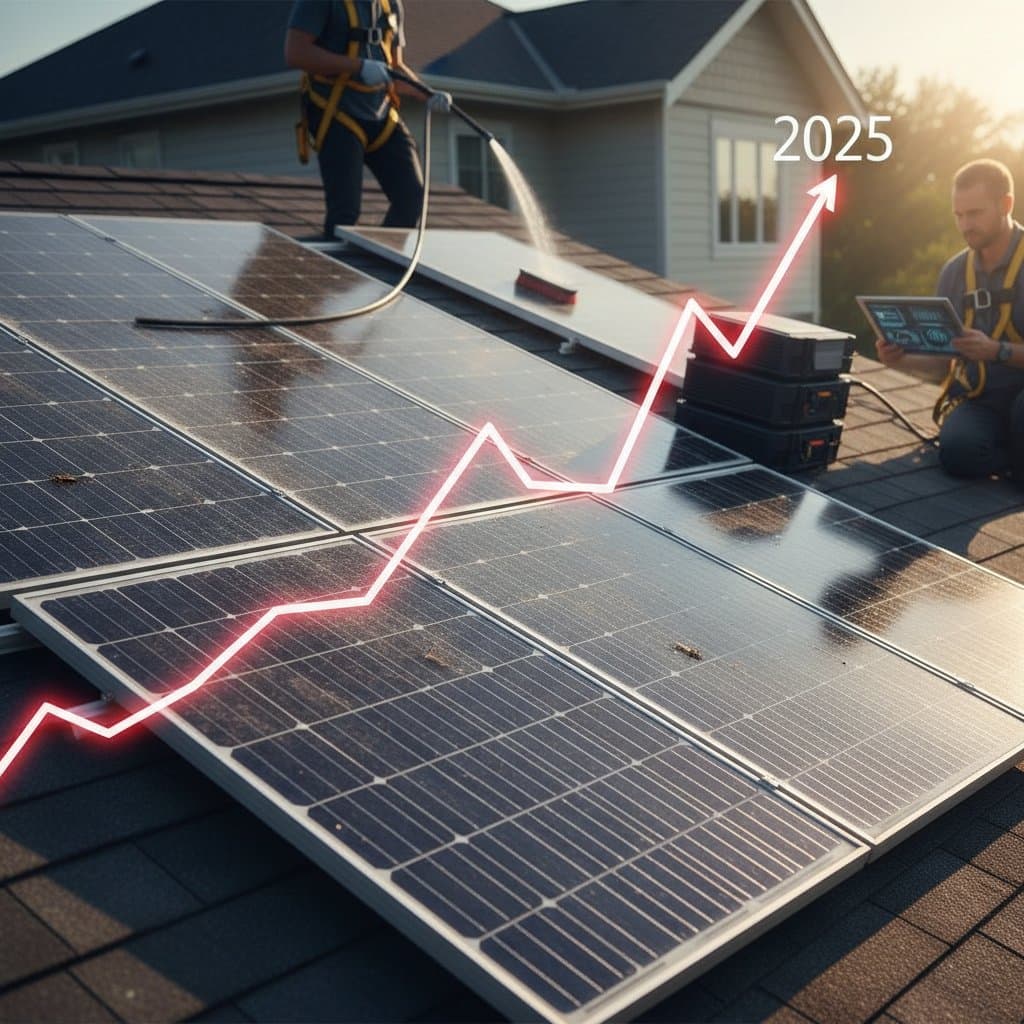
Begin with a gentle rinse using lukewarm water to dislodge loose dirt. Apply a solution of mild soap and water with a soft brush for stubborn residues, then rinse completely. Steer clear of harsh chemicals, high-pressure sprays, or abrasive tools that might etch the protective glass coating. -
Evaluate Energy Output
Access the inverter display or connect to a monitoring application to record pre- and post-cleaning production levels. Investigate further if efficiency falls by more than 10 percent, as this indicates underlying problems like shading or connection issues. -
Verify Electrical Connections
Inspect all wiring, junction boxes, and protective conduits for signs of wear, corrosion, or exposure. Secure any loose terminals and replace damaged insulation promptly to avert fire hazards or performance drops. -
Assess Roof Integrity and Seals
Examine flashing around mounts for gaps, rust, or water stains. Address minor issues by applying silicone-based sealant compatible with roofing materials. Document any concerns for professional follow-up. -
Reactivate and Observe Performance
Restore power via the breakers and confirm inverter indicators show normal operation. Monitor daily output over the next week to ensure consistent improvements and no anomalies. -
Document All Activities
Maintain a detailed record including dates of maintenance, output metrics, and photographic evidence of conditions. Such logs prove invaluable for warranty disputes, tax purposes, or future home assessments.
Breaking Down Maintenance Expenses
Annual Cost Range: $300 to $1,200, depending on system size and location
Elements That Increase Expenses
- Systems with more than 20 panels demand extended labor and equipment.
- Roofs with steep pitches or intricate designs complicate access and safety measures.
- Environments with high pollen, dust, or bird activity necessitate frequent interventions.
- Contracts with professionals often include travel surcharges in rural areas.
- Unexpected failures in inverters or batteries before their typical 10-year span.
Elements That Reduce Expenses
- Ground-mounted arrays allow straightforward access without roof risks.
- Regions with regular rainfall provide natural rinsing, cutting cleaning needs.
- Panels equipped with hydrophobic coatings or optimal tilt angles self-shed debris effectively.
Choosing Replacement Over Repair
Opt for full replacement of inverters or batteries exceeding 10 years or outside warranty periods. New units often integrate advanced efficiency features, offsetting costs through higher yields and reduced future downtime compared to piecemeal fixes on aging components.
DIY Maintenance Versus Professional Services
Suitable for DIY Efforts If
- You possess experience navigating roofs safely with appropriate protective gear.
- Basic skills include using multimeters and adhering to isolation procedures.
- Scope limits to surface cleaning and non-invasive visual assessments.
Essential to Engage Professionals When
- Output fluctuations suggest irregular electrical currents or faults.
- Evidence appears of overheating, fractured components, or unstable fixings.
- Roof integrity shows deterioration, moisture intrusion, or structural shifts.
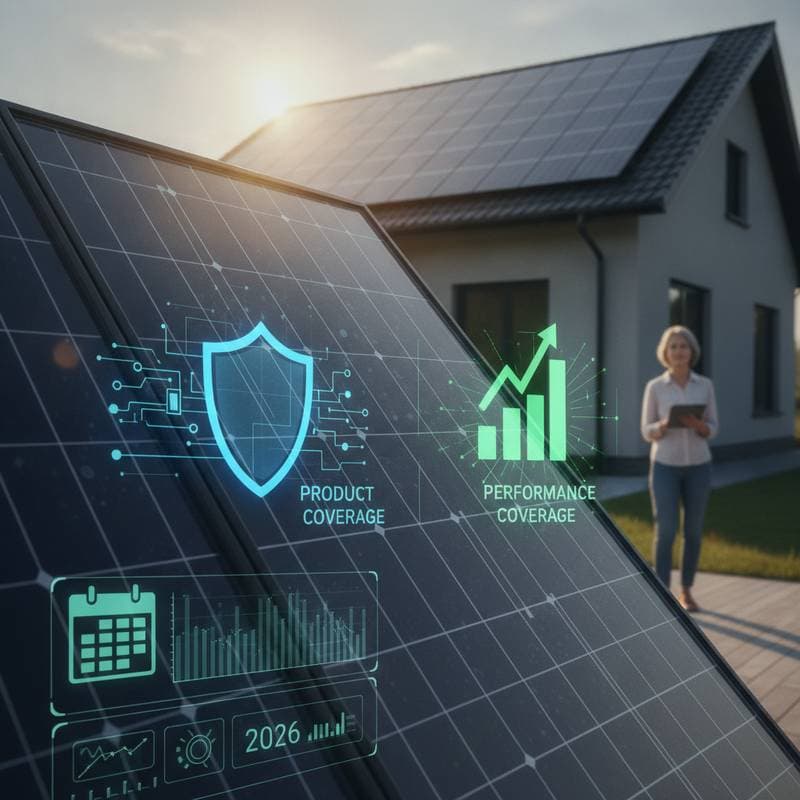
- Contractual obligations specify certified technicians to uphold warranty validity.
Distinct Advantages of Professional Intervention
Certified solar experts perform comprehensive tests on current flow, thermal imaging for hidden hotspots, and ground fault analysis. They ensure adherence to local building codes, particularly for mounting stability and waterproofing, which DIY approaches often overlook.
Routine Maintenance Practices for Prevention
Recommended Schedule
- Panel cleaning: Biannually, or quarterly in high-debris zones.
- Full system inspection: Annually by qualified personnel.
- Inverter and battery diagnostics: Every five to ten years, or upon performance alerts.
Core Tasks
- Rinse panels using deionized water to prevent mineral spots.
- Measure and log electrical generation against expected benchmarks.
- Secure all fasteners and protective enclosures against vibration.
- Clear surrounding gutters and drainage to mitigate water pooling.
Expected Results
Consistent energy production, reduced risk of voided warranties, and achievement of the system's projected 25- to 30-year service life.
Alternative Approaches to Upkeep
1. Comprehensive Service Contracts
Ideal for homeowners with limited time, these agreements cover scheduled cleanings, inspections, and minor repairs for a fixed yearly premium. While upfront costs range from $400 to $800, they eliminate variable expenses and provide priority response for issues.
2. Advanced Monitoring Technologies
Suited to those embracing digital solutions, these systems deploy sensors for real-time data on output, temperature, and faults. Subscription fees around $10 to $20 monthly enable predictive alerts, allowing timely interventions before minor problems escalate.
3. Leasing Arrangements with Included Maintenance
Perfect for risk-averse users, solar leases shift ownership and all upkeep responsibilities to the provider. Monthly payments cover generated energy without capital outlay, though participants forgo federal incentives like the investment tax credit.
Frequently Asked Questions
How frequently must solar panels receive cleaning?
Most installations benefit from cleaning twice annually. Increase to monthly in areas prone to heavy tree cover, agricultural dust, or urban construction.
Is system shutdown necessary prior to cleaning?
Affirmative. Isolate power through the designated disconnect to safeguard against electrical hazards.
Does a pressure washer pose risks to panels?
Utilize only low-pressure settings below 1,200 PSI. Excessive force risks fracturing glass or dislodging seals, leading to leaks or reduced waterproofing.
How should leaks beneath panel mounts be addressed?
Contact a licensed roofer alongside the original solar installer immediately. Unresolved moisture can invalidate both roofing and solar warranties.
Does insurance cover hail or storm-related damage?
Standard homeowner policies typically include such perils, subject to deductibles and specific exclusions. Review coverage details annually.
Do solar panels experience efficiency degradation over time?
Panels degrade at approximately 0.5 percent yearly under normal conditions. Vigilant maintenance mitigates this rate, preserving output close to initial levels.
Are maintenance expenditures tax-deductible?
Generally not for residential setups, though exceptions apply to commercial or income-generating properties. Consult a tax advisor for personalized guidance.
Essential Checklist for Managing Solar Expenses
- Arrange professional inspection annually.
- Perform panel cleaning twice yearly using appropriate methods.
- Record inverter performance metrics each month.
- Examine mounts and seals following severe weather events.
- Review warranty requirements prior to any service engagements.
- Allocate funds for potential inverter or battery upgrades.
- Maintain clear gutters to avoid roof moisture issues.
- Utilize app-based monitoring for ongoing output tracking.
Securing Long-Term Solar Benefits
Effective solar maintenance transforms a promising investment into a reliable asset. Dedicate seasonal time to inspections and cleanings to avert efficiency losses that compound into significant financial drains. Prioritize safety protocols, leverage expert assistance for complex diagnostics, and document every effort. In doing so, homeowners sustain peak performance, protect structural integrity, and realize the full spectrum of energy independence and cost reductions.