Introduction to Solar Panel Maintenance Challenges
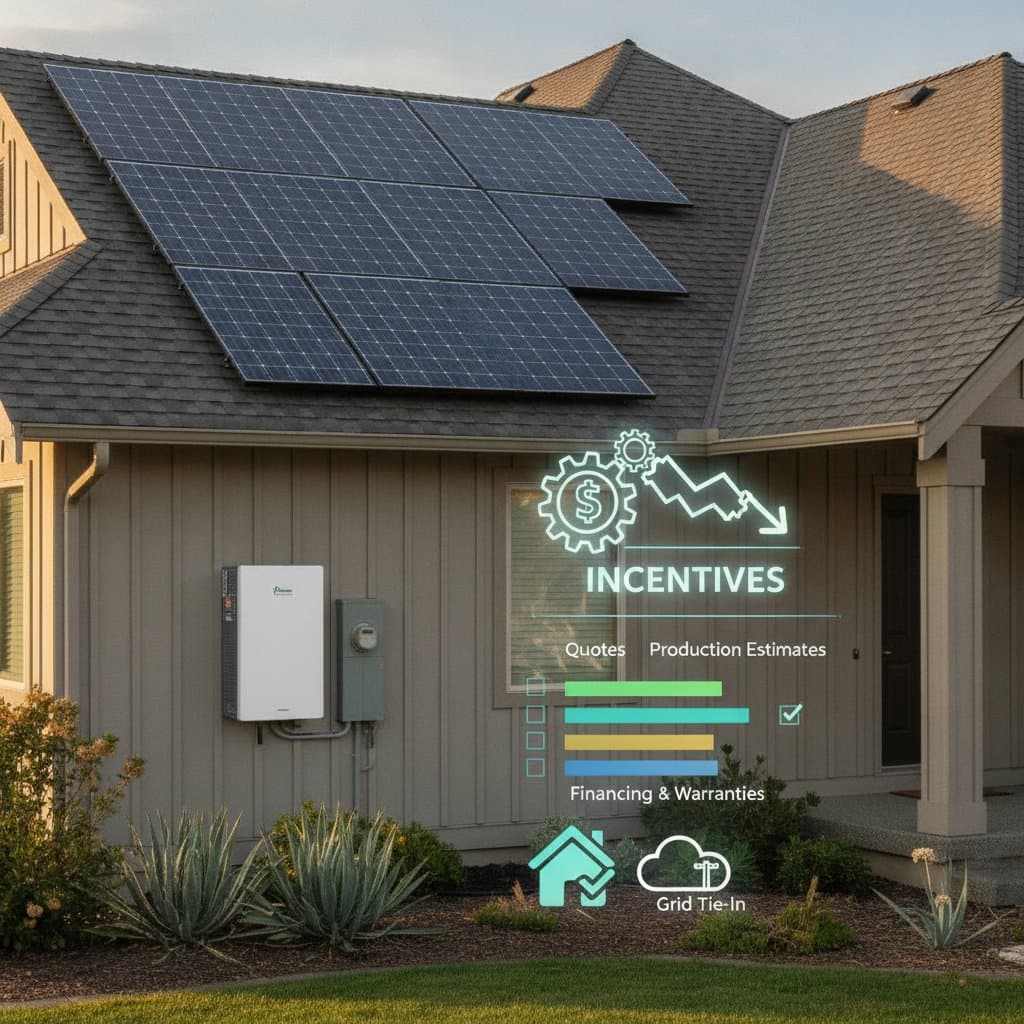
Solar panels promise clean, cost-saving energy for homes, yet maintenance demands often surprise owners. Initial installations highlight long-term savings, but overlooked upkeep expenses erode those benefits over time. By 2026, average annual maintenance costs may climb to $2,500, driven by rising labor rates, part prices, and service complexities.
Understanding these hidden costs requires examining service processes, contract details, and financial projections. Homeowners who ignore these elements risk substantial outlays. This article breaks down key factors and offers practical guidance to manage expenses effectively.
The Service Process and Potential Delays
Solar maintenance typically begins with a diagnostic assessment to identify issues like dirt buildup, inverter faults, or panel degradation. Technicians then schedule repairs, which may involve cleaning, part swaps, or system optimizations. Providers outline this as a streamlined procedure, complete with timelines for response and completion.
In practice, delays frequently arise between initial evaluation and actual service, particularly in peak seasons such as summer or after storms. These postponements compound costs if the system underperforms during the wait, leading to higher energy bills or lost incentives. Homeowners report waits of two to four weeks in high-demand areas, emphasizing the need for proactive scheduling.
To navigate this, select providers with clear service level agreements that specify maximum response times. Document all communications to track progress and hold companies accountable. Such steps minimize downtime and associated financial losses.
Coverage Limitations and Hidden Exclusions
Maintenance agreements frequently contain clauses that restrict coverage for specific damages, including those from environmental factors, structural problems, or external interferences. For instance, policies often sideline issues stemming from severe weather, accumulated debris, or underlying roof conditions. Electrical complications due to faulty initial setups or wildlife activity also fall outside standard protections.
Typical exclusions encompass:
- Impacts from hail, strong winds, or descending tree limbs.
- Failures in wiring or inverters triggered by electrical surges.
- Leaks in roofs that compromise mounting hardware.
- Reductions in efficiency that dip below predefined levels.
Even covered components come with caveats. A policy might supply a replacement inverter priced at $800, yet require owners to pay $300 to $400 for labor and transport separately. This fragmented approach generates numerous consumer grievances, as partial reimbursements fail to address full repair needs.
Review contracts meticulously for these fine-print details. Consult independent experts if terminology proves unclear, ensuring alignment with local regulations and personal risk profiles.
Financial Implications and Long-Term Costs
Assessing the genuine expense of solar ownership demands accounting for regular upkeep alongside unforeseen repairs. Systems designed for 20-year lifespans often necessitate several inverter updates and annual professional cleanings. Across this duration, cumulative maintenance and fix costs could surpass $10,000, varying by regional pricing and installation scale.
Depreciation further influences budgets. Certain plans protect panels only until efficiency wanes past a set point, after which full replacement falls on the owner without support. Such thresholds can inflate total ownership figures far beyond original estimates, underscoring the importance of forward-looking planning.
Consider this illustrative comparison of plan options:
| Coverage Level | Monthly Cost | Service Fee | Coverage Limits | Key Exclusions |
|---|---|---|---|---|
| Basic Plan | $25 to $35 | $75 | Up to $500 per incident | Weather damage, roof issues |
| Premium Plan | $45 to $60 | $100 | Up to $1,500 per incident | Animal damage, wiring faults |
Premium options still limit payouts below major repair thresholds, such as inverter overhauls costing $2,000 or more. Owners thus bear significant uncovered portions, highlighting the value of customized budgeting.
Decision Framework for Homeowners
Homeowners benefit from a systematic approach to weigh maintenance plan viability.
- Calculate expected service frequency. Factor in regional elements like dust levels, pollen counts, or snowfall to predict cleaning and inspection needs.
- Review warranty overlap. Equipment guarantees sometimes incorporate basic upkeep, rendering additional plans superfluous.
- Assess provider reliability. Investigate customer feedback, resolution speeds, and certification status beyond mere pricing.
- Estimate total cost of ownership. Project all anticipated maintenance, replacements, and fees across five to ten years.
- Compare to self-managed savings. Evaluate reserving funds for sporadic fixes versus ongoing premium payments.
This methodical review reveals if a plan truly averts costs or simply postpones them. Tools like online calculators can refine these projections based on specific system details.
Risk Mitigation and Consumer Protection
Homeowners can shield against unforeseen charges and inadequate protections through deliberate actions.
- Request full contract copies before signing. Avoid depending on promotional materials or verbal assurances alone.
- Examine exclusion lists carefully. Scrutinize terms that curtail responsibility for prevalent problems, including inverter malfunctions.
- Verify technician credentials. Ensure qualified, licensed professionals manage electrical and structural tasks.
- Document all maintenance activities. Maintain detailed logs to support claims and uphold warranty terms.
Resolution mechanisms differ across providers. Certain contracts mandate arbitration or bar court actions, constraining recourse if services fall short. Research state consumer laws to understand rights and escalation paths.
Strategies for Sustainable Solar Ownership
Solar power delivers reliable returns when owners approach upkeep with informed strategies. Prioritize plans that match actual risks, such as enhanced weather protections in stormy regions. Regular self-inspections, like quarterly visual checks for debris, complement professional services and extend system life.
Integrate maintenance into broader home energy planning. Pair solar with energy-efficient appliances to offset any interim performance dips. Over time, this holistic management transforms potential burdens into controlled investments.
Ultimately, informed decisions secure the environmental and economic gains of solar adoption. Homeowners who blend vigilance with practical tools enjoy sustained performance without fiscal shocks.