How Much Does Climate Landscaping Cost in 2026?
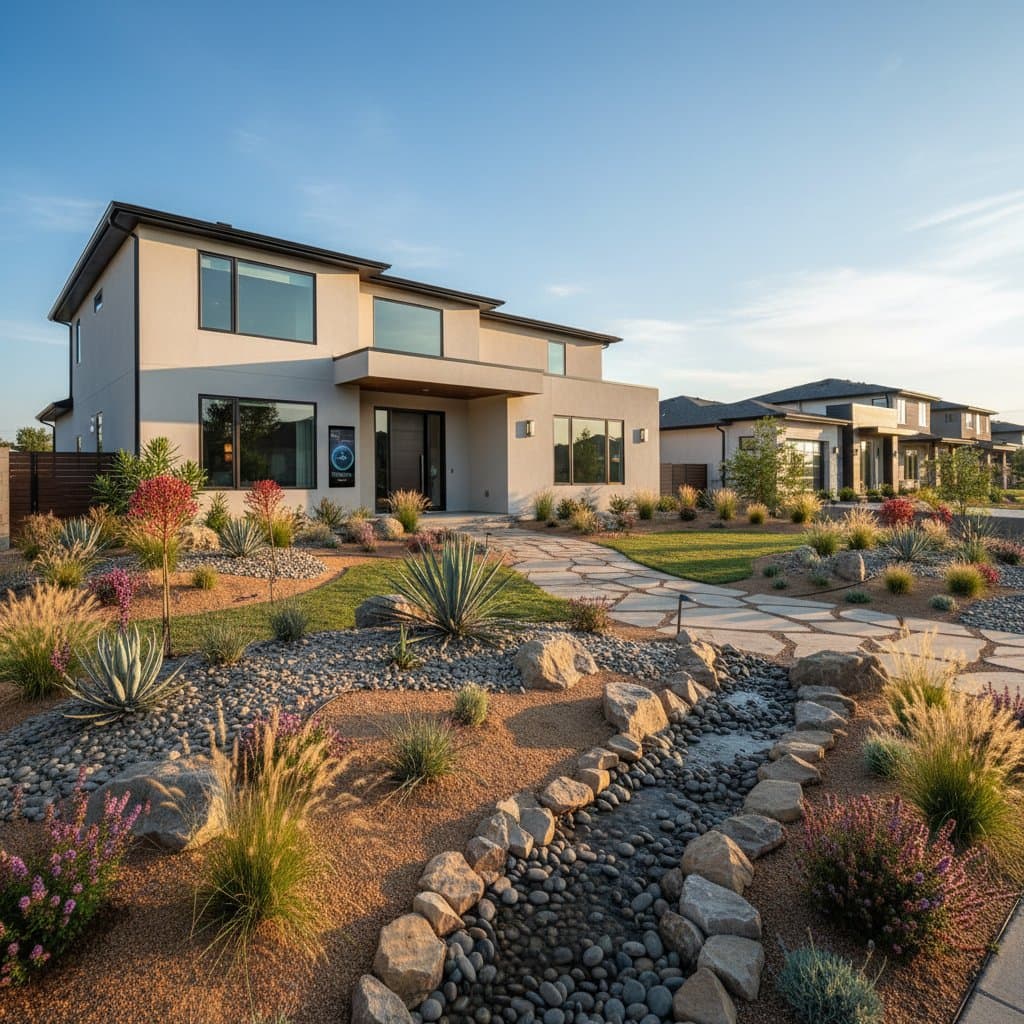
Climate landscaping turns standard yards into resilient spaces that handle extreme weather while using far less water. Professional drought proof projects typically range from 5000 dollars to 25000 dollars. Most homeowners pay about 13000 dollars for a complete residential installation that covers design, native plants, and upgraded irrigation.
Three main elements shape the final price. These are yard size, material quality, and system complexity. Local climate conditions and water rules also play a role by affecting material choices and labor rates. Well planned xeriscaping can cut outdoor water use by as much as 70 percent, which makes it a strong long term investment for many properties.
Homeowners gain lower maintenance needs along with higher property value and better weather resistance. The following sections break down costs and options so readers can plan with clear numbers.
Detailed Cost Breakdown
Pricing rests on several structural parts, each with its own drivers.
Per square foot rates usually fall between 5 dollars and 25 dollars based on soil work, plant spacing, and irrigation needs. Projects under 500 square feet often total 3000 dollars to 6000 dollars. Yards over 2000 square feet can reach 40000 dollars. Most contractors set a minimum charge near 2500 dollars to cover design and delivery.
At the lower end, simple gravel and native grass layouts cost about 5200 dollars. Median projects land near 13000 dollars. Premium work with smart controls and stone features exceeds 22000 dollars.
Size and Scope
Larger areas require more materials and hours. Each extra 100 square feet adds roughly 400 dollars to 700 dollars. A 1000 square foot front yard with succulents, drip lines, and granite typically runs 10000 dollars to 12000 dollars. Doubling the space brings the price near 18000 dollars.
Design plans make up about 10 percent of the total. Irrigation and hardscaping together account for 40 percent.
Material and Quality Levels
Entry level work uses local gravel, native grasses, and basic drip lines. These run 5 dollars to 10 dollars per square foot and need little care for up to ten years.
Mid range designs add plants such as lavender and agave plus timed controllers. Expect 12 dollars to 18 dollars per square foot. Premium versions include boulders, walkways, and moisture sensors at 20 dollars to 25 dollars per square foot. Full payback often arrives within five years through water savings.
Complexity and Location
Slopes, poor soil, or tight access raise costs by 15 to 25 percent. Soil fixes or grading add 1000 dollars to 3000 dollars. Cities like Los Angeles or Phoenix carry a 20 percent labor premium. Rural sites may cost less yet take longer to finish.
Service Packages and Pricing
Basic Drought Proof Package
This option covers site checks, turf removal, drip irrigation, and gravel with native plants. It takes two to three days for a small yard and costs 5000 dollars to 9000 dollars. It fits owners who want lower water bills without added design layers.
Premium Sustainable Package
This version adds custom plans, weather sensing controllers, rock features, flowering plants, shade trees, and solar lights. Prices run 15000 dollars to 25000 dollars. It carries a 40 to 60 percent premium over basic work yet can cut water use by up to 80 percent and lift property value by as much as 10 percent.
Add On Options
- Rainwater collection systems cost 1200 dollars to 3000 dollars and pair well with drip lines.
- Permeable paving runs 2500 dollars to 6000 dollars and limits runoff.
- Solar lighting adds 800 dollars to 2000 dollars for better night visibility.
Bundling several upgrades during one visit saves 10 to 15 percent. Off peak seasons often bring extra discounts.
Professional Work Versus DIY
DIY Material Costs
Owners who handle the job themselves spend 2000 dollars to 6000 dollars on supplies. Plants and shrubs take 500 dollars to 1500 dollars. Gravel and mulch run 400 dollars to 900 dollars. Irrigation kits cost 200 dollars to 600 dollars. Tools add 150 dollars to 400 dollars. The work usually requires 50 to 70 hours. Errors in grading or watering lines can create drainage problems that need later fixes.
Benefits of Hiring Pros
Certified teams handle soil prep, permits, and warranties. They often guarantee plants for 90 days and supply maintenance tips. Bulk pricing and proper equipment help offset labor fees. Professional results usually surpass DIY efforts within three years through lower water and repair bills.
Ways to Reduce Expenses
Schedule work in late winter or early spring when demand drops. This timing can lower labor rates by 10 to 20 percent. Compare at least three written quotes to save an average of 18 percent. Remove old turf before crews arrive to cut 500 dollars to 1000 dollars from the total.
Regional Price Patterns
Western and southwestern states see the highest demand and prices about 25 percent above national averages. Midwest projects often cost less because materials are easier to source. Annual water savings of 400 dollars to 800 dollars are common, and upkeep drops by up to 60 percent compared with turf lawns.
Care After Installation
Check irrigation emitters every three months. Replace mulch once a year and prune plants to support deep roots. A yearly professional visit helps fine tune soil moisture. Composting and careful watering keep the space healthy with little waste. Proper upkeep lets the investment deliver savings and resilience for many seasons.