Home Warranties Cover Climate Tech: What You Need to Know
Quick Take
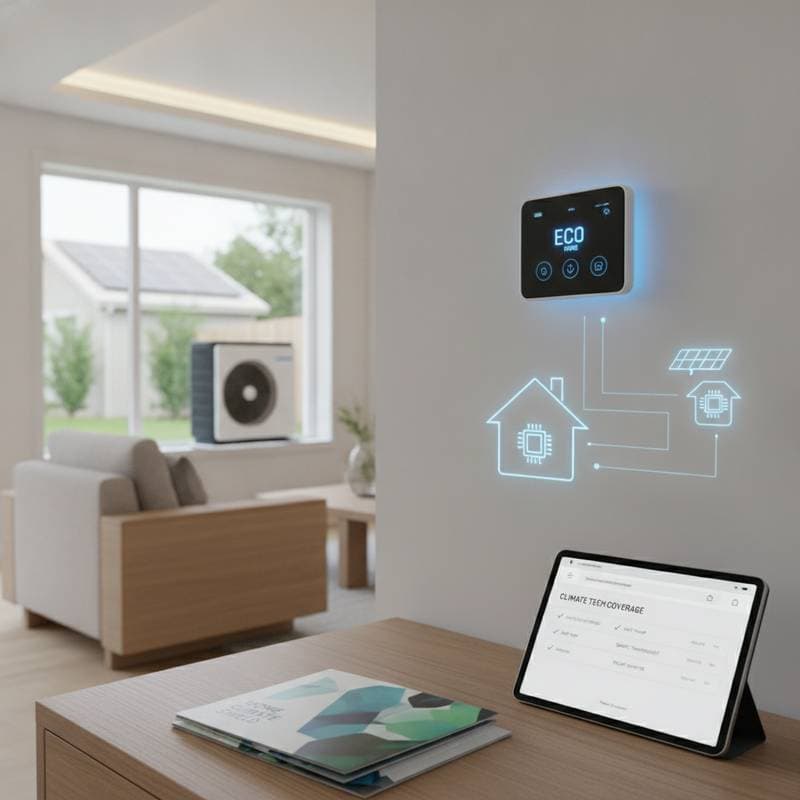
- Some home warranties now include coverage for modern climate systems like heat pumps, smart thermostats, and solar components.
- Coverage varies by provider, so read the fine print before you rely on it.
- A warranty can save you money on repairs, but not all climate tech qualifies for protection.
Pros and Cons
Pros
- Reduces surprise repair costs for complex systems.
- Gives access to trained technicians familiar with newer tech.
- Can boost resale confidence for eco-friendly homes.
Cons
- Coverage may exclude high-cost components like solar panels.
- Claims can be denied if maintenance records are missing.
- Annual fees add up if you rarely make claims.
Step-by-Step: Checking Your Warranty Coverage
Tools and Materials
- Contract or policy documents
- Service records
- Camera or smartphone for documentation
Time: 30 minutes
Difficulty: Easy
- Locate your contract. Find the section labeled Covered Systems or Optional Add-ons.
- Mark climate tech systems. Highlight mentions of HVAC, heat pumps, or solar equipment.
- Read exclusions. Look for fine print about smart devices, controls, or proprietary software.
- Check service limits. Some plans cap payouts per system.
- Contact support. Ask if your specific model or brand is covered. Get answers in writing.
- Document everything. Keep a digital copy of your coverage terms and any updates.
Inspect: Confirm that your plan lists both parts and labor for the systems you rely on.
Clean Up: Store warranty files with your home maintenance records for quick access later.
DIY vs Pro
Safe for DIY
- Reading and comparing policy options.
- Registering new devices with the manufacturer.
- Cleaning filters and checking for visible corrosion.
Hire a pro
- When dealing with refrigerant, high-voltage wiring, or sealed components.
- If your system connects to solar or geothermal loops.
- When code inspection or manufacturer certification is required.
A qualified technician can test system efficiency, identify failing components, and document issues in a way that supports warranty claims.
Alternatives
Extended Manufacturer Warranty
Best for new equipment. Usually covers parts longer than a home warranty but not labor.
Service Contracts from Installers
Best for complex solar or geothermal systems. Offers faster response times and specialized expertise.
Equipment Insurance Rider
Best for high-value homes. Adds coverage for power surges or weather events that most warranties exclude.
FAQs
Does a home warranty cover solar panels?
Usually not the panels themselves, but it may cover the inverter or monitoring equipment.
Can I add climate tech to an existing warranty?
Yes, many providers allow add-ons for heat pumps, smart controls, or energy systems. Expect a higher premium.
Are smart thermostats covered?
Some plans list them under HVAC controls. Others treat them as electronics, so check both sections.
What voids warranty coverage?
DIY wiring, skipped maintenance, or using non-approved parts. Always follow manufacturer rules.
Taking Action on Coverage
Review your policy to confirm which climate systems qualify for coverage today. Schedule maintenance and keep proof of cleanings and inspections for claim support. Compare plans if your current provider skips climate tech and look for one that lists it clearly. Home warranties can work well with modern climate technology when you know what is included and keep your systems in good shape. The right plan protects your investment, supports greener living, and reduces repair stress when your comfort depends on advanced gear.