Home Warranties Embrace Climate Tech: Key Coverages
Quick Take
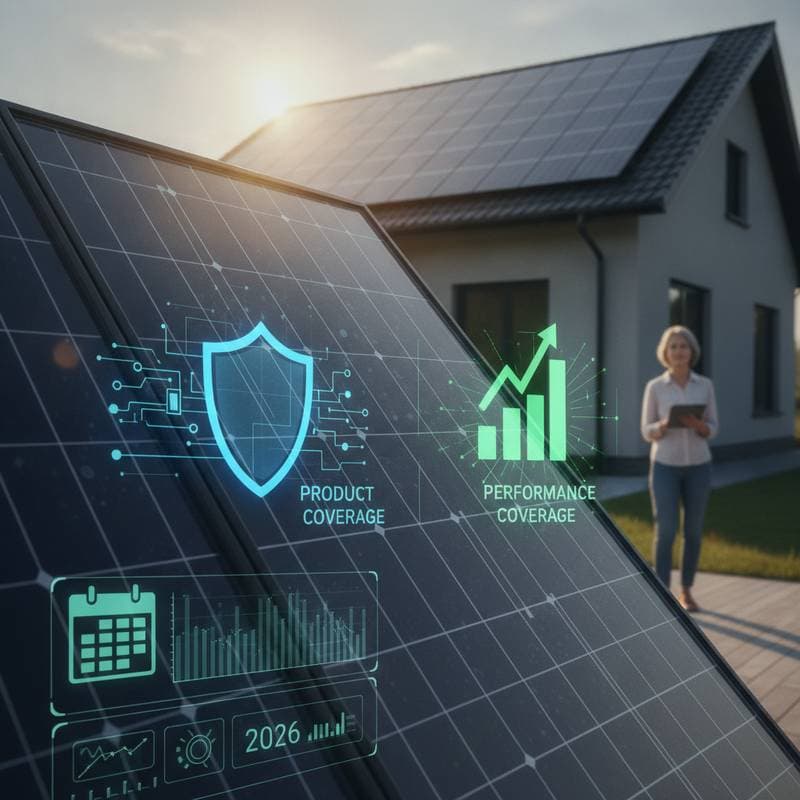
- Modern home warranties increasingly include climate-smart systems such as solar panels, heat pumps, and smart thermostats.
- These plans incorporate terms that emphasize energy efficiency and adherence to sustainability standards.
- Understanding coverage details prevents duplicate expenses on overlapping protections.
Understanding Climate Tech Home Warranties
A climate tech home warranty builds on conventional coverage for systems and appliances by incorporating energy-efficient and climate-resilient installations. These warranties target technologies that minimize energy consumption, control moisture levels, or withstand local weather variations. They address the divide between routine mechanical protections and safeguards for sustainable innovations.
Benefits and Drawbacks
Benefits
- These warranties protect emerging technologies frequently excluded from basic plans.
- They offset repair expenses for intricate components, including solar inverters and intelligent HVAC controls.
- Certain policies offer complimentary energy audits or performance optimizations during service visits.
- By mitigating upgrade risks, they promote investments in eco-friendly enhancements.
Drawbacks
- Premiums rise to account for specialized components and qualified service professionals.
- Coverage options differ significantly across insurers.
- Policies often omit declines in performance or long-term efficiency reductions.
- Claims may require proof of proper installation and ongoing upkeep.
Ideal Scenarios and Potential Pitfalls
When These Warranties Excel
- Installations include solar panels, advanced HVAC setups, or greywater recycling units.
- Residences face frequent weather fluctuations, such as intense heat or heavy storms.
- Homeowners anticipate installing high-efficiency equipment in the near future.
When They Fall Short
- Expectations involve compensation for utility bills or guaranteed energy production.
- Systems lack necessary permits or professional inspections at installation.
- Owners neglect scheduled maintenance or firmware updates.
Step-by-Step Guide: Selecting Climate Tech Coverage
Essential Resources
- Existing home warranty agreement.
- Details on equipment models and installation documentation.
- Estimates from a minimum of two insurance providers.
Estimated Time
2 to 3 hours for comparisons and provider consultations.
Skill Level
Easy to moderate.
- Inventory your sustainable installations, such as solar arrays, geothermal heating loops, low-flow plumbing fixtures, and connected thermostats.
- Examine your present policy for restrictions on renewable energy or advanced efficiency features.
- Contact your current insurer to inquire about supplementary climate tech options.
- Evaluate multi-level plans that specify protections for inverter circuits, control units, or monitoring sensors.
- Analyze service charges, noting potential increases in deductibles for climate-related repairs compared to standard ones.
- Verify the provider's access to certified experts in solar installations or specialized HVAC servicing.
- Assess commitments to data privacy, particularly for devices that collect and transmit household information.
- Finalize enrollment only after a thorough system evaluation, as many require it for eco-installations.
- Maintain electronic records of agreements, receipts, and service histories to support claims.
Expert Advice: Inquire whether the policy extends to surge safeguards or digital recalibrations for networked appliances, which frequently arise in intelligent ecosystems.
Pricing Overview
Standard Annual Range
$700 to $1,600.
Factors Increasing Expenses
- Presence of solar arrays or underground geothermal networks.
- Expanded home size or divided HVAC areas.
- Legacy smart equipment lacking ongoing vendor assistance.
- Elevated caps on per-visit service fees.
Factors Decreasing Expenses
- Combining core and climate-specific protections into one package.
- Recent setups backed by official permits.
- Local incentives for residences with verified energy savings.
Repair Versus Replacement Decisions
Professionals recommend replacement when fixing a part surpasses 50 percent of a newer, superior model's cost. Review payout ceilings in your policy prior to authorizing services, as they may limit expenditures on extensive fixes.
Handling Maintenance: DIY Options and Professional Needs
Tasks Suitable for Homeowners
- Routine filter replacements, thermostat adjustments, and application-based software refreshes.
- Gentle cleaning of solar panel surfaces using lint-free cloths and approved solutions.
- Tracking operational metrics via dedicated mobile interfaces.
Tasks Requiring Specialists
- Any electrical modifications or refrigerant handling.
- Troubleshooting solar inverters or conduit adjustments.
- Replenishing heat pump fluids or repairing buried loops.
Importance of Professional Involvement
Amateur electrical interventions risk invalidating policies and violating building regulations. Insurers mandate licensed personnel to uphold accountability and safety standards.
Ongoing Maintenance Strategies
Recommended Schedule
Every 3 to 6 months, adjusted for specific technology demands.
Core Activities
- Wipe and examine solar panels with purified water and microfiber tools to avoid scratches.
- Swap HVAC filters according to exact manufacturer guidelines for optimal airflow.
- Inspect seals and ventilation pathways to eliminate energy-draining gaps.
- Apply the latest firmware patches to sustain device security and operational peak.
- Document all activities with timestamps, invoices, and visual evidence for claim validation.
Expected Results
Regular attention prolongs equipment durability and safeguards against claim rejections stemming from oversight.
Alternative Protection Options
Energy-Efficiency Insurance
Suitable for properties linked to power generation contracts with utilities. This compensates for productivity interruptions during outages. However, it involves steeper rates and reduced scope for household appliances.
Manufacturer-Extended Warranties
Ideal for recently acquired items under brand-specific programs. They handle components but exclude labor or interconnected setups. Limitations include focused rather than comprehensive shielding.
Service Agreements
Optimal for those seeking fixed upkeep routines. Emphasis lies on preventive adjustments over full overhauls. Drawbacks encompass minimal breakdown safeguards alongside elevated periodic fees.
Frequently Asked Questions
Do these warranties include battery storage solutions?
Select providers cover them, typically encompassing inverters and management units but excluding gradual capacity erosion. Confirm explicit inclusion of storage in the covered items list.
Is a pre-enrollment home inspection mandatory?
Most require it to verify equipment integrity and regulatory adherence.
How does this impact property marketability?
Transferable policies appeal to environmentally aware purchasers, potentially elevating sale prices.
Are connected home devices protected?
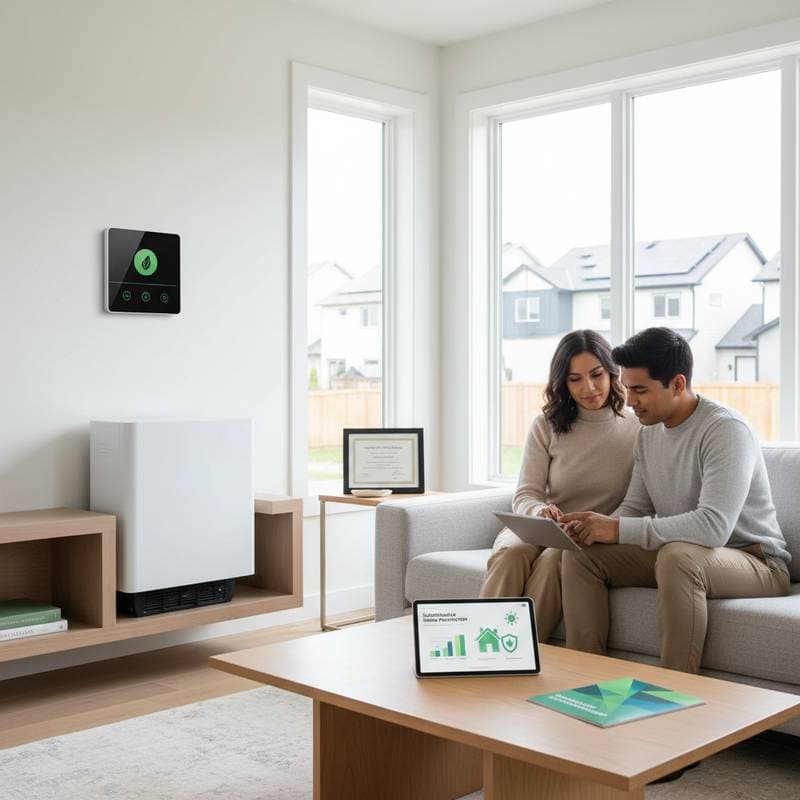
Policies frequently encompass thermostats, moisture detectors, and control centers that regulate primary functions. Isolated accessories might not qualify.
Can claims address lost energy savings?
No, focus remains on hardware malfunctions or programming errors, not production shortfalls or efficiency drops.
What actions nullify coverage?
Non-approved fixes, ignored servicing, or uncredentialed setups commonly lead to denied requests.
Actionable Checklist for Immediate Steps
- Examine your active warranty for any sustainability-related omissions.
- Catalog every energy-saving or weather-resilient feature in your residence.
- Solicit coverage proposals from no fewer than two specialized providers.
- Confirm credentials of service teams and boundaries of their offerings.
- Arrange necessary evaluations prior to committing to a policy.
- Program alerts for periodic checks and technological refreshes.
Securing Your Green Home Investment
Integrating climate technologies into everyday residences marks a shift toward widespread adoption. A tailored warranty aligns protection with these advancements, minimizing financial burdens during malfunctions. Begin by cataloging your assets, estimating repair outlays, and identifying components that demand expert handling.
For existing standard warranties, explore add-on modules for climate features, often available at reduced combined rates. During new constructions or renovations, prioritize installations with certified performance data and robust vendor backing to streamline future claims. Active management of records fosters a collaborative dynamic with your insurer and technicians, ensuring sustained efficiency, controlled costs, and resilience to environmental pressures.