Understanding AI HVAC Systems and Their Value
AI HVAC systems integrate artificial intelligence to optimize heating, ventilation, and air conditioning in residential settings. These systems analyze occupancy patterns, weather data, and energy usage to adjust operations dynamically. Unlike traditional setups, they learn from daily routines to minimize waste while maintaining comfort levels.
The appeal lies in potential energy savings of 15 to 30 percent, which could translate to significant reductions in utility bills by 2026. Projections indicate that as energy prices rise, the return on investment for these systems will shorten. This section explores the core components and benefits to help homeowners evaluate suitability.
Key Advantages and Drawbacks
AI HVAC systems offer several advantages that enhance efficiency and convenience.
Advantages
- Reduce energy consumption by 15 to 30 percent through precise tuning based on real-time data.
- Maintain consistent comfort by automatically balancing temperatures across multiple rooms.
- Provide early alerts for maintenance needs, preventing costly breakdowns.
- Prolong equipment lifespan with optimized operating cycles that avoid unnecessary strain.
However, these systems present certain challenges.
Drawbacks
- Involve higher initial expenses, often twice that of conventional systems.
- Depend on reliable Wi-Fi and cloud services for full functionality.
- Require expert setup to ensure proper calibration.
- May incur ongoing costs for software updates or subscriptions.
Ideal Applications
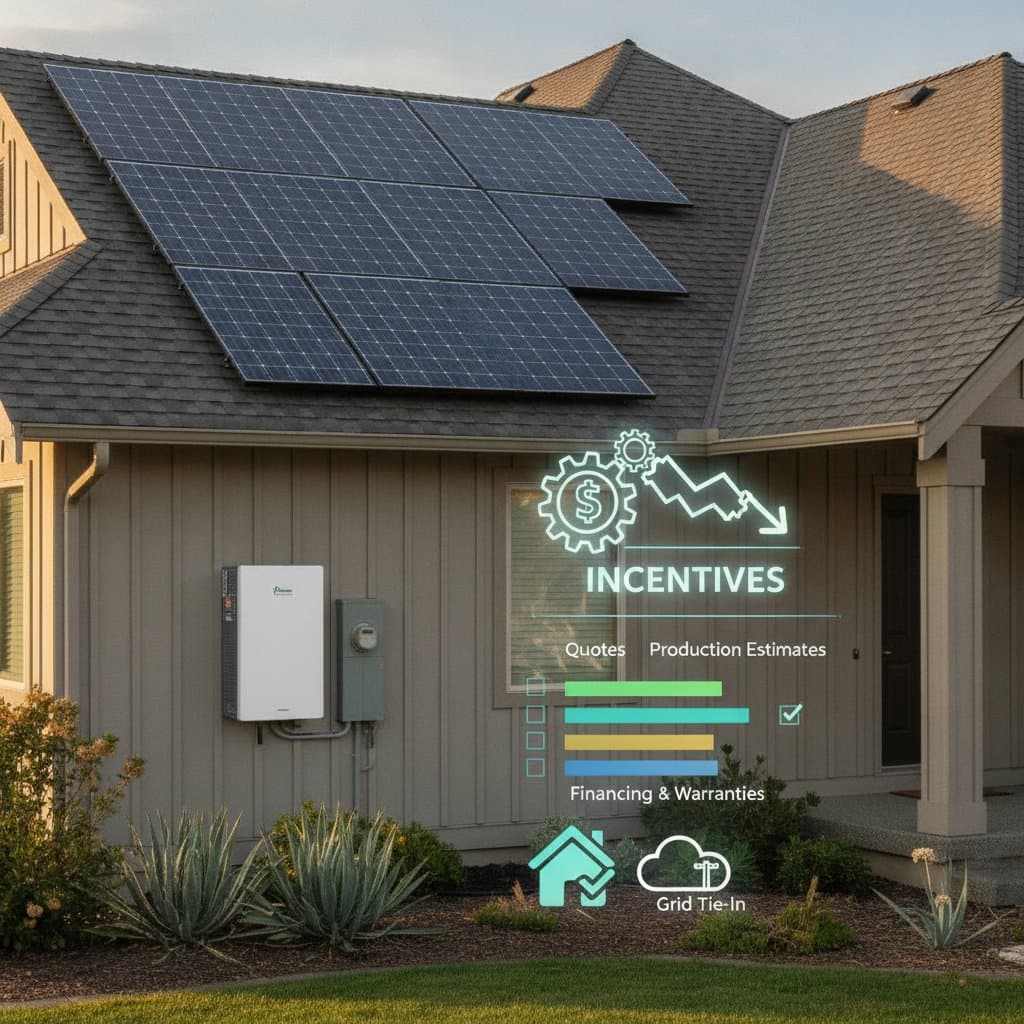
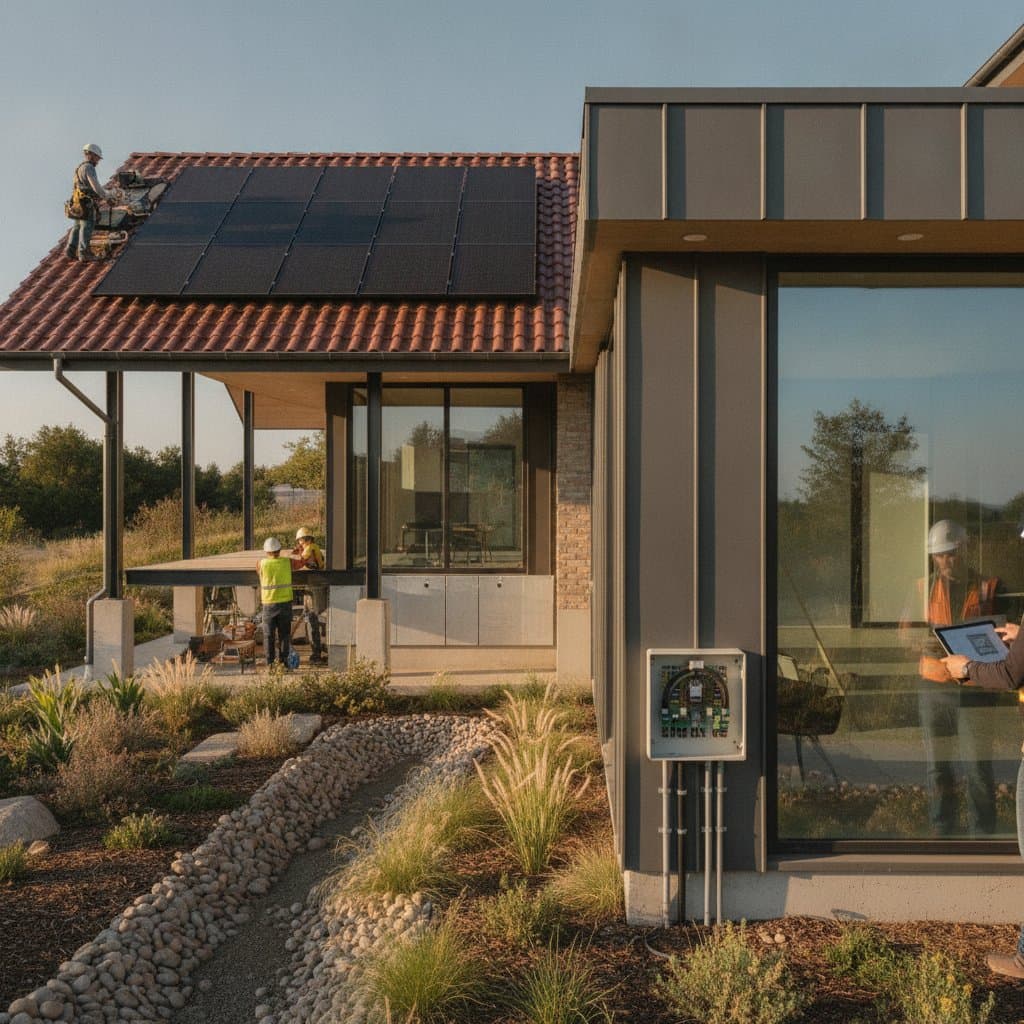
AI HVAC excels in homes with varied occupancy, multiple zones, or integration with renewable energy sources like solar panels. Owners who plan to remain in their property for at least five years will realize the most value. In contrast, small apartments or single-zone homes may not justify the upgrade due to simpler control needs.
Detailed Installation Process
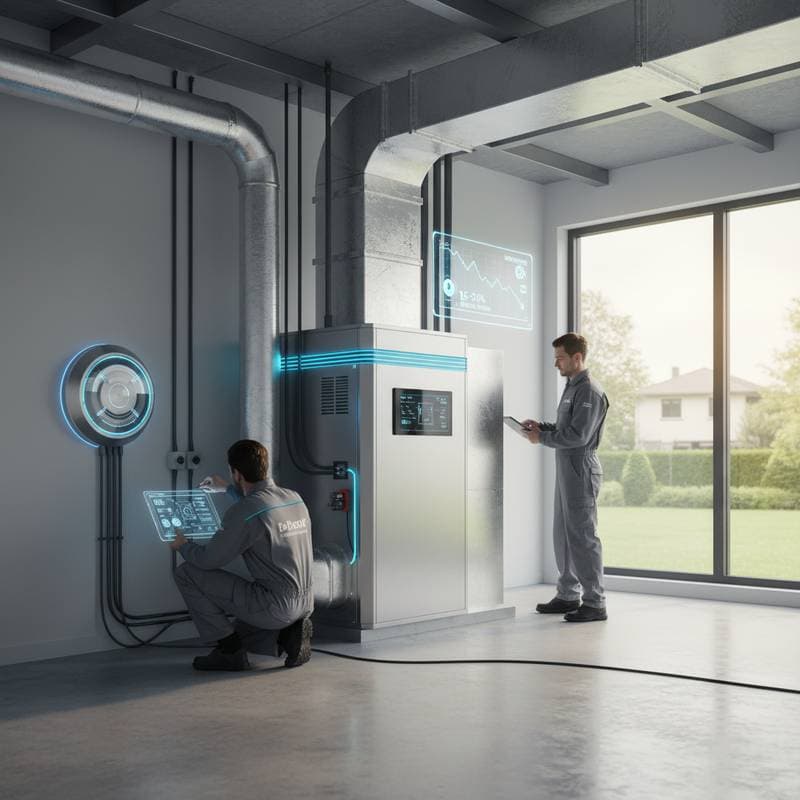
Installing an AI HVAC system demands careful planning to achieve optimal performance. Professionals follow a structured approach to integrate components seamlessly.
Preparation Essentials
Before starting, gather gloves, safety glasses, a respirator for dusty areas, and insulated tools for electrical work.
- Assess Current Setup – Evaluate the existing system's capacity, duct integrity, and electrical infrastructure to identify compatibility issues.
- Plan System Design – Perform load calculations using established methods like Manual J for sizing and Manual D for ductwork, incorporating zoning requirements.
- Remove Legacy Equipment – Safely evacuate refrigerant in compliance with regulations, then disconnect the old air handler or furnace.
- Position New Units – Install the outdoor condenser, indoor air handler, and AI control modules in designated locations.
- Deploy Sensors and Dampers – Place sensors for occupancy, humidity, and temperature in each zone, along with smart dampers to regulate airflow.
- Integrate Control Hub – Connect the central hub to the home Wi-Fi network and test for stable connectivity.
- Configure Software – Calibrate all sensors, balance airflow, and initiate the system's adaptive learning process.
- Conduct Final Checks – Confirm refrigerant levels, airflow distribution, and thermostat responsiveness.
A qualified team typically completes a comprehensive installation in two to three days. For retrofits focusing on controls, expect one full day of work.
Common Pitfalls and Prevention Strategies
Avoiding errors during and after installation preserves the system's efficiency.
- Neglect Load Calculations – Incorrect sizing leads to inefficiency and premature wear; always base decisions on precise assessments.
- Overlook Network Strength – Unstable Wi-Fi disrupts AI functions like remote monitoring; upgrade internet if necessary.
- Combine Incompatible Parts – Retrofitting old units with new AI elements can hinder performance; opt for full replacements when feasible.
- Underestimate Learning Period – Allow several weeks for the AI to refine operations based on usage patterns.
- Ignore Routine Upkeep – Clogged filters or coils impair sensor accuracy; schedule regular cleanings to sustain predictive capabilities.
Professional Installation Versus Self-Installation
Treat AI HVAC projects as professional endeavors due to the technical demands involved. Handling refrigerants, wiring, and software requires specialized expertise to comply with safety standards.
Limited DIY tasks include basic maintenance like replacing filters or configuring app settings. For core installation, engage licensed HVAC technicians.
Decision Criteria for DIY
- Expertise Level – Demand proficiency in HVAC principles, electrical systems, and network configuration.
- Risk Factors – Involve moderate to high hazards from high voltage and chemical exposure.
- Equipment Needs – Require tools such as manifold gauges, vacuum pumps, and diagnostic software.
Comparative Overview
The following table highlights differences between standard, smart, and AI HVAC options to aid decision-making.
| Aspect | Standard HVAC | Smart Thermostat | Full AI HVAC | Key Differences |
|---|---|---|---|---|
| Initial Cost | $7,000 - $12,000 | $200 - $600 | $10,000 - $20,000 | AI includes advanced sensors and AI processing |
| Savings Potential | 5 - 10% | 10 - 15% | 15 - 30% | AI adapts to habits for greater efficiency |
| Alert System | Manual checks | Basic notifications | Predictive analytics | AI forecasts issues proactively |
| Comfort Management | Single-zone control | Basic zoning | Multi-zone adaptation | AI equalizes conditions dynamically |
| ROI Timeline | 8 - 12 years | 6 - 9 years | 6 - 10 years | Quicker returns in high-energy-cost regions |
Assessing Readiness for Upgrade
Before committing to an AI HVAC system, review this checklist to confirm alignment with your needs.
- Verify current energy bills exceed average thresholds to ensure savings potential.
- Assess home layout for multi-zone feasibility and Wi-Fi coverage.
- Calculate projected ROI using local utility rates and expected lifespan.
- Consult a certified installer for a site-specific audit.
- Review warranty details and subscription requirements.
- Plan for integration with existing smart home devices.
Realizing Long-Term Benefits
Upgrading to AI HVAC positions homeowners for sustained savings and comfort. By 2026, advancements in AI will further enhance predictive features, accelerating payback periods. Focus on professional guidance to maximize returns and avoid common oversights, ensuring the system delivers reliable performance for years ahead.