How Much Does an ADU Cost? 2025 Pricing Guide
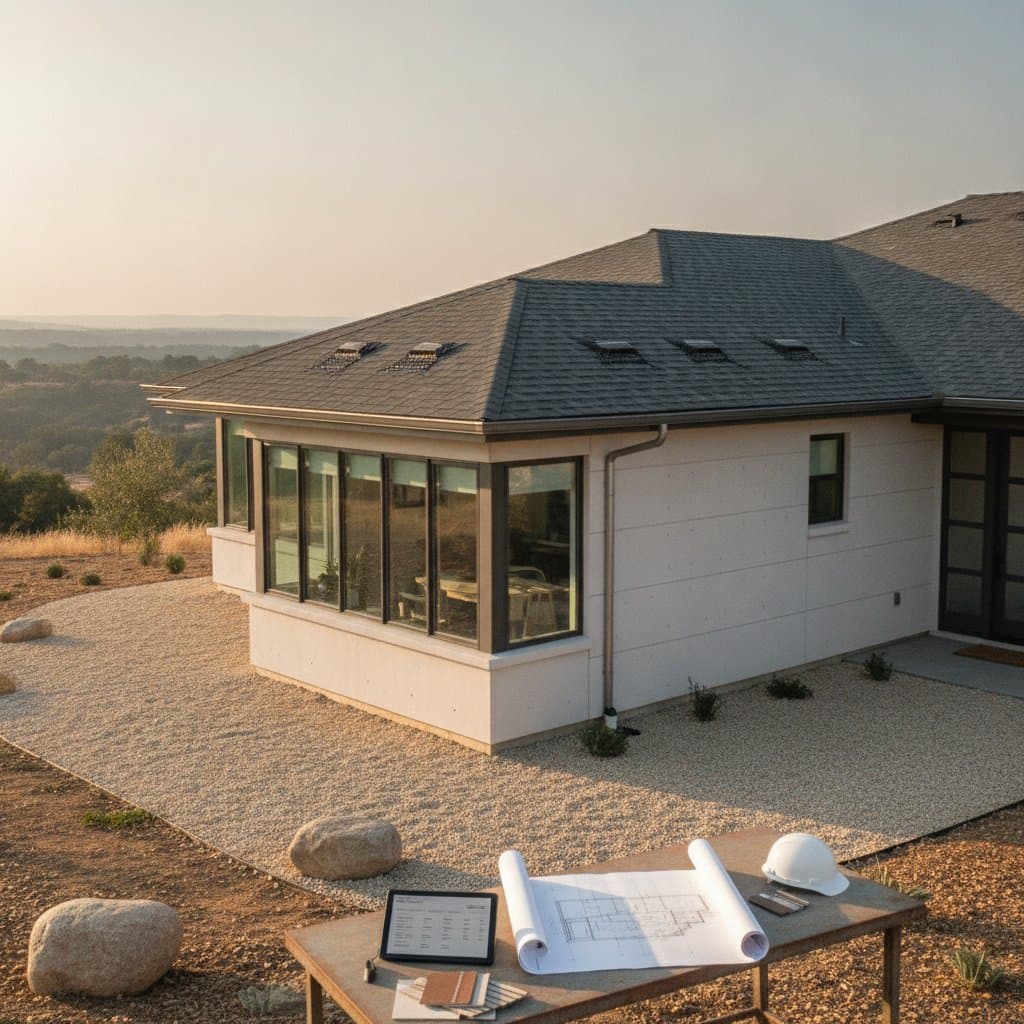
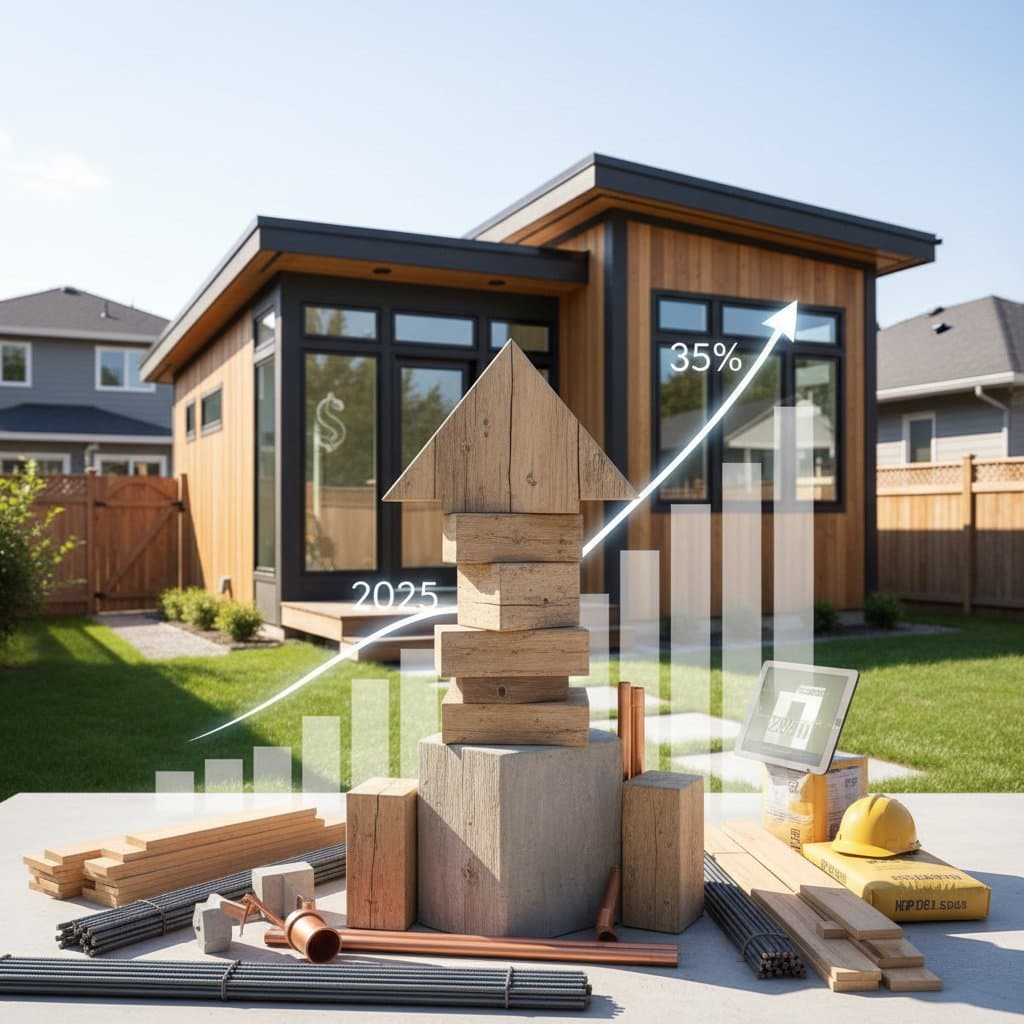
Accessory Dwelling Units, or ADUs, expand property possibilities for homeowners. These structures serve as rental suites, home offices, or spaces for multigenerational living, providing flexibility and enduring value. Professional construction for ADUs ranges from $150,000 to $400,000, with the average for a standard backyard unit at $275,000. This figure reflects a 35 percent increase over prior years, stemming from material inflation, labor shortages, and enhanced building codes.
Three primary factors shape overall expenses: size and design complexity, material and finish quality, and local permitting or site conditions. In urban areas with elevated labor rates and constrained lots, costs trend toward the higher end. Data from the National Association of Home Builders indicates that well-constructed ADUs boost property values by as much as 20 percent, positioning them as highly effective residential enhancements when approached with care. Grasping current pricing dynamics equips homeowners to budget wisely, sidestep expensive errors, and optimize returns.
Detailed Cost Breakdown
ADU expenses hinge on square footage, materials, and construction type. Current rates span $300 to $600 per square foot, with detached units commanding the highest prices. Garage or basement conversions begin near $100,000, whereas new standalone ADUs frequently exceed $300,000. Licensed contractors impose a minimum fee of $25,000 to cover design, permitting, and initial setup.
At the 25th percentile, modest garage conversions average $150,000. Mid-range detached builds, at the 50th percentile, average $275,000. High-end versions with luxury finishes, at the 75th percentile, surpass $400,000. Regional requirements, such as seismic reinforcements or energy standards, further elevate totals.
Size and Scope Factor
Size drives costs most significantly. Each additional 100 square feet contributes $30,000 to $50,000, varying by build type. A 400-square-foot studio might total $160,000, while an 800-square-foot one-bedroom averages $300,000. BuildZoom data reveals that detached ADUs over 1,000 square feet often top $400,000, owing to expanded foundations and utilities.
Compact designs prove economical for income generation. Consider a 500-square-foot ADU leased at $2,000 monthly; it recovers costs in slightly more than ten years with steady tenancy, yielding strong returns in residential real estate.
Material and Quality Tiers
Choices in materials influence both expense and longevity.
Entry-level options incorporate vinyl windows, standard drywall, and composite roofing. These yield $300 to $350 per square foot, with basic customization and a 15-year lifespan.
Mid-range selections feature James Hardie siding and Milgard windows for superior insulation and aesthetics. Rates fall between $400 and $500 per square foot, enhancing durability and market appeal.
Premium builds integrate metal roofing, bespoke cabinetry, and efficient appliances from Bosch or LG. Costs reach $600 per square foot, yet provide exceptional comfort, lower utility expenses, and warranties over 25 years.
High-end features attract those prioritizing occupancy or rental distinction. Energy-efficient elements cut annual operating costs by 25 percent, gradually recouping upfront investments.
Complexity Variables
Intricate site conditions introduce unforeseen expenses. Sloped terrain necessitates grading or retaining walls, adding $10,000 to $20,000. Restricted vehicle access inflates delivery and labor by $5,000.
Aging properties frequently require electrical or plumbing updates for approvals. Compliance with fire safety, solar mandates, or efficiency standards raises design fees. Locations prone to earthquakes or coastal hazards demand robust foundations and specialized engineering.
Homeowners in California and New York report 20 to 30 percent higher totals than those in interior areas, per community discussions.
Service Types and Comprehensive Pricing
ADU initiatives differ by scope, from simple conversions to elaborate customs.
Basic or Standard Service Package
Standard packages encompass:
- Site preparation and foundation
- Framing, roofing, and exterior work
- Essential plumbing, electrical, and HVAC
- Basic interiors like laminate floors and paint
Projects last three to six months, with labor comprising 35 percent of costs. Detached standard ADUs range from $200,000 to $300,000, influenced by local wages and permits. This approach fits needs for practical space sans extravagance.
Premium or Comprehensive Service
Premium offerings add advanced insulation, custom millwork, architectural input, solar arrays, and refined landscaping. These elevate costs by 25 to 40 percent but trim utilities by up to 30 percent long-term.
Design-build firms such as Mighty Buildings or Cottage quote $350,000 to $450,000 for complete delivery. For rental purposes, premium setups recover premiums in eight to ten years via elevated rents and minimal upkeep.
Add-on Services Matrix
| Add-on Service | Typical Cost | Bundle Savings | Value Benefit |
|---|---|---|---|
| Solar panel installation | $10,000 - $18,000 | 10% with build | Energy independence |
| Custom landscaping | $5,000 - $12,000 | 8% package discount | Curb appeal boost |
| Smart home integration | $3,000 - $6,000 | 5% with premium plan | Enhanced convenience |
| Separate utility metering | $4,000 - $8,000 | N/A | Simplifies rental management |
Integrating add-ons during construction saves 10 to 15 percent versus post-build additions. Coordinated efforts shorten timelines by weeks.
Professional vs. DIY Analysis
DIY Cost Breakdown
Self-builds appeal for savings potential. Materials for a 400-square-foot unit begin at $80,000, sourcing from Home Depot lines like Hampton Bay cabinets and Owens Corning insulation.
Tool rentals add $5,000 for saws, scaffolding, and gear. Professional input for permits and engineering costs $10,000 to $15,000. Overall DIY totals $95,000 to $130,000, excluding personal labor.
Effort spans 600 to 900 hours, equating to $18,000 to $27,000 in opportunity costs at $30 hourly. Errors in foundational or wiring elements lead to repairs or permit denials.
Professional Advantages
Licensed experts finish 40 percent quicker and supply warranties valued at $10,000 to $25,000. Insurance mitigates risks for owners.
Bulk purchasing and equipment access counter labor fees. Compliance navigation and inspection handling streamline processes.
Though initial outlays seem steeper, professionals yield 15 percent lifetime savings via reduced fixes and efficiency.
Actionable Cost-Saving Strategies
Timing Optimization
Costs vary by season. Off-peak scheduling lowers labor by 5 to 10 percent. Midweek operations cut rates further amid subdued demand.
Suppliers provide bulk discounts on items like windows or flooring during transitions to new inventories.
Smart Shopping Tactics
Obtain three bids from certified builders to trim 12 percent, per industry benchmarks. Milestone payments improve control and negotiation.
Direct wholesaler purchases for fixtures save 5 percent additionally. Combined tactics deliver meaningful reductions.
Preparation Actions
Pre-construction steps like vegetation removal or fence adjustments save $1,000 to $3,000 in prep fees.
Explicit contractor dialogues on designs and timelines curb change orders, which inflate bills by 10 percent.
Market Dynamics and Considerations
Geographic Variations
Costs diverge by locale. Coastal cities like San Francisco and Seattle exceed inland spots like Phoenix or Dallas by 25 to 35 percent. Urban permit hurdles and access issues drive premiums, while rural scarcity affects timelines.
Market Timing
Inflation impacts lumber, concrete, and wiring prices steadily. Trade shortages elevate bids in competitive zones.
Enhancing Property Returns
Strategic ADU investments amplify equity and income. Prioritize compliant, efficient designs to leverage 20 percent value gains. Rental yields recoup expenses efficiently, securing financial benefits for years ahead.