Essential Costs for Building an ADU or Granny Flat in 2025
Overview of Costs
Constructing an accessory dwelling unit (ADU) or granny flat in 2025 generally requires an investment of $150,000 to $400,000. This range accounts for variations in unit size, material quality, and regional differences. Smaller attached units often fall toward the lower end, while larger detached structures approach the higher figure.
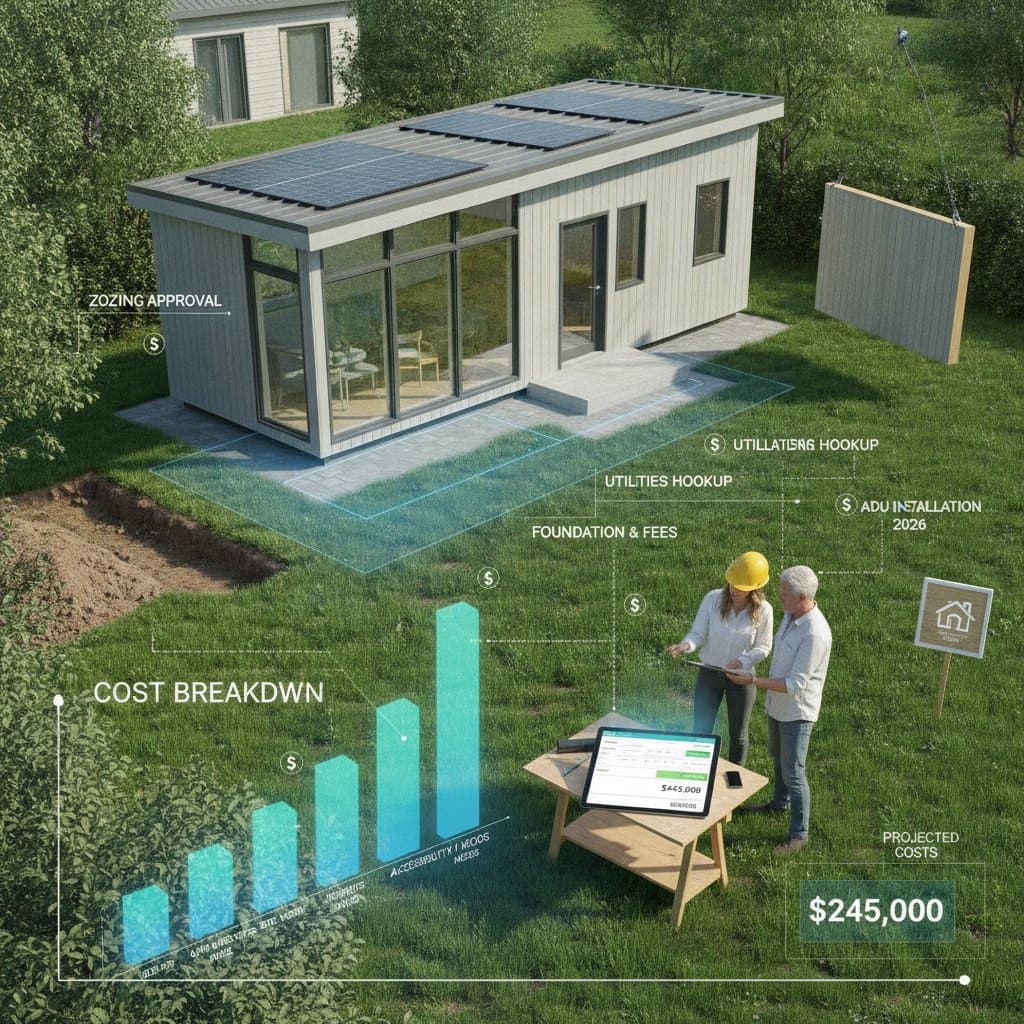
Permits, site preparation, and utility connections frequently add $20,000 to $50,000 beyond the base build. To manage expenses, focus on efficient designs and thorough upfront planning. These steps help align the project with your financial goals and local requirements.
Benefits and Drawbacks
Advantages
- Provides additional living space without purchasing new property.
- Enhances overall home value and generates potential rental revenue.
- Offers separate quarters for family members or visitors, promoting independence.
- Addresses community housing shortages by utilizing existing lots effectively.
Disadvantages
- Involves significant initial expenses and extended approval timelines.
- Often results in increased property taxes following completion.
- Demands compliance with parking, setback, and utility regulations.
- Introduces extra responsibilities for maintenance and insurance premiums.
Step-by-Step Guide to Planning and Construction
Building an ADU demands careful coordination across design, approvals, and execution. The process typically spans 8 to 18 months and requires expertise in local codes and trades. Essential tools include a tape measure for site assessment, architectural software or professional drawings, contractor bids, and permit applications. Safety equipment such as gloves, goggles, and a hard hat protects during on-site activities.
1. Assess Local Regulations
Begin by examining your municipality's ADU policies. These outline maximum sizes, height restrictions, and setback distances from property lines. Determine requirements for fire sprinklers, off-street parking, or independent utility metering to avoid later revisions.
2. Establish a Budget
For a new detached ADU, anticipate $300 to $600 per square foot. Factor in 15 to 25 percent more for ancillary expenses like architectural fees, permitting, and impact assessments. Build in a 10 percent contingency to cover unforeseen issues such as soil complications.
3. Select the ADU Type
Evaluate options based on your lot and needs:
- Detached ADU: A standalone backyard structure offering full independence.
- Attached ADU: An addition connected to the primary residence, sharing a wall.
- Garage conversion: Repurposing an existing garage with minimal new construction.
- Interior conversion: Transforming a basement or attic into habitable space.
4. Engage Design Professionals
Consult an architect or design-build team experienced in ADU projects. They ensure compliance with codes and optimize layouts. Design and engineering services cost $8,000 to $20,000, depending on complexity.
5. Secure Permits
Prepare and submit detailed plans, including site layouts, structural details, energy efficiency reports, and utility schematics. Fees vary from $2,000 to $15,000 by jurisdiction. Allow 4 to 12 weeks for review and approval.
6. Prepare the Site
Clear and grade the area, then trench for utilities. Expenses depend on soil conditions and terrain slope. Implement erosion controls if the site borders waterways or slopes.
7. Erect the Structure
Proceed with foundation work, framing, roofing, and installation of plumbing, electrical, and heating systems. Adhere to residential building standards and pause for required inspections after each phase.
8. Complete Interior Finishes
Apply insulation, hang drywall, lay flooring, and install cabinetry and appliances. Opt for durable mid-range materials to balance quality and affordability without exceeding budget limits.
9. Conduct Final Inspections and Connections
Schedule a comprehensive inspection to certify habitability. Link the unit to gas, electricity, and water services. Equip with smoke alarms and carbon monoxide detectors as mandated.
10. Furnish and Protect the Unit
Select functional furniture suited to the space. Update your homeowner's insurance to include the ADU, or obtain standalone coverage if planning to rent it out.
DIY Elements Versus Professional Services
Suitable for DIY
- Landscaping adjustments, interior painting, and trim installation.
- Cabinet and fixture placement for those with relevant skills.
- Oversight of minor tasks like debris removal and material deliveries.
When to Hire Professionals
- For load-bearing framing, plumbing lines, or wiring installations.
- When certified drawings or engineering calculations are necessary.
- If the build involves zoning variances or fire safety evaluations.
Professionals differ by managing subcontractor schedules, securing timely inspections, and guaranteeing code adherence. They provide liability protection and workmanship warranties, while expertly handling utility integrations to prevent hazards.
Alternative ADU Approaches
Consider these variations to match your property constraints:
- Garage Conversion: Ideal for compact urban sites, leveraging existing foundations and roofs. It reduces costs but constrains floor plans.
- Attached ADU: Integrates with the main house, sharing utilities for savings, though it compromises separation.
- Detached ADU: Delivers maximum flexibility as a freestanding unit, at the premium price due to complete infrastructure needs.
- Modular or Prefabricated ADU: Assembled off-site for quicker deployment and fixed costs, offset by delivery and setup fees.
Budget Checklist
- Measure lot dimensions and identify required clearances.
- Verify municipal ADU guidelines and approval procedures.
- Decide on the unit type: detached, attached, or conversion.
- Develop a detailed budget including a 10 percent buffer.
- Obtain bids from at least three qualified contractors.
- Evaluate funding sources: savings, equity loans, or specialized financing.
- Address utilities upfront to prevent cost overruns.
- Arrange geotechnical and structural assessments.
- Specify resilient, easy-care materials.
- Retain copies of all permits and inspection documents.
Site Suitability Evaluation
Assess these factors to confirm feasibility:
- Available Space: Accommodate setbacks, parking, and pathways.
- Utility Infrastructure: Verify sewer access and power capacity.
- Natural Light: Orient windows to balance privacy and illumination.
- Emergency Access: Maintain routes for fire and medical response.
- Water Management: Direct runoff away from buildings.
Resolve issues in more than two areas prior to proceeding, possibly through grading or utility upgrades.
Funding Strategies
Explore these reliable options:
- Home Equity Line of Credit (HELOC): Offers low rates and draw-as-needed flexibility, contingent on solid equity and credit history.
- Cash-Out Refinance: Secures funds by increasing your mortgage, suitable for owners planning long-term retention.
- Dedicated ADU Loans: Available from select institutions, often linked to anticipated rental returns.
- Construction Loans: Temporary financing that transitions to permanent upon completion.
- Municipal Incentives: Seek grants, fee reductions, or subsidized rates for projects promoting affordability.
Lenders typically require proof of permits, property valuations, and intended use.
Navigating Permits and Compliance
ADUs conform to standards for structural integrity, fire protection, and energy performance. Key processes include:
- Zoning verification for lot compatibility.
- Building permits overseeing construction elements.
- Utility evaluations for load sustainability.
- Phased inspections confirming quality.
Omitting any step risks delays, denied occupancy, or invalidated coverage. Organize documentation meticulously for reference.
Realizing Your ADU Vision
An ADU extends your home's utility, whether for family, income, or flexibility. By prioritizing informed budgeting and regulatory adherence, you minimize risks and amplify returns. Start with a site review today to turn this addition into a lasting asset.