The Evolution of AI in HVAC Systems
Heating, ventilation, and air conditioning (HVAC) technology has advanced significantly with the integration of artificial intelligence. These systems now use machine learning algorithms to predict usage patterns, optimize energy consumption, and maintain precise indoor climates. Homeowners benefit from reduced utility bills and enhanced comfort, yet this complexity introduces new risks that traditional warranties fail to address.
Standard HVAC warranties typically focus on mechanical failures, such as compressor breakdowns or duct leaks. They rarely cover software glitches, firmware updates, or algorithm malfunctions that can disrupt system performance. As AI HVAC adoption grows, especially in smart homes, the need for warranties that encompass digital elements becomes critical. Without such protection, a simple software error could lead to inefficient operation or complete system downtime, resulting in costly repairs.
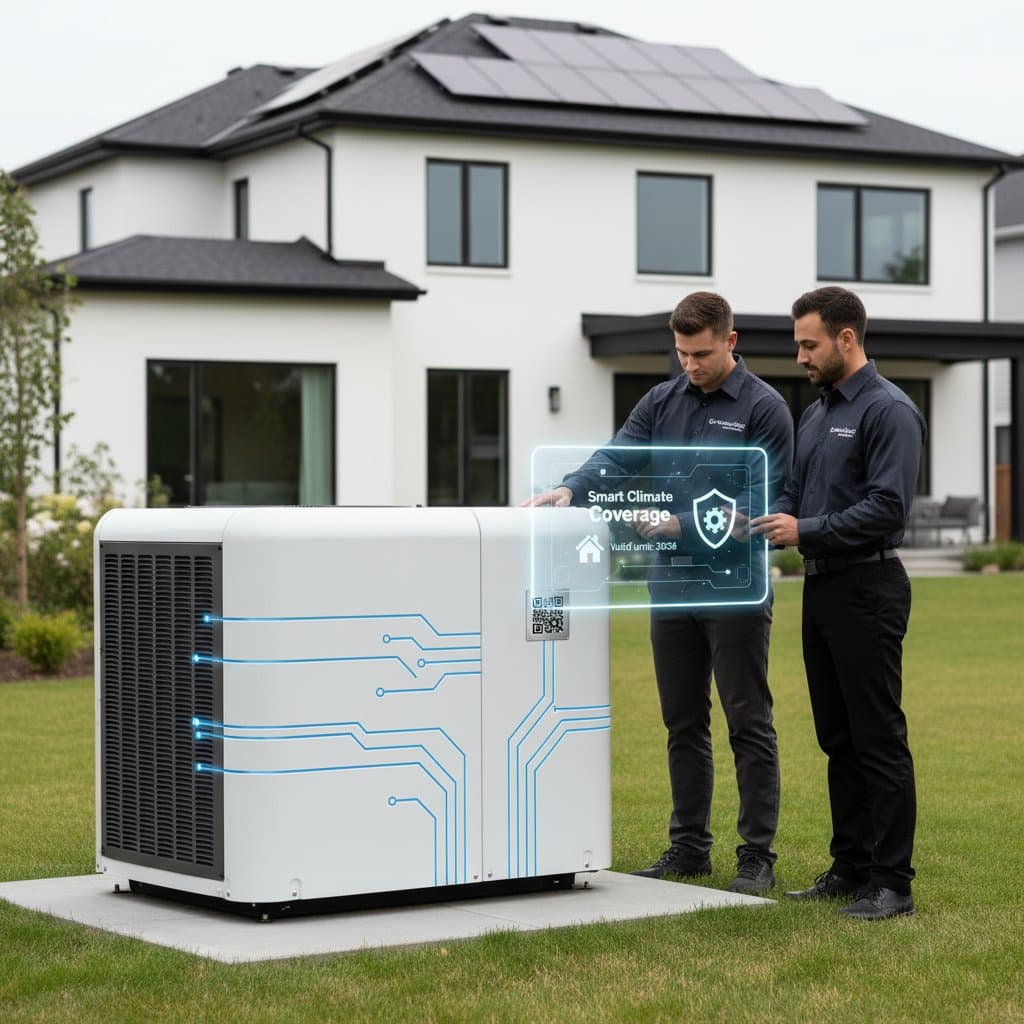
By 2026, industry experts predict that over 70 percent of new HVAC installations will incorporate AI features. This shift demands warranty providers to evolve, offering policies that treat software as an integral part of the system. Homeowners must prioritize these updated coverages to ensure long-term reliability and peace of mind.
Key Components Covered by Software-Ready Warranties
Effective warranties for AI HVAC systems must address the interplay between physical hardware and digital software. Coverage should extend to diagnosing algorithm errors, where predictive models fail to adjust temperatures accurately due to corrupted data inputs. Firmware corruption, often caused by interrupted updates or power surges, requires specialized restoration to prevent cascading failures across the system.
Mechanical aspects remain vital, including handling refrigerant leaks that affect cooling efficiency or electrical components that power sensors and controls. Replacing integrated circuit boards, which house the AI processing units, demands precision to avoid compatibility issues with existing software. These elements highlight why warranties need to specify clear protocols for both diagnostic and repair processes.
Skill Considerations: Intermediate homeowners can handle basic tasks like system registration and routine maintenance. However, software diagnostics and circuit board replacements necessitate intervention from certified technicians to maintain warranty validity and system integrity.
Maintenance, Care, and Lifespan
With diligent maintenance, AI HVAC systems achieve a lifespan of 12 to 18 years, outperforming traditional models by adapting to usage over time. Regular care involves keeping sensors free of dust and debris, which can skew temperature readings and trigger false alerts. Homeowners should promptly apply firmware updates when notified, as these enhancements improve algorithm accuracy and energy optimization.
Monitoring system logs provides early detection of irregular patterns, such as unexpected spikes in energy use. Neglecting maintenance checks can lead to data irregularities that void warranty claims, emphasizing the importance of proactive habits. Integrated maintenance of software and hardware ensures balanced performance and extends overall durability.
Annual Maintenance Tasks:
- Clean or replace air filters to maintain airflow and prevent strain on the compressor.
- Verify and install any available software updates to enhance AI functionalities.
- Inspect thermostat calibration for precise temperature control.
- Check condensate drains for blockages and test fan operation for smooth performance.
Tasks Every Few Years:
- Arrange a professional inspection to assess both mechanical and digital components.
- Review warranty documentation for any updates, additions, or new exclusions that may apply.
Consistent attention to these routines not only preserves warranty coverage but also maximizes the system's efficiency, potentially saving hundreds of dollars annually on energy costs.
Regional and Climate Considerations
Environmental factors play a significant role in the performance and warranty needs of AI HVAC systems. In humid or coastal regions, salt air and moisture accelerate corrosion on sensors and circuit boards, often faster than on traditional mechanical parts. Warranties should explicitly include protection against such environmental damage, covering anti-corrosion treatments or expedited repairs.
Cold climates present challenges for smart heat pumps, where defrost sensors must function reliably to prevent ice buildup. Coverage should extend to these components, ensuring repairs address both hardware resilience and software recalibration for extreme temperatures. In arid areas, dust accumulation can impair sensors, necessitating warranties that account for frequent cleanings.
Extreme weather events increase the demand for software recalibrations, as AI algorithms adapt to shifting conditions like heatwaves or storms. Homeowners in variable climates benefit from policies that incorporate remote diagnostics, allowing technicians to adjust settings without on-site visits. Selecting a warranty tailored to local conditions minimizes unexpected expenses and downtime.
Frequently Asked Questions
Do AI HVAC warranties include software updates?
Many modern policies do, particularly those specifying firmware or algorithm maintenance. If updates operate on a subscription model, verify that the warranty addresses failures arising from update issues, such as compatibility errors.
Can I transfer the warranty when selling my home?
Transferability is common for AI-integrated warranties, often requiring a nominal fee and documentation transfer. This feature appeals to buyers seeking energy-efficient, tech-savvy homes, adding value to the property.
What happens if my Wi-Fi connection fails?
Temporary connectivity disruptions rarely invalidate warranties, but extended outages may hinder updates or data logging. Restore the connection quickly to avoid potential impacts on system monitoring and warranty compliance.
Is an AI HVAC warranty worth the additional cost?
Absolutely, especially for systems dependent on predictive algorithms and cloud-based analytics. The expense of repairing digital components independently often exceeds the warranty premium, providing substantial financial protection.
How do I know if my current warranty suffices?
Examine the policy for mentions of software, AI, or digital diagnostics. If absent, consider upgrading to a comprehensive plan that aligns with your system's technological features.
Securing the Right Protection for Your AI HVAC Investment
AI-driven HVAC systems deliver unmatched comfort and efficiency, yet their reliance on software introduces vulnerabilities beyond mechanical wear. Traditional warranties fall short in this landscape, leaving homeowners exposed to high repair costs for digital failures. To mitigate these risks, evaluate coverage options that integrate protection for algorithms, firmware, and hardware.
Begin by thoroughly reviewing your existing warranty, identifying gaps in software-related clauses. Compare providers offering AI-specific plans, focusing on those with clear terms for diagnostics, updates, and environmental protections. Consult certified installers for recommendations tailored to your home's setup and climate.
Investing in a software-ready warranty not only safeguards your system but also enhances its longevity and performance. This proactive approach ensures seamless operation, lower energy costs, and confidence in your home's climate control for years to come.