Why ADU Costs Will Drop 25% in 2025
Accessory dwelling units, known as ADUs, offer homeowners versatile spaces for family needs, rental opportunities, and increased property value. Recent industry data points to a significant decline in average ADU construction costs, projected to fall by about 25% from previous levels. This reduction stems from targeted improvements in materials, labor, regulations, and financing, rather than fleeting market conditions. To grasp this change, examine the ADU market's core elements, the elimination of past inefficiencies, and the role of stronger consumer protections in fostering cost clarity.
Breaking Down the Cost Structure
To understand ADU pricing, distinguish core construction expenses from less obvious add-ons. Conventional estimates frequently obscure various fees that drive up totals. A detailed examination highlights the sources of this 25% savings.
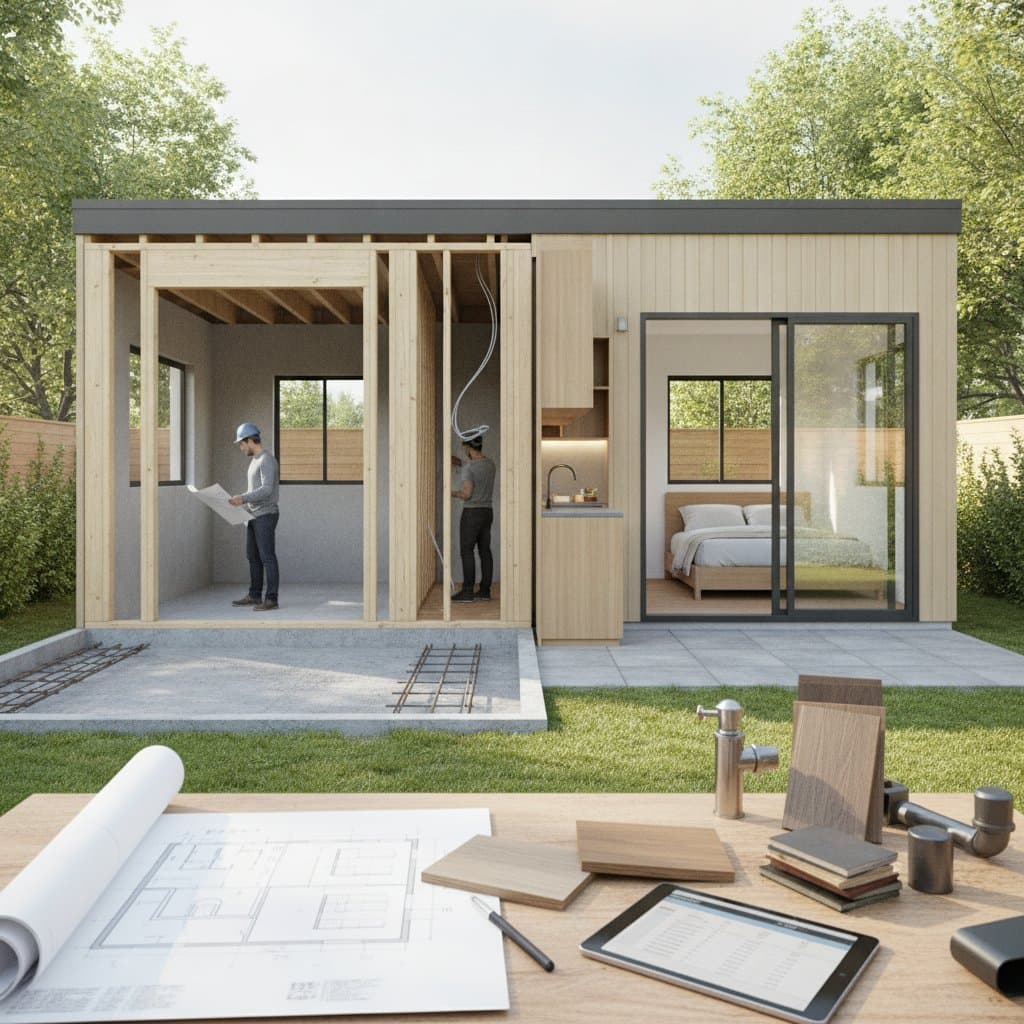
Core construction costs encompass the essential build elements, such as framing, plumbing, electrical systems, insulation, roofing, and interior detailing. In the past, per-square-foot rates stayed elevated because of disjointed supply chains and few specialized contractors. With greater participation from builders in the ADU field, bulk purchasing and specialized labor have driven down both material and workforce expenses.
Supplementary fees typically involve permits, utility connections, and plan adjustments. Numerous local governments have simplified ADU approval processes, which trims paperwork costs and speeds up reviews. These efficiencies reduce not just immediate outlays but also interest expenses on loans by enabling quicker project finishes.
Financing and insurance considerations arise when owners opt for loans or service agreements. Certain loan options now incorporate project monitoring to curb overbilling and surprise modifications.
Ongoing expenses cover upkeep, tax changes, insurance hikes, and rental oversight fees. Notably, although initial costs have fallen, these enduring costs hold steady, which renders overall ownership more foreseeable and manageable.
Navigating Coverage Gaps and Restrictions
Despite lower ADU build prices, terms in service agreements and loans demand thorough scrutiny to avoid surprises.
Typical restrictions encompass:
- Existing site problems, including poor soil stability or obsolete wiring.
- Personalized modifications that stray from standard designs.
- Premium materials exceeding basic offerings.
- Unexpected challenges, such as water flow issues or vegetation clearance.
Owners who overlook preliminary assessments like soil analysis or building checks risk claim rejections or extra repair bills. Always obtain independent reviews of inspection findings to verify that property-specific hazards receive proper attention prior to agreement.
A Step-by-Step Guide for Choosing Builders
Picking an ADU contractor today calls for organized assessment over mere advertising appeal. Compare bids from no fewer than three providers using uniform criteria:
- Per-square-foot base rate, scaled to project size and quality tier.
- Indirect expenses, covering planning, approvals, and checks.
- Timeline adherence, backed by verified past performance data.
- Guarantee details and after-build assistance.
- Loan conditions, such as rates, payment phases, and fee structures.
This methodical approach uncovers not just cost variances but also differences in openness. Providers who break down expenses clearly often handle finances adeptly and earn stronger client feedback.
Evolving Standards in the ADU Sector
The ADU market previously featured scattered quotes and unclear invoicing. Advocacy efforts and stricter rules have elevated disclosure practices. Builders must now furnish uniform breakdowns that isolate labor, supplies, and overhead.
Such reforms compel competition through streamlined operations instead of misleading tactics. Companies dependent on excessive add-ons or concealed profits cede ground to forthright operators. Consequently, the sector benefits from direct pass-through of savings to clients, cultivating a more robust environment.
Safeguarding Your ADU Project
Homeowners embarking on ADU builds should leverage this lower-cost landscape to insist on superior practices, not to tolerate cut corners. Insist on detailed quotes, affirm deadlines, and secure warranty specifics on paper.
Approach the endeavor with investment rigor rather than offhand improvements to realize the full advantages of this pricing shift. The anticipated 25% reduction signals progress in streamlined processes, clear dealings, and owner empowerment. Pair fiscal prudence with precise agreement oversight to add valuable space securely and bolster enduring asset worth.