2026 Granny Flat Surge: What Drives ADU Costs
Accessory dwelling units, commonly called granny flats, represent a key element in contemporary housing solutions. These structures offer versatility, opportunities for rental revenue, and support for multigenerational households. With rising demand projected for 2026, homeowners must navigate intricate financial and regulatory aspects to realize these benefits. This analysis examines the primary factors influencing ADU costs, providing a foundation for informed budgeting and project planning.
Understanding ADU Types and Project Scope
Granny flats vary in configuration, such as standalone backyard units, conversions of existing garages, or extensions integrated with the primary home. Costs differ based on dimensions, architectural intricacy, and integration with current infrastructure like plumbing and electricity. A comprehensive ADU project generally encompasses design and permitting, site groundwork, foundation laying, framing, installation of mechanical systems, interior completion, and concluding inspections.
Homeowners may engage a unified design-build team to oversee all phases or assemble separate specialists for architecture, engineering, and building. To compare bids effectively, specify inclusions explicitly. Turnkey options handle everything from blueprints to final touches, whereas partial services might exclude appliances, landscaping, or cosmetic elements, leaving those tasks to the owner and potentially inflating expenses.
Breaking Down the Core Cost Components
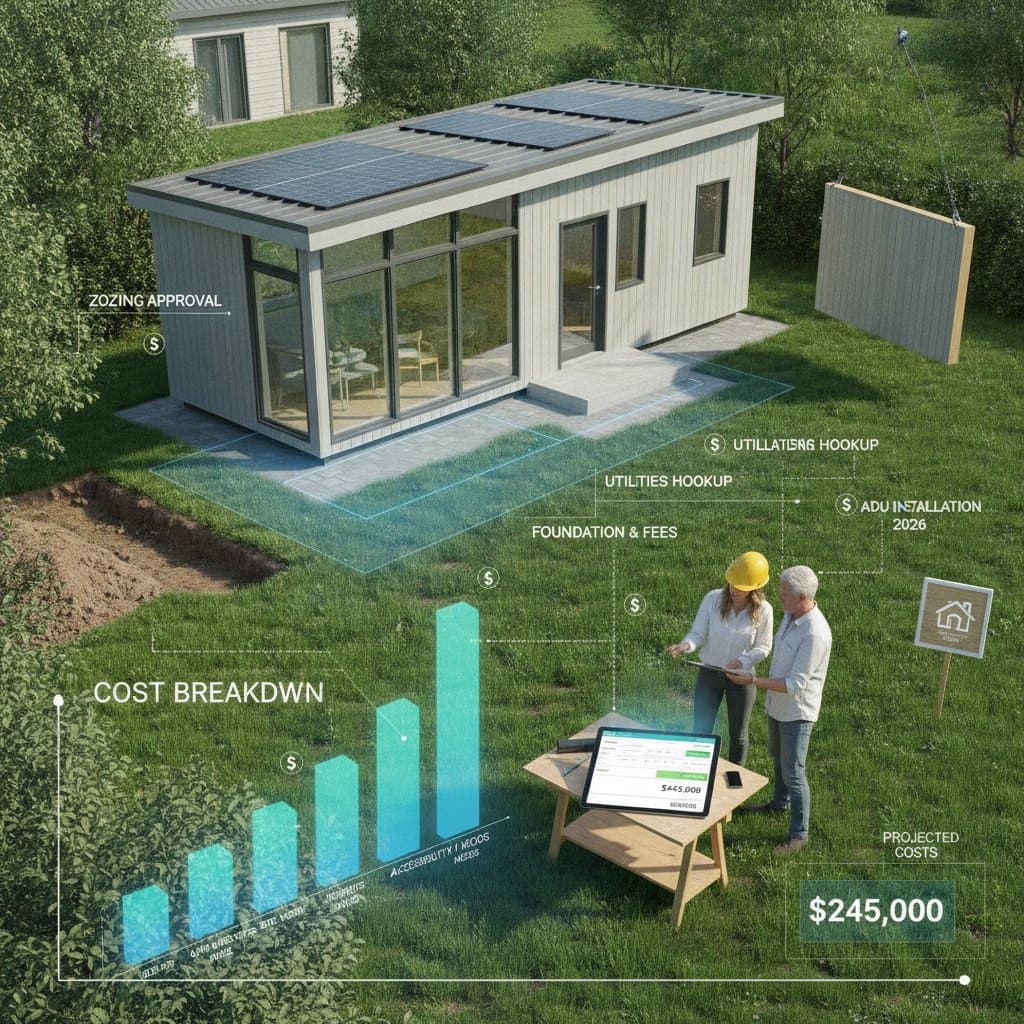
ADU expenses surpass surface-level quotes, encompassing multiple layers that accumulate rapidly. Consider these five essential categories for a realistic projection:
-
Design and permitting expenses: Architectural plans, engineering assessments, and permit submissions form this segment. Local rules can demand 5 to 10 percent of the overall budget here.
-
Core construction outlays: Materials, skilled labor, and specialized trades dominate this area. Rates shift with supply chain dynamics, local labor markets, and resource scarcity.
-
Utility extensions: Linking water, sewage, gas, and power to the unit often incurs substantial fees. In certain regions, these connections rival the expense of outfitting a modest kitchen.
-
Site readiness work: Tasks like land grading, soil reinforcement, and pathway modifications vary by terrain. Challenging slopes or limited entry points necessitate extra equipment and time.
-
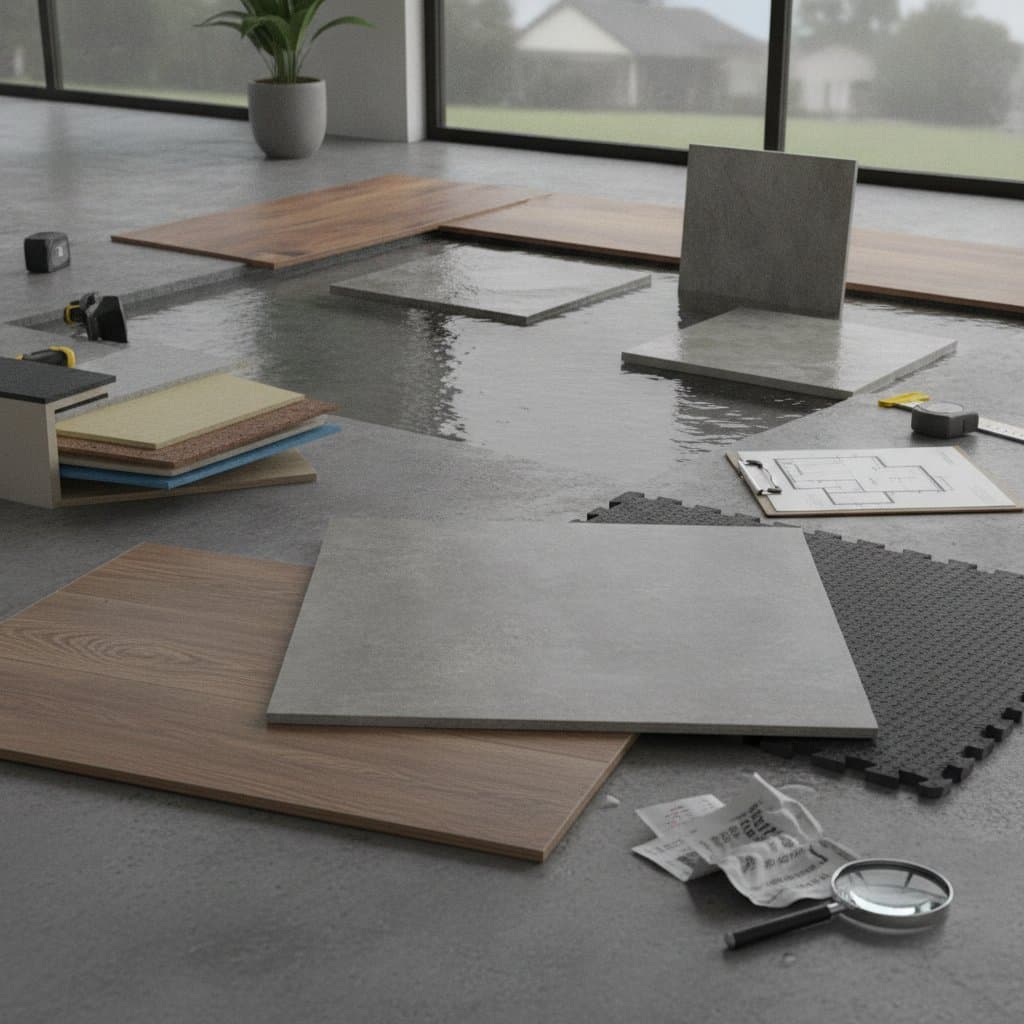
Interior and fixture selections: Choices in flooring, cabinets, illumination, and appliances introduce wide price ranges. Many overlook these, mistaking them for routine remodel costs.
Combined, these factors yield averages from $100,000 for basic conversions to over $300,000 for elaborate detached builds, influenced by location and specifications.
Navigating the Construction Timeline
Building a granny flat proceeds through defined stages, each introducing potential cost escalations:
-
Preliminary consultation: Engage designers or builders to gauge site viability. This involves reviewing zoning restrictions, coverage ratios, and utility feasibility.
-
Site evaluation: Experts survey dimensions, test soil stability, and draft initial sketches. Expect the debut cost projection during this interval.
-
Permitting navigation: Submit designs to authorities, addressing any adjustments for setbacks, elevations, or parking mandates. Delays here amplify administrative burdens.
-
Execution phase: Approved plans trigger building, with payments aligned to benchmarks like foundation pour, skeletal framing, and surface treatments.
-
Completion and compliance: Post-inspection, meet standards for energy efficiency or occupancy records. Warranties from builders may cover defects for a set period.
Document financial duties per phase in agreements to preempt conflicts.
Identifying Contract Exclusions and Limitations
Service agreements often harbor overlooked restrictions that surprise owners. Typical exclusions encompass:
-
Existing site issues: Problems such as poor drainage or obsolete wiring demand pre-project fixes.
-
Substitute materials: Unavailable items prompt swaps, potentially altering quality under contract allowances.
-
Warranty boundaries: Coverage skips normal settling, slight fissures, or aesthetic flaws.
-
Administrative duties: Clauses may shift permit handling to owners, contrary to initial discussions.
Scrutinize terms meticulously. Secure written details on permit oversight, inspections, and documentation to clarify roles and sidestep fee disputes.
Assessing Long-Term Financial Impacts
ADU ownership extends costs beyond completion, factoring in ongoing obligations:
-
Upkeep expenses: Regular attention to roofs, pipes, and climate controls preserves durability and curbs future outlays.
-
Insurance adjustments: Incorporating the unit elevates premiums; rental use may alter policy provisions.
-
Tax reassessments: Completed additions prompt property reevaluations, hiking levies that could diminish income gains.
-
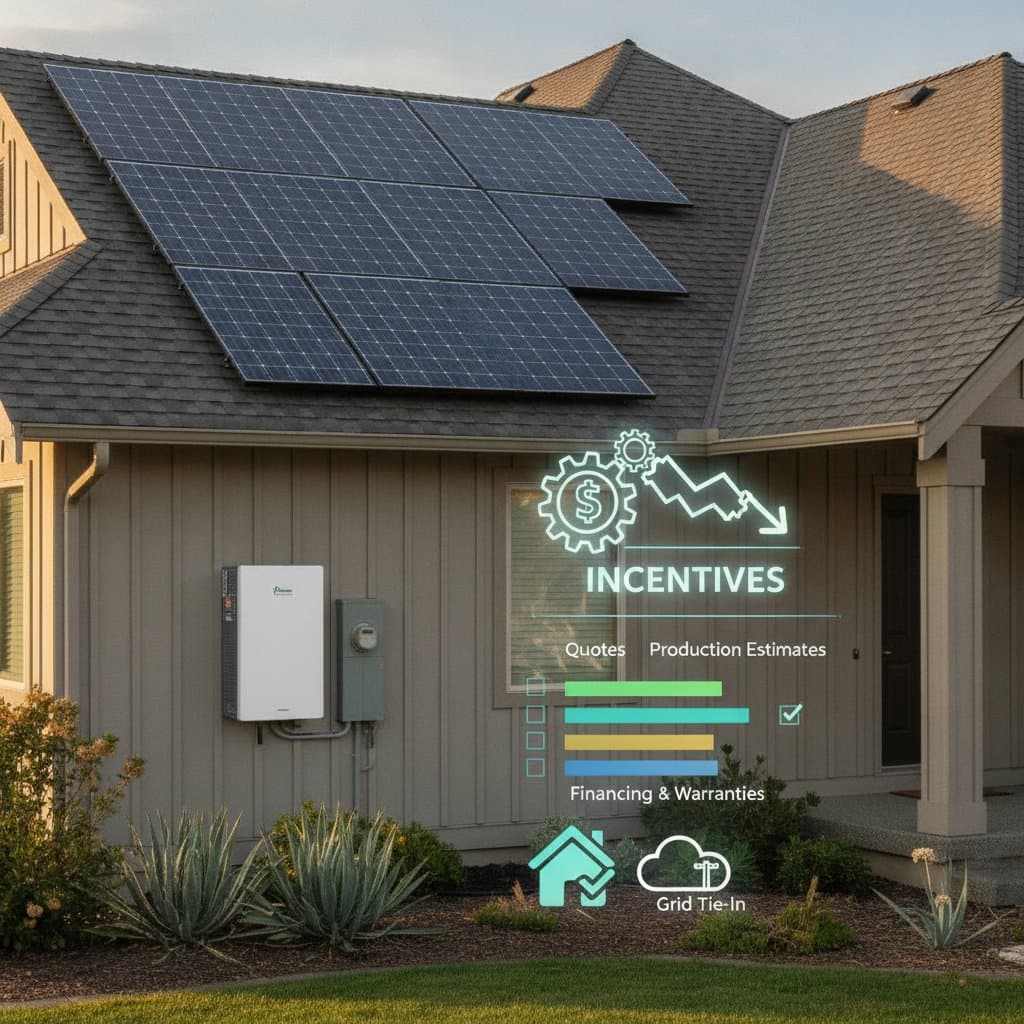
Energy consumption: Independent metering eases billing but raises setup costs; shared lines cut initial spending yet muddle allocations.
Project income versus these elements over five to ten years to gauge viability.
Framework for Selecting ADU Proposals
To evaluate bids systematically, apply this structured approach:
-
Clarify objectives: Prioritize revenue generation, family accommodation, or asset enhancement.
-
Match inclusions: Verify uniform coverage across proposals.
-
Scrutinize schedules: Favor phased payments over heavy initial outlays.
-
Validate expertise: Confirm licenses and solicit client references.
-
Evaluate designs: Opt for efficient plans that balance economy and livability.
This method fosters rational choices and sustains fiscal control.
Strategies to Minimize Risks
Uncertain dialogues, optimistic estimates, or sparse records fuel project pitfalls. Safeguard investments by:
-
Securing fixed-price terms: These cap inflation risks, incorporating buffers for surprises.
-
Mandating change protocols: Detail additive costs for alterations prior to approval.
-
Logging progress: Capture inspections via timestamps and notes before disbursements.
-
Withholding final funds: Retain 5 to 10 percent until all corrections conclude.
Such measures enforce responsibility and uphold quality.
ADU Cost Comparison Table
This table outlines cost variations by project scale and features:
| Project Type | Estimated Total Cost | Key Inclusions | Primary Exclusions |
|---|---|---|---|
| Basic Conversion | $80,000 - $150,000 | Garage remodel, basic utilities, standard finishes | Custom cabinetry, landscaping, advanced HVAC |
| Mid-Range Detached | $150,000 - $250,000 | Full design, site prep, mechanical systems, mid-grade fixtures | Luxury appliances, extensive grading, premium roofing |
| Premium Custom | $250,000+ | Architectural engineering, all utilities, high-end materials, warranties | None; comprehensive turnkey |
These ranges account for 2026 market trends in moderate U.S. regions, scaling with local factors.
Uncovering Overlooked Expenses
Planning oversights breed surprise charges, from soil treatments and line burials to required efficiency retrofits. Detached units in some areas mandate sprinklers, complicating hydraulics.
Warranty lapses arise from post-build alterations or skipped care, such as incompatible device installations voiding electrical guarantees. Familiarity with these curbs avoidable setbacks.
Upholding Construction Standards
Establish quality via precise contract stipulations on materials and tolerances. Schedule third-party reviews at framing, wiring, and completion stages. This modest investment averts repairs that dwarf inspection costs.
Realizing Returns on Your ADU Investment
By dissecting cost drivers and implementing protective measures, homeowners position granny flats as worthwhile assets. Thoughtful planning not only controls expenditures but also unlocks enduring value through income streams and enhanced living spaces. Approach 2026 projects with this insight to achieve seamless execution and optimal outcomes.