2025 Solar Warranties: Maximize Your Coverage
Investing in solar energy promises substantial long-term savings for homeowners. However, the true value of this investment hinges on the robustness of the accompanying warranties. These warranties safeguard against system failures, material defects, and performance shortfalls that might erode expected financial returns.
Solar warranties encompass protections for panels, inverters, and installation work. Homeowners must grasp how these elements interact to avoid surprises. This guide explores coverage types, financial considerations, and practical strategies from a consumer-focused viewpoint.
Cost Structure and Financial Implications
Solar warranties form part of the overall system price, embedding their cost within the installation fee. Providers sometimes propose extended or premium options at an extra cost. To assess these properly, dissect the pricing into distinct elements.
Base pricing typically includes manufacturer warranties spanning 20 to 25 years for panels and 10 to 12 years for inverters. Extended coverage might encompass labor costs, enhanced inverter safeguards, or performance assurances extending further.
Compare plans by scrutinizing service fees and replacement expenses. Certain warranties cover hardware alone, requiring homeowners to pay labor separately. For example, swapping a faulty panel could add $200 to $400 in labor charges, even if the panel arrives free.
Extended programs often increase installation costs by $300 to $1,000. Calculate total ownership costs by estimating repair likelihood, regional labor rates, and gradual system efficiency decline. This analysis reveals whether added protection justifies the expense.
Coverage Limitations and Exclusions
Warranties may seem all-encompassing at first glance, yet exclusions often narrow their scope significantly. Review every provision meticulously to pinpoint unprotected areas.
Typical exclusions encompass:
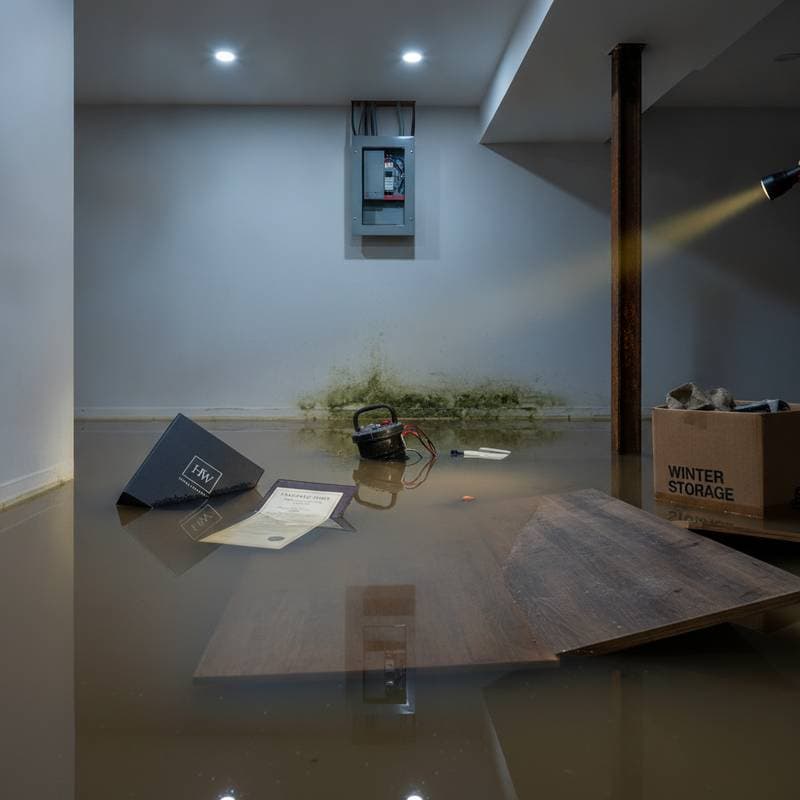
- Damage from extreme weather, including hail impacts exceeding one inch, flood submersion, or winds over 90 miles per hour.
- System failures due to non-approved repairs, alterations, or third-party modifications.
- Normal degradation from prolonged sun exposure, temperature fluctuations, or pollution beyond specified tolerances.
- Efficiency drops caused by tree shading, bird droppings, dust buildup, or rodent damage.
- Inverter issues addressed under separate manufacturer terms rather than the main solar warranty.
Manufacturers might also restrict coverage for installations in coastal zones prone to salt corrosion or humid regions fostering mold growth. Substandard installation practices, such as faulty electrical connections or insecure mounting, can invalidate claims entirely.
Evaluating Financial Value
Assess extended coverage worth through a straightforward break-even calculation. Project out-of-pocket repair or replacement costs absent warranty protection, then weigh them against the premium fee. High inverter failure rates in hot climates, coupled with steep labor, often tip the scales toward extended plans.
Consider depreciation effects as well. Warranties frequently supply replacements of equivalent or reduced value, not pristine new units. A substituted panel might deliver 5 percent less output than the original, subtly diminishing annual energy yields and savings.
Examine aggregate payout caps in contracts. A $5,000 lifetime limit appears ample initially but proves insufficient after multiple claims, such as sequential inverter and panel issues. Prioritize plans without such restrictions or with higher thresholds for comprehensive safeguarding.
Avoiding Common Pitfalls
Warranty conflicts frequently stem from overlooked maintenance obligations. Manufacturers mandate regular cleaning and professional inspections to uphold validity. Neglecting these routines invites claim rejections.
Homeowners can mitigate risks by:
- Maintaining logs of all cleaning sessions, annual inspections, and technician visits, including dates and photos.
- Engaging only licensed, manufacturer-approved professionals for any system interventions.
- Notifying providers of problems within 30 days of detection, providing performance data and error codes.
- Storing all documentation, from invoices to warranty certificates, in an organized digital or physical folder.
These practices not only sustain coverage but also bolster positions during potential disputes, fostering smoother resolutions.
Securing Long-Term Solar Benefits
Mastering solar warranties empowers homeowners to extract maximum value from their systems. By selecting robust coverage, adhering to maintenance protocols, and navigating exclusions wisely, individuals ensure sustained performance and financial security. This proactive stance transforms a solar investment into a reliable, enduring asset.