Understanding Modular Backyard Homes
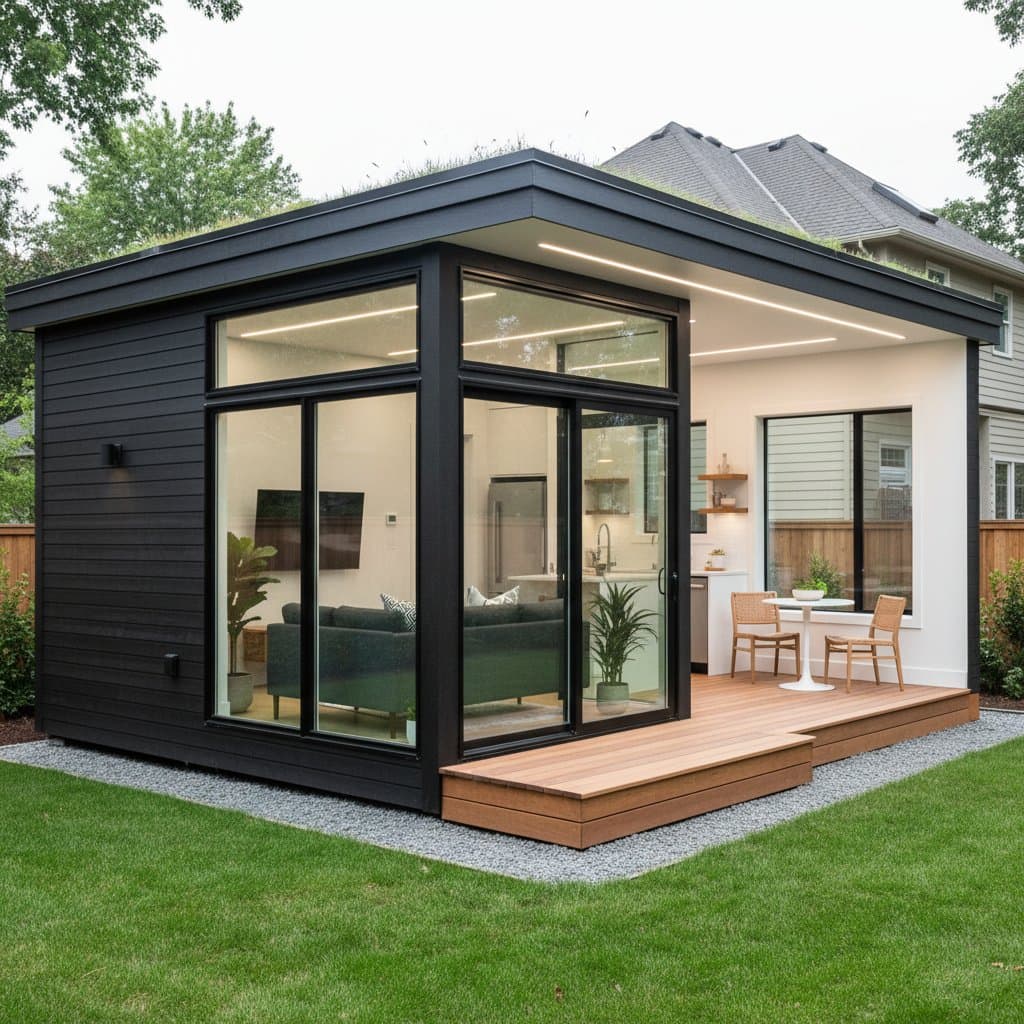
Modular backyard homes, also known as accessory dwelling units (ADUs), serve as versatile extensions to primary residences. These structures arrive pre-built in sections from factories, allowing for swift on-site assembly. Homeowners pursue them for multigenerational living, guest accommodations, or income-generating rentals.
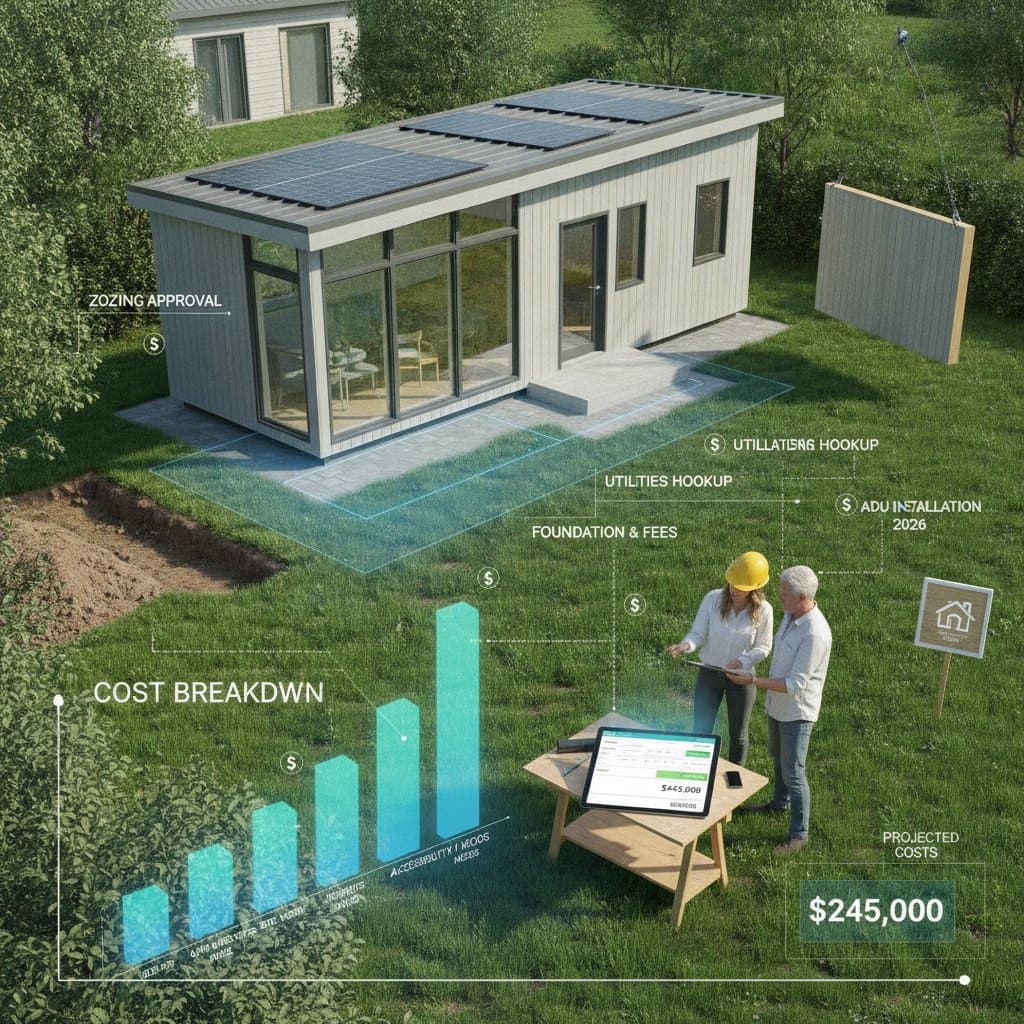
Costs in 2025 typically fall between $180 and $420 per square foot, encompassing factory production, transportation, and installation. This range accounts for variations in size, materials, and location-specific requirements. Factors such as regional labor rates and regulatory demands further influence the final price.
Key Cost Components
The total expense breaks down into several essential elements. Each contributes to the overall investment while ensuring compliance, functionality, and aesthetic integration.
-
Foundation and Site Work: Concrete slabs or piers form the base, with grading and drainage preparations. Costs here often represent 15 to 25 percent of the budget, depending on soil conditions and terrain.
-
Modular Units: Factory-assembled sections include framing, insulation, and basic interiors. Prices vary by size and complexity, starting at $100 per square foot for standard models.
-
Interior Finishes: Flooring, cabinetry, appliances, and fixtures customize the space. Basic setups keep expenses low, while premium selections elevate comfort and resale value.
-
Utilities: Electrical, plumbing, and HVAC lines connect to the main house or separate meters. Integration requires skilled labor to meet code standards and avoid future issues.
-
Exterior Finishes: Siding, trim, and decks match or complement the primary home. Durable materials enhance weather resistance and curb appeal.
These components directly impact cost, longevity, and efficiency. Opting for upscale options increases both expenditure and project duration, but yields superior performance over time.
Step-by-Step Process for Building a Modular Backyard Home
Constructing a modular ADU involves coordinated phases from planning to occupancy. This structured approach minimizes disruptions and ensures regulatory adherence.
-
Assess Zoning and Site Suitability: Contact the local planning office to verify setbacks, height restrictions, and utility guidelines. Numerous municipalities now streamline approvals for modular ADUs, reducing initial hurdles.
-
Choose a Reputable Builder: Evaluate certified modular specialists by reviewing references, examining sample layouts, and clarifying inclusions. Obtain detailed bids that distinguish factory expenses from on-site labor.
-
Develop Design and Secure Permits: Select a base model and tailor elements like layouts and materials. The builder provides certified plans for submission, with approvals generally spanning weeks based on departmental efficiency.
-
Prepare the Site: Perform land grading, utility excavations, and foundation installation prior to module delivery. This phase typically consumes 20 to 30 percent of the overall funds.
-
Handle Factory Production: Builders construct modules in controlled environments with conventional building supplies. Quality checks occur during assembly and upon arrival.
-
Transport and Install Modules: Specialized vehicles deliver units, and cranes position them precisely. Teams then link electrical, water, and ventilation systems across components.
-
Complete Finishing and Inspections: Apply roofing, seal exterior joints, and refine interiors. Final reviews by authorities confirm readiness for use.
The full timeline spans two to four months after permit issuance, offering a faster alternative to traditional construction.
Professional Installation Versus Limited DIY Options
Modular homes demand expertise for core assembly due to their scale and technical demands. While complete self-builds prove impractical, certain finishing tasks suit capable homeowners.
Comparison of Approaches
| Factor | DIY Feasibility | Considerations |
|---|---|---|
| Required Skills | Expert Level | Suitable only for superficial tasks like painting or basic landscaping |
| Safety Concerns | Elevated | Involves heavy machinery, excavations, and wiring hazards |
| Equipment Needs | Specialized | Cranes, trenching gear, and electrical supplies essential |
| Code Compliance | Required | Adherence to local standards mandatory for all work |
| Timeline | 8 to 12 Weeks | Potential setbacks from approvals or reviews |
| Warranty Terms | Restricted | Professional crews preserve full manufacturer guarantees |
Homeowners may handle post-inspection elements such as interior painting, minor yard adjustments, or simple deck construction. Structural, mechanical, and utility installations necessitate licensed contractors to uphold safety and validity.
Long-Term Maintenance and Durability
Well-maintained modular backyard homes endure comparably to conventional builds, projecting a lifespan exceeding 50 years.
Routine yearly upkeep includes clearing gutters, examining roof seals, and verifying seals around openings. Test safety devices like ground-fault circuit interrupters and alarms regularly.
Longer-interval care, every five to ten years, involves refreshing exterior paint, updating seals, and scanning the foundation for shifts. Such diligence sustains operational efficiency and structural soundness.
Frequently Asked Questions
What sizes are permitted for modular backyard homes? Regulations typically permit 400 to 1,200 square feet, scaled to property dimensions.
Must utilities operate independently? Policies vary; some permit shared connections, others mandate dedicated lines. Consult providers promptly.
Are financing options available? Lenders provide options like construction loans or equity-based funding.
How long does manufacturing require? Four to eight weeks, influenced by customization and queue.
Do modular ADUs cost less than traditional builds? Frequently, by 10 to 20 percent, though regional and quality differences apply.
Is relocation feasible? Possible in theory, yet challenging after fixed installations.
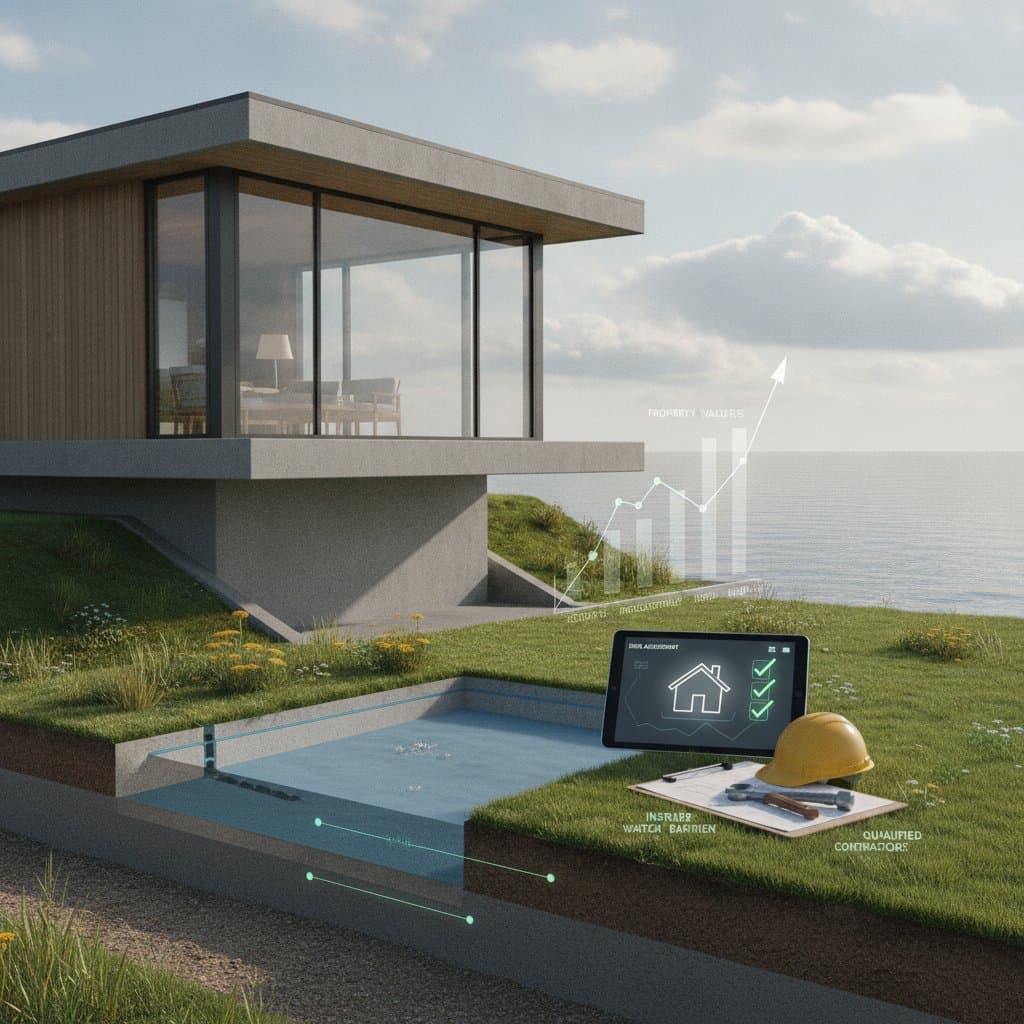
Will property taxes rise? Habitable additions increase valuations, generally less than primary expansions.
Are they permitted universally? Zoning varies widely; verification precedes commitment.
Planning Your Modular ADU Project
Investing in a modular backyard home unlocks adaptable housing solutions within a defined budget. Begin with zoning confirmation, followed by bids from multiple builders. Detail inclusions from conceptualization through completion, reserving 10 percent for unforeseen elements. Competent teams and measured planning position the ADU for swift realization and enduring utility.