Introduction to Solar Roof Expenses in 2026
Solar roof installations in 2026 represent a forward-thinking choice for homeowners seeking integrated renewable energy solutions. These systems combine durable roofing materials with photovoltaic technology, promising reduced utility bills and enhanced property appeal. However, the allure of seamless design often masks escalating costs that extend beyond the initial quote. Homeowners frequently overlook how installation phases, regulatory requirements, and market fluctuations contribute to budget overruns.
The process begins with site assessments, which can reveal unforeseen structural reinforcements or electrical upgrades. Permitting fees vary by locality, sometimes adding thousands to the total. Material sourcing for high-efficiency panels integrated into shingles has become more expensive due to supply chain demands. Each stage introduces opportunities for cost escalation. Many homeowners underestimate how often change orders or inspection findings alter the original budget.
Coverage Limitations and Warranty Gaps
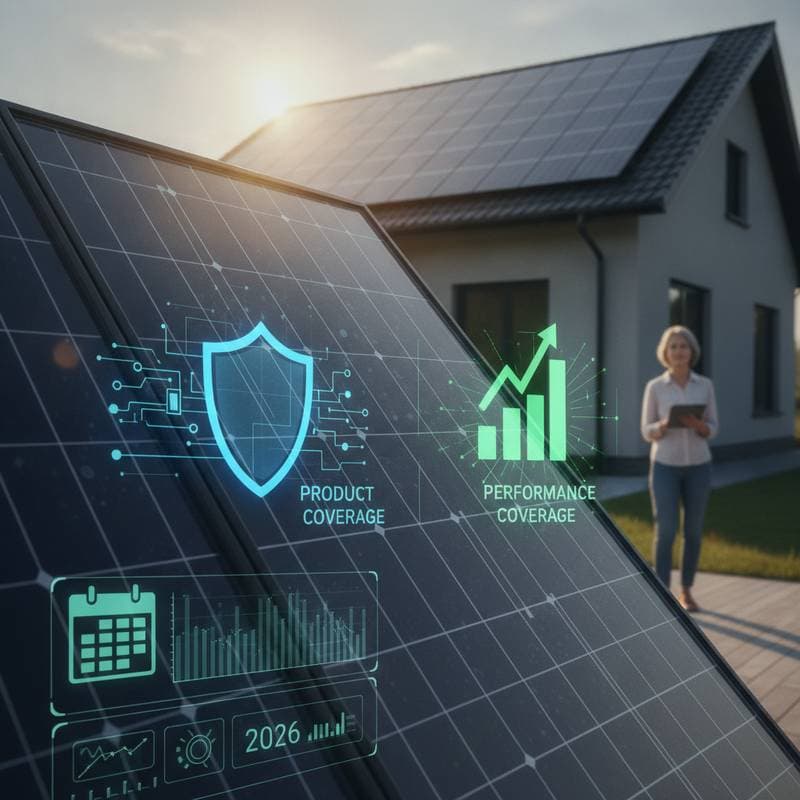
Solar roof warranties often appear comprehensive at first glance. Yet careful reading reveals that coverage is divided into multiple categories with distinct limitations. The roofing material may have a coverage period separate from the energy production guarantee. Electrical components can fall under manufacturer warranties rather than the installer’s policy. Some agreements exclude workmanship issues once inspection approval is complete.
Typical exclusions include damage from structural movement or foundation settling, electrical faults outside the inverter system, weather events exceeding specified intensity levels, pre-existing roof or electrical issues uncovered during installation, and unauthorized modifications or third-party repairs. A homeowner who experiences a leak or electrical short may discover that the responsible company denies coverage if the cause falls outside its defined service area. Understanding these distinctions before contract signing protects against expensive surprises later. Consult the warranty document line by line to identify any caps on repair reimbursements or geographic service boundaries.
Financial Implications and Long-Term Costs
Beyond the upfront price, solar roofs introduce several ongoing expenses. Routine maintenance includes cleaning debris from panels, replacing damaged shingles exposed to harsh weather, and monitoring power output through dedicated apps or devices. Some systems require periodic inverter replacement after a decade, often costing several thousand dollars due to specialized labor and parts. Monitoring subscriptions and extended warranties also add recurring charges, sometimes billed annually at rates that accumulate over the system's lifespan.
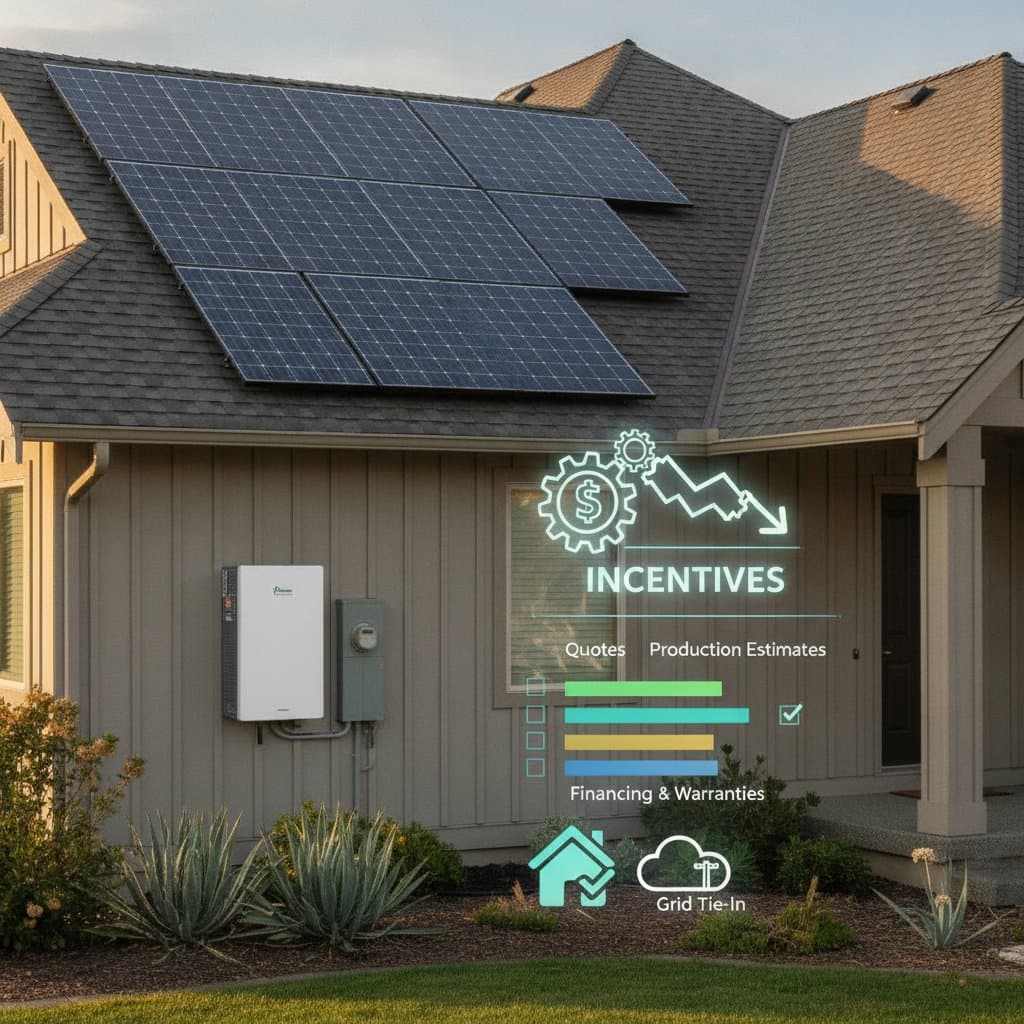
Homeowners must consider the total cost of ownership rather than only the installation quote. Financing a project through a solar loan may lower immediate out-of-pocket payments, but interest over time can exceed projected utility savings, especially with variable rates tied to economic conditions. Insurance premiums may also rise because the roof’s replacement cost increases substantially with integrated solar components. In cases where the roof sustains partial damage, insurance adjusters may cover only the non-solar portion, leaving the homeowner to pay for specialized solar components out of pocket. Factor in potential tax incentives, which can offset some costs but require precise documentation to claim effectively.
Decision Framework for Evaluating Options
When comparing solar roofs to traditional solar panels or high-efficiency shingles, a structured evaluation helps clarify real value. Start by estimating annual kilowatt-hour output relative to total installation and financing costs, using tools like online solar calculators adjusted for local sunlight hours. Next, determine the payback period by calculating how long it takes for savings to equal investment, factoring in maintenance and warranty fees alongside rising energy rates.
Assess resale value by reviewing recent home sales in your area that feature solar integrations; potential buyers may value the technology enough to justify a premium, but market trends vary. Evaluate service reliability through provider reputation, technician training certifications, and responsiveness to warranty claims based on customer reviews from independent platforms. Finally, confirm contract transparency by ensuring all exclusions and limitations are clearly disclosed in plain language, without ambiguous terms. Applying these criteria supports rational decision-making rather than emotional appeal or marketing influence.
- Energy production vs. cost: Estimate annual kilowatt-hour output relative to total installation and financing costs.
- Payback period: Determine how long it takes for savings to equal investment, factoring in maintenance and warranty fees.
- Resale value: Evaluate whether potential buyers in your area value integrated solar roofing enough to offset its higher price.
- Service reliability: Review provider reputation, technician training, and responsiveness to warranty claims.
- Contract transparency: Confirm whether all exclusions and limitations are clearly disclosed.
Risk Mitigation and Consumer Protection
Several steps can protect homeowners from financial or contractual loss. Obtain multiple quotes that detail material quality, labor scope, and warranty coverage; compare them side by side to spot inconsistencies. Avoid vague estimates by insisting on itemized breakdowns that specify quantities and unit prices for all components.
Request sample contracts before paying deposits to review fine print about exclusions and service fees; highlight sections on dispute resolution and payment schedules. Verify licensing and insurance of the installation company and subcontractors through state registries to ensure compliance with local building codes. Check claim procedures for warranty or performance disputes, understanding who handles each type of issue, from manufacturer support to installer callbacks.
Document all communications during negotiation and installation, including emails, photos of the site, and signed addendums. Written records help resolve disagreements later, providing evidence for insurance claims or legal consultations. Consumers should remain cautious when companies promise performance guarantees or zero-maintenance systems. Energy production can fluctuate due to shading from nearby trees or suboptimal roof orientation, and cleaning or repair may still be required seasonally.
Reading the Fine Print
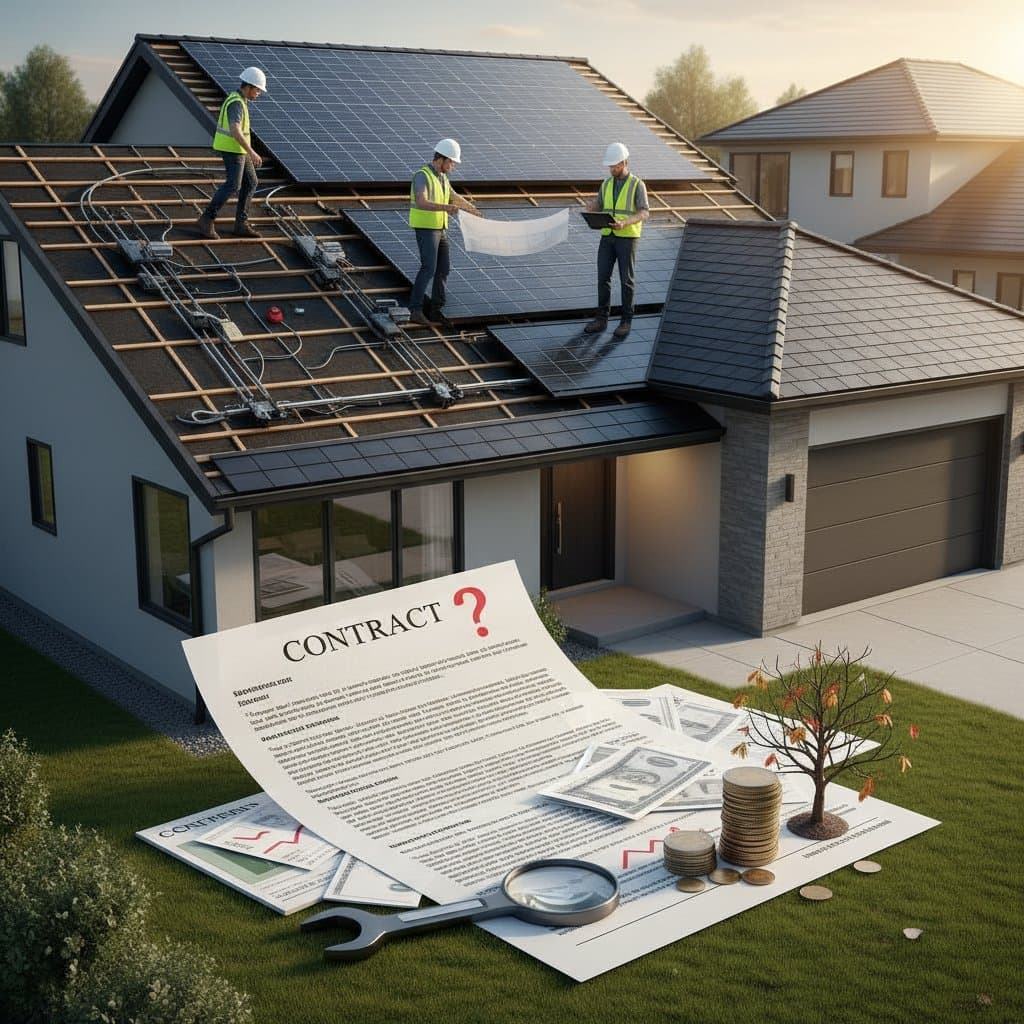
A clear grasp of contract language is essential for avoiding pitfalls. Some agreements include escalation clauses that allow providers to adjust prices if material costs change before installation begins, often triggered by global supply disruptions. Others require arbitration for disputes, limiting legal recourse to court and potentially favoring the provider.
Homeowners should look for cancellation penalties, which can reach 10 percent of the total cost if work starts, transfer restrictions if selling the property, and fees for warranty transfer to new owners. Scrutinize sections on performance metrics, such as minimum energy output thresholds that, if unmet, trigger rebates or refunds. Understanding these details prevents unpleasant discoveries after commitments are made. A careful review by a legal or financial professional can be worthwhile given the size of the investment, often costing a flat fee that pales in comparison to potential losses.
Securing Long-Term Value from Your Solar Roof
A solar roof can deliver both environmental and financial rewards when chosen wisely. The complexity of combined roofing and energy systems demands disciplined analysis from assessment to activation. Homeowners who approach the process with skepticism, document every step, and insist on contract transparency are far more likely to achieve expected returns.
Balance efficiency with reliability by selecting systems certified for durability in your climate zone. Question assumptions about energy savings by modeling scenarios with varying usage patterns. Verify that each promise is backed by written terms, creating a foundation for sustained benefits. This thorough preparation transforms a potential expense into a strategic asset for future-proofing your home.