How Much Does an ADU Cost? Pricing Guide
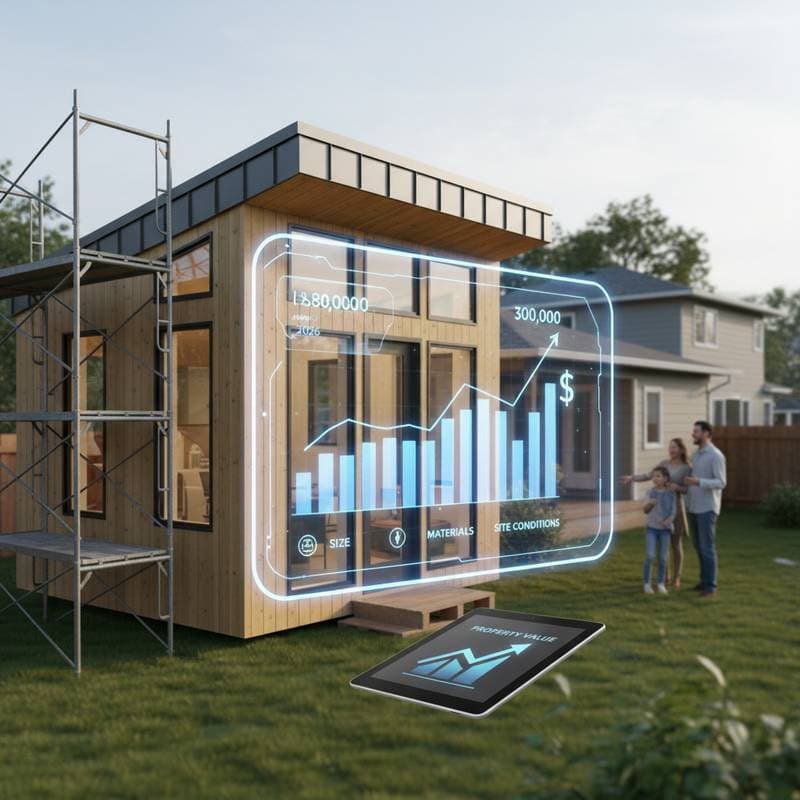
Accessory Dwelling Units, commonly known as ADUs or granny flats, convert underutilized property space into versatile areas for income generation or family accommodation. The cost to build a complete ADU ranges from $80,000 to $300,000, with the average spend for a finished, detached unit at approximately $180,000. These expenses vary based on the structure's size, construction quality, and site challenges.
A compact studio-style ADU may cost under $100,000, whereas expansive two-bedroom units featuring full kitchens and upscale finishes often surpass $250,000. Regional differences play a significant role, as coastal cities and urban centers incur 20 to 35 percent higher charges for labor and permits. Well-executed ADU projects can elevate property values by as much as 30 percent, per insights from the National Association of Home Builders. Homeowners pursuing rental opportunities or multigenerational housing find ADUs provide enduring benefits and solid investment returns.
Detailed Cost Breakdown
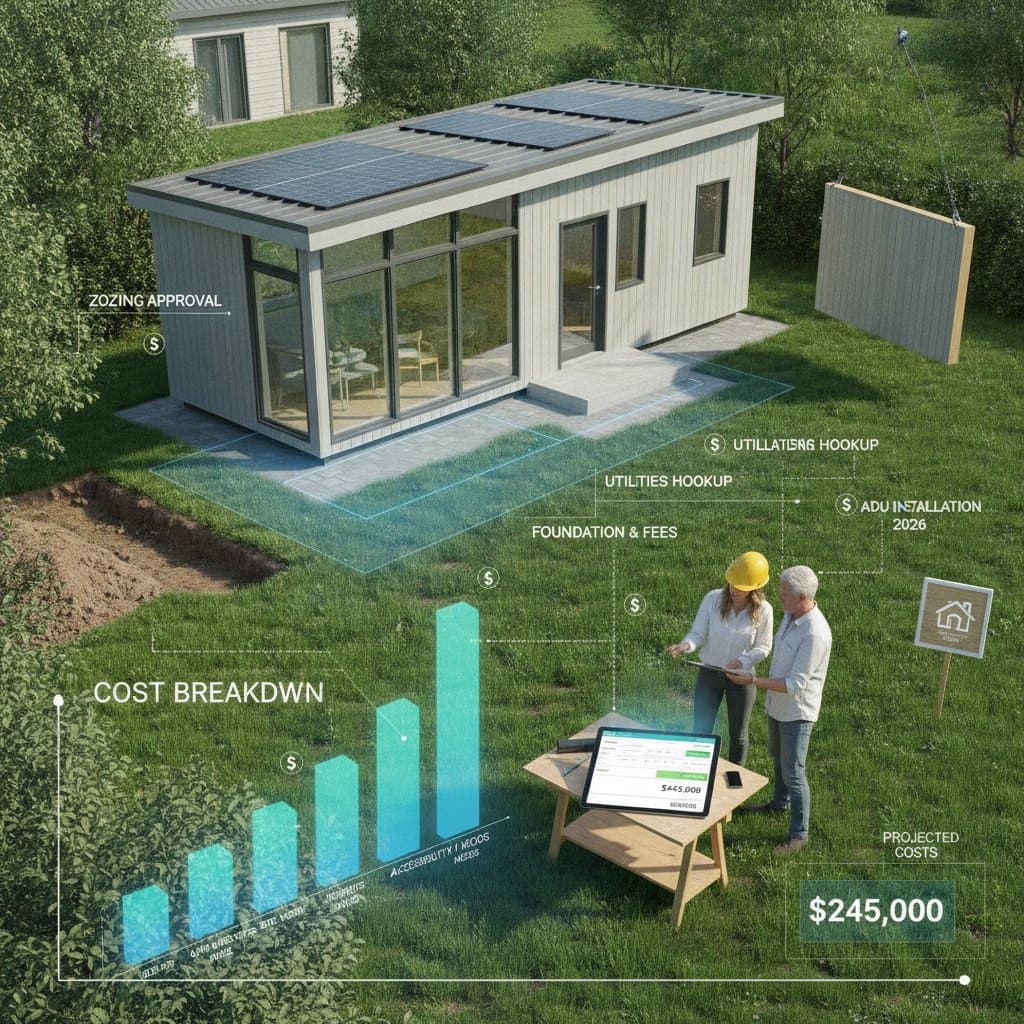
ADU construction expenses adhere to a per-square-foot framework, typically spanning $250 to $600 per square foot according to materials, design, and site factors. The national median sits at about $400 per square foot. Contractors generally impose a minimum fee of $15,000 for initial planning and permitting phases. Industry data indicates that 25 percent of projects fall below $150,000, 50 percent range from $150,000 to $200,000, and the upper 25 percent exceed $250,000.
Size and Scope
Compact ADUs measuring 300 to 500 square feet generally cost $80,000 to $130,000. Mid-sized options from 600 to 800 square feet typically run $150,000 to $200,000. Expansive units over 900 square feet may reach $300,000. Adding every 100 square feet usually increases the budget by roughly $25,000. Homeowners in California, based on shared experiences in online forums, report that detached ADUs cost about 20 percent more than attached conversions, owing to separate foundations and utility integrations.
Material and Quality Levels
Basic builds incorporate elements like vinyl windows, laminate flooring, and standard fixtures, averaging $250 per square foot. Mid-tier constructions with quartz countertops, fiber-cement siding, and efficient heating, ventilation, and air conditioning systems elevate prices to $350 to $450 per square foot. Luxury versions featuring bespoke cabinetry, metal roofing, and premium appliances surpass $500 per square foot. Reputable brands such as Andersen for windows, Kohler for fixtures, and Carrier for HVAC systems appear frequently in elevated builds, complete with warranties extending up to ten years to enhance durability and resale appeal.
Complexity and Site Conditions
Challenges like sloped terrain, restricted access, or outdated sewer lines can inflate costs by $10,000 to $40,000. Adhering to local codes, which may mandate fire separations or parking provisions, incurs additional design expenses. Location-specific issues amplify prices, particularly in the Pacific Northwest and coastal California, where labor scarcity and rigorous permitting processes drive up national highs for ADU builds.
Service Packages and Pricing Options
A standard ADU package encompasses design consultations, foundation preparation, framing, roofing, insulation, drywall installation, and basic interior completions. Such projects average $150,000 to $190,000 and require four to six months for completion. An upgraded package adds architectural planning, luxury appliances, solar-compatible wiring, and site landscaping, raising totals to $220,000 to $280,000. Although initial outlays increase by 20 to 30 percent, these enhanced ADUs frequently achieve rental recovery in five to eight years.
Frequent enhancements include the following:
- Utility trenching or electrical panel upgrades: $5,000 to $12,000
- Bespoke cabinetry and integrated storage: $3,000 to $9,000
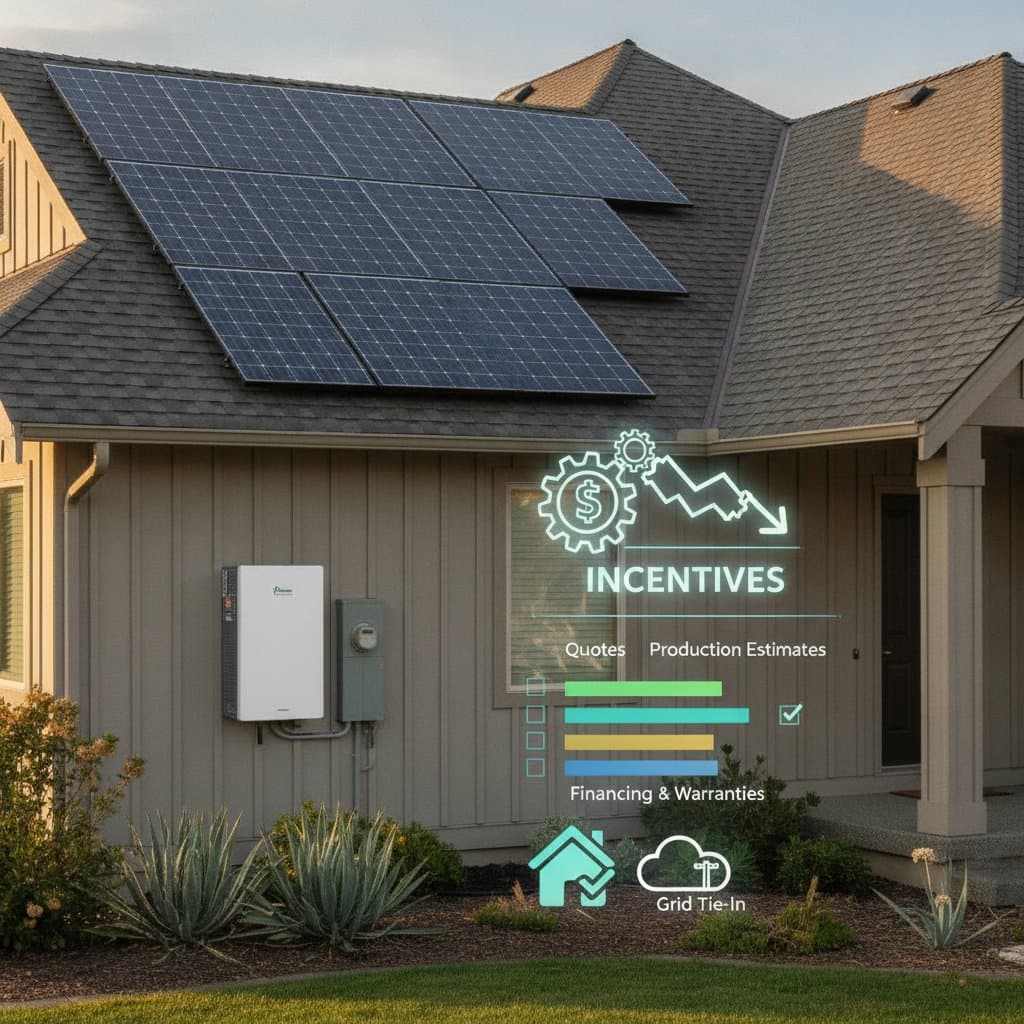
- Preparations for solar panel installation: $2,000 to $5,000
Coordinating services through one contractor via directories like Angi or HomeAdvisor can yield savings of up to 10 percent.
Professional vs. DIY Considerations
Individuals inclined toward hands-on projects might tackle minor conversions, such as transforming a garage into a studio. However, comprehensive ADU constructions demand specialized knowledge. Material packages for such endeavors cost $60,000 to $100,000, with tool rentals and mandatory inspections adding another $10,000. While labor reductions attract many, errors in electrical or plumbing work often result in expensive corrections. Hiring professionals ensures insurance protection, regulatory adherence, and predictable schedules. The added cost for expertise, which constitutes about 25 percent of the overall budget, frequently offsets potential pitfalls through error prevention and seamless execution.
Smart Cost-Saving Strategies
To optimize expenses without sacrificing quality, prioritize modular or prefabricated designs, which reduce on-site labor by up to 15 percent. Select energy-efficient materials early to qualify for rebates, potentially cutting utility-related costs by $5,000 or more. Engage multiple contractors for bids and negotiate bundled services to trim administrative fees.
Consult local zoning experts during planning to avoid redesigns from code violations, saving thousands in rework. Opt for attached ADUs over detached where feasible, as shared infrastructure lowers foundation and hookup expenses by 20 percent. Track material price fluctuations and purchase in bulk for non-urgent elements like insulation or siding.
Maximizing Your Investment
Strategic ADU development not only addresses immediate housing needs but also builds equity over time. Focus on versatile layouts that appeal to renters or family members, ensuring broad marketability. Incorporate durable, low-maintenance features to minimize upkeep costs and accelerate value appreciation. By aligning the build with long-term goals, such as income streams or aging-in-place solutions, homeowners realize returns that extend well beyond the initial outlay, often recouping investments through enhanced property worth and utility.