Breaking Down Multigenerational Home Addition Costs in 2026
Key Project Overview
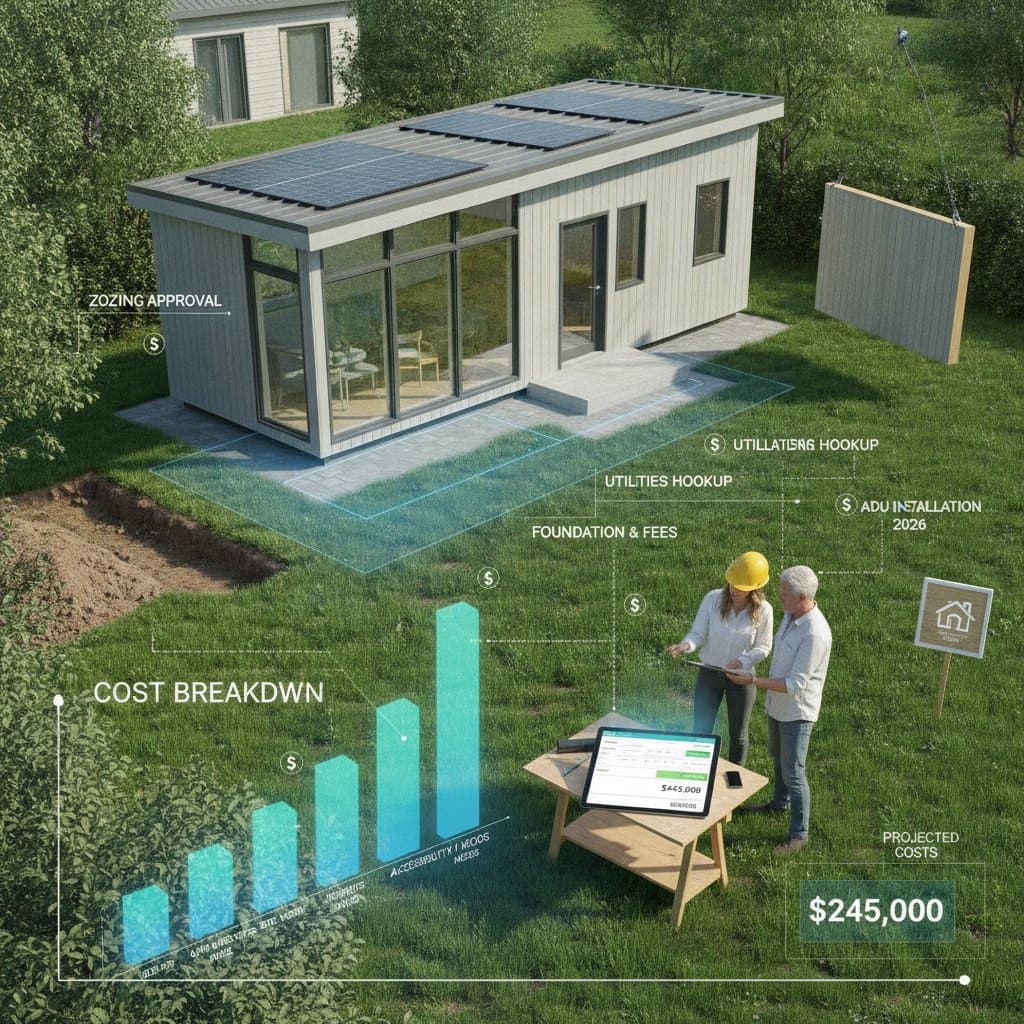
National average cost: $265,000
Typical range: $190,000 to $410,000
Low end and high end: $120,000 for a modest in-law suite to $600,000 for a comprehensive two-story addition
Time to complete: 4 to 8 months from permitting to final walkthrough
Recommended approach: Professional construction with selective homeowner preparation tasks
ROI and resale impact: 55 to 70 percent recovery, influenced by design efficiency and quality of finishes
Projection date: May 2026
Multigenerational living arrangements continue to gain popularity as families seek to accommodate aging parents, adult children, or blended households under one roof. These additions provide private yet connected spaces, enhancing family bonds while addressing practical needs like accessibility and independence. Understanding the full scope of costs helps homeowners budget effectively and avoid surprises during construction.
Factors Influencing Total Expenses
Project Scope and Square Footage
The size of the addition directly determines the overall investment. A basic in-law suite, featuring one bedroom, a full bathroom, and a compact kitchenette, typically measures 400 to 600 square feet and suits smaller households. Larger configurations, such as a complete apartment with a dedicated living room, laundry facilities, and storage, often surpass 800 square feet to offer greater flexibility.
Expanding by 100 square feet generally increases costs by $20,000 to $40,000, depending on regional labor rates and material selections. Homeowners should assess family requirements early, such as the need for wheelchair-accessible features or separate entrances, to define the footprint accurately. Consulting an architect at this stage ensures the design aligns with both immediate and future needs.
Quality of Materials and Finishes
Selections in materials significantly affect the budget, particularly for interior elements. High-end options like quartz or granite countertops, fully tiled walk-in showers, and bespoke cabinetry can elevate the cost per square foot by up to double compared to standard choices. These premium features contribute to a luxurious feel but require careful justification against long-term durability and maintenance.
Opting for durable, mid-tier alternatives such as solid-surface countertops, vinyl plank flooring, and semi-custom cabinets maintains functionality while controlling expenses. Energy-efficient appliances and low-VOC paints not only reduce initial outlays but also lower ongoing utility bills and support healthier indoor environments. Balancing aesthetics with practicality ensures the space remains inviting without unnecessary extravagance.
Site Preparation and Accessibility Challenges
The existing property layout plays a crucial role in pricing. Urban properties with constrained lots, sloped terrain, or minimal side access often incur extra charges for excavation, temporary shoring, or crane operations to maneuver materials. These complications can extend preparation time and require specialized equipment, adding thousands to the total.
In contrast, homes with ample rear yard space and flat ground allow for straightforward access, minimizing setup disruptions. Integrating the new structure with current plumbing, electrical, and HVAC systems demands precise engineering to avoid costly rerouting. A pre-construction site survey by a civil engineer identifies potential issues early, preventing budget overruns from unforeseen obstacles.
Regional Labor Availability and Seasonal Timing
Labor costs fluctuate based on local demand and economic conditions. In high-growth areas with skilled trade shortages, hourly rates for carpenters, electricians, and plumbers may climb 20 to 30 percent above national averages. Selecting contractors from established networks helps secure reliable teams without compromising quality.
Weather patterns influence scheduling and efficiency. Harsh winter conditions or prolonged rainy periods delay outdoor phases like foundation pouring and framing, potentially increasing material exposure risks and labor hours. Targeting shoulder seasons, such as spring or fall, often yields steadier pricing and shorter wait times, as crews seek consistent workloads.
Customization Requests and Mid-Project Adjustments
Unique design elements, including built-in shelving, high ceilings, or oversized windows, enhance personalization but raise framing and installation expenses. These features demand additional structural support and may necessitate engineering approvals, extending the timeline. Homeowners benefit from finalizing plans during the design phase to lock in costs.
Change orders, such as altering layouts after groundwork begins, frequently result in 10 to 20 percent budget increases due to rework, delayed inspections, and crew reallocations. Maintaining open communication with the project manager and adhering to the original blueprint minimizes these risks. Documenting all agreements in writing provides clarity and protection throughout the process.
Strategies for Cost Management
Selecting Cost-Effective Alternatives
Homeowners can achieve quality results by prioritizing essential upgrades. Mid-range plumbing fixtures, such as a $250 single-handle faucet, deliver reliable performance comparable to higher-priced models with advanced features. Stock cabinet bases paired with custom door fronts offer a tailored appearance at a fraction of fully bespoke pricing.
Restricting premium materials to high-traffic areas, like tiling only the bathroom floor and walls while using painted drywall elsewhere, optimizes spending. Energy Star-rated windows and insulation reduce long-term heating and cooling demands, providing savings that offset upfront investments. These choices maintain comfort and style without eroding the project's value.
Streamlining Preparation to Cut Labor Time
Thorough pre-construction efforts prevent inefficiencies. Clearing vegetation, vegetation, and debris from the build site, along with marking utility lines through professional locates, allows crews to start promptly. Establishing a firm, level path for heavy machinery avoids delays from unstable ground or obstacles.
Coordinating material deliveries to align with each phase eliminates storage issues and idle time. Homeowners who handle minor tasks, like painting trim or installing light fixtures under supervision, can trim professional hours. These proactive measures foster smoother workflows and preserve budget integrity.
Leveraging Timing and Bundled Improvements
Scheduling during less busy periods, such as late fall or early spring, often secures discounts of 5 to 10 percent, provided weather permits progress. Combining the addition with other home updates, like refreshing the roof or exterior siding, shares mobilization expenses and streamlines contractor involvement. This integrated approach maximizes efficiency and uncovers opportunities for bulk material pricing.
Bulk purchasing through the contractor's suppliers can further reduce costs on items like lumber or drywall. Reviewing local incentives for energy-efficient builds or accessibility modifications may qualify for rebates, effectively lowering the net investment. Planning holistically transforms potential expenses into strategic enhancements.
Evaluating Multiple Contractor Proposals
Obtaining at least three detailed bids ensures competitive pricing and transparency. Each quote should specify the project scope, including square footage and key deliverables, along with material specifications by grade and manufacturer. Labor breakdowns by phase, from demolition to cleanup, reveal potential hidden fees.
Verify inclusions for surface preparation, waste disposal, permitting, and post-completion warranties. Payment terms linked to verifiable milestones, such as foundation completion or rough-in inspections, protect against premature disbursements. Use this structured comparison to select a partner whose approach aligns with your vision and financial parameters.
Essential Quote Evaluation Checklist
- Itemized scope with measurements and features
- Detailed material lists including brands and quality levels
- Inclusion of site prep, cleanup, and waste management
- Coverage of permits, inspections, and disposal costs
- Clear warranty details and expected completion timeline
- Milestone-based payment schedule with verification methods
Construction Timeline Breakdown
Efficient project management keeps timelines on track, typically spanning four to eight months. The initial design and permitting phase lasts 6 to 10 weeks, involving architectural drawings, zoning reviews, and utility approvals. Delays here can cascade, so submitting complete applications early proves essential.
Site preparation and foundation work follow, requiring 2 to 4 weeks for excavation, footings, and slab pouring. Weather and soil conditions influence this duration, with stable sites progressing faster. Framing and exterior enclosure take 4 to 6 weeks, establishing the structure's skeleton and weatherproofing.
Mechanical, electrical, and plumbing rough-ins occupy 2 to 3 weeks, routing systems through walls and floors before concealment. Drywall installation, painting, and interior finishes demand 3 to 5 weeks, transforming the raw space into livable areas. The final punch list and inspections wrap up in 1 to 2 weeks, confirming code compliance and addressing minor adjustments.
Anticipate material delays, especially for custom elements like doors or cabinetry, which may require 6 to 8 weeks lead time. Early supplier coordination integrates these into the schedule, preventing bottlenecks. Regular progress meetings with the team maintain momentum and allow for timely resolutions.
Ongoing Care for Longevity
Proper maintenance extends the addition's lifespan and protects the home's integrity. Inspect and clean gutters and downspouts biannually to manage water flow, particularly at the junction with the original roofline, avoiding moisture damage. Annual reviews of window seals, caulking, and flashing prevent leaks and energy loss.
Service the dedicated HVAC system quarterly by replacing filters and checking ducts for efficiency. Monitor plumbing fixtures for drips and electrical outlets for wear to ensure safety. These routines, combined with prompt repairs, safeguard the investment and support seamless multigenerational use.
Realizing Family and Financial Benefits
Investing in a multigenerational addition fosters closer family ties while potentially boosting property value through thoughtful design. By addressing costs upfront and implementing savings tactics, homeowners create durable, adaptable spaces that adapt to evolving needs. This forward-looking approach not only enhances daily living but also positions the home for stronger market appeal in years ahead.