Understanding Multigenerational Renovations
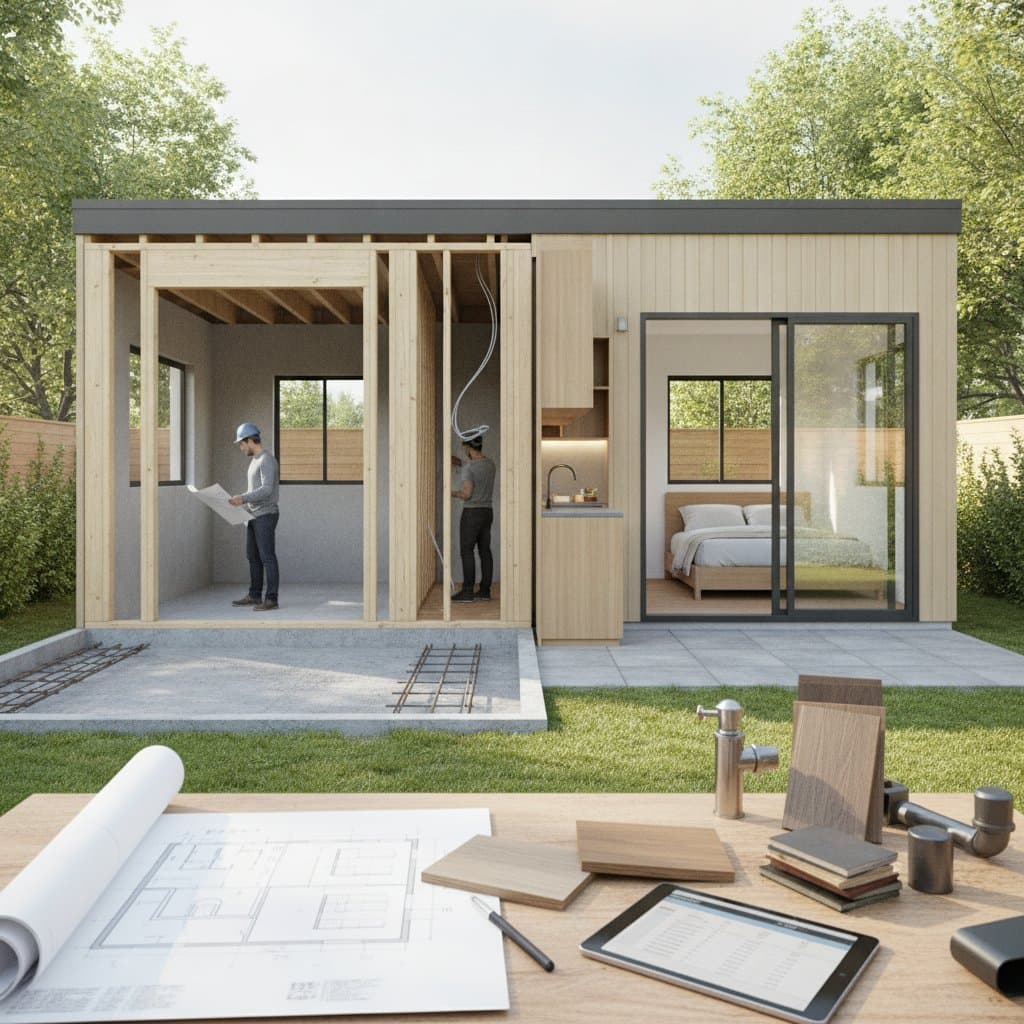
Multigenerational renovations adapt homes to accommodate multiple generations under one roof, fostering close family ties while respecting individual privacy. These projects often involve creating separate suites, accessory dwelling units (ADUs), or reconfiguring existing spaces like basements and attics. In 2026, such renovations emphasize accessibility, energy efficiency, and flexible designs to meet evolving family needs.
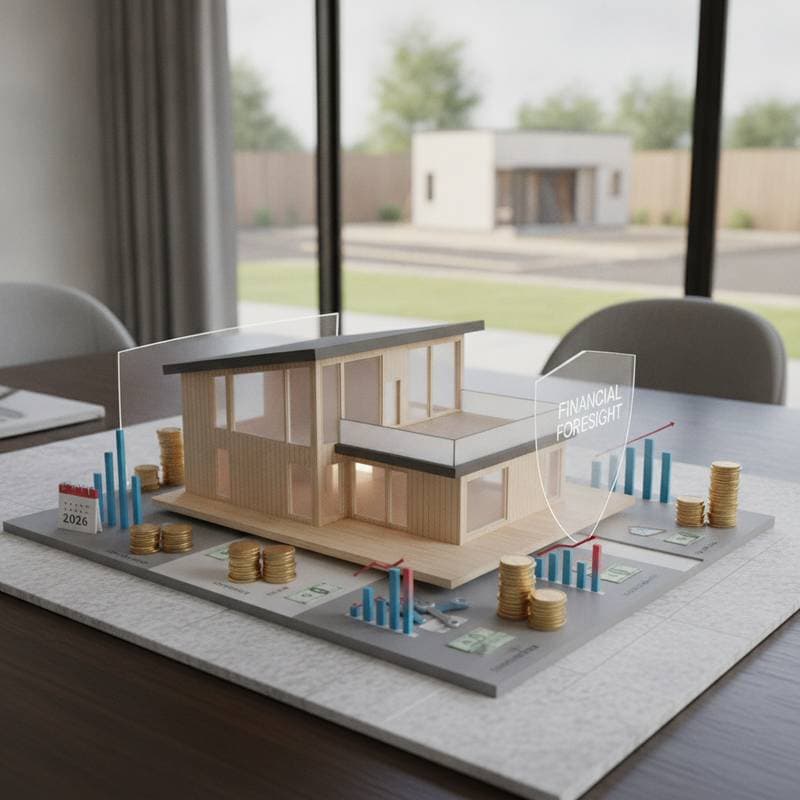
Costs for these renovations vary widely based on project scope, location, and material quality. Expect to pay between $150 and $400 per square foot. Basic conversions of existing spaces start at the lower end, while new additions with premium finishes reach the higher range. Factors like local labor rates, permitting requirements, and structural modifications significantly impact the total investment.
Breaking Down the Costs
To budget effectively, consider the key components that drive expenses in multigenerational projects.
- Design and Planning: Initial consultations with architects or designers cost $5,000 to $15,000. They assess site feasibility, ensure code compliance, and develop layouts that balance shared and private areas.
- Structural Work: Foundation reinforcements or roof extensions for additions range from $50 to $150 per square foot. Conversions of garages or basements may require less, around $30 to $80 per square foot.
- Interior Finishes: Kitchens and bathrooms in separate suites add $75 to $200 per square foot. Opt for durable options like quartz countertops and vinyl plank flooring to control costs.
- Accessibility Features: Installing ramps, wider doorways, and grab bars increases expenses by 10 to 20 percent but enhances long-term usability.
- Mechanical Systems: Separate HVAC units or plumbing lines contribute $20 to $50 per square foot. Energy-efficient choices, such as mini-splits, reduce ongoing operational costs.
- Permits and Fees: These vary by municipality but often total 5 to 10 percent of the project budget. Always verify zoning laws for ADUs or in-law suites.
By prioritizing essential elements and phasing the work, homeowners can manage expenses without compromising quality. A detailed cost estimate from a professional helps identify savings opportunities, such as reusing existing infrastructure.
Design Considerations for Family Living
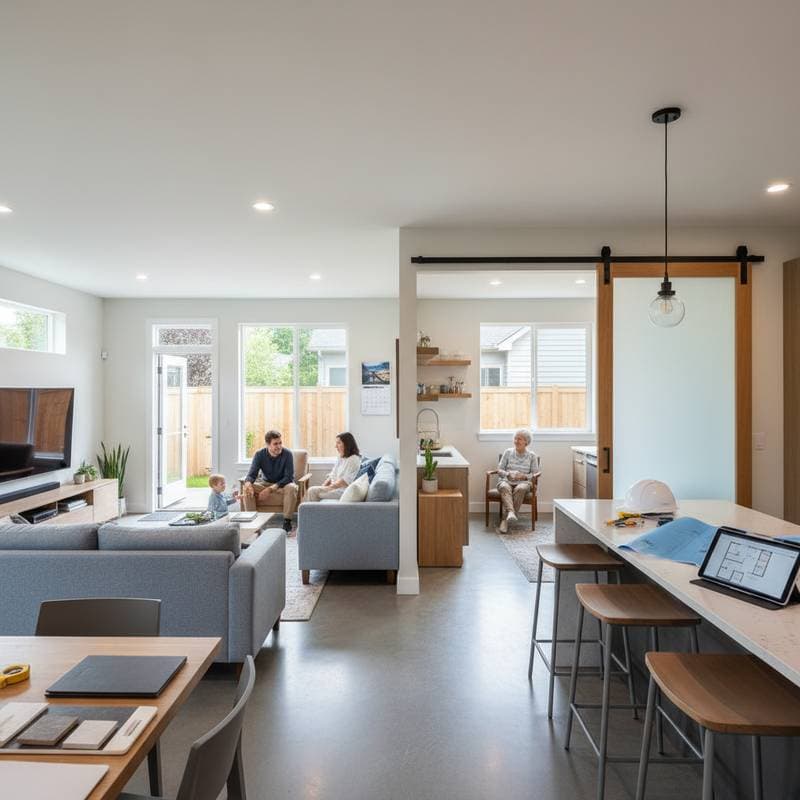
Successful multigenerational designs prioritize privacy, accessibility, and shared spaces. Separate entrances for suites provide independence, while open kitchens encourage family interaction. Incorporate universal design principles to future-proof the home, ensuring it serves aging residents or young families alike.
Common project types include:
- ADU Construction: Detached or attached units offer full independence, ideal for extended family or future rentals.
- Basement or Attic Conversions: These leverage underused space, minimizing disruption and exterior changes.
- Main Level Reconfigurations: Removing walls creates fluid layouts with private bedrooms and communal areas.
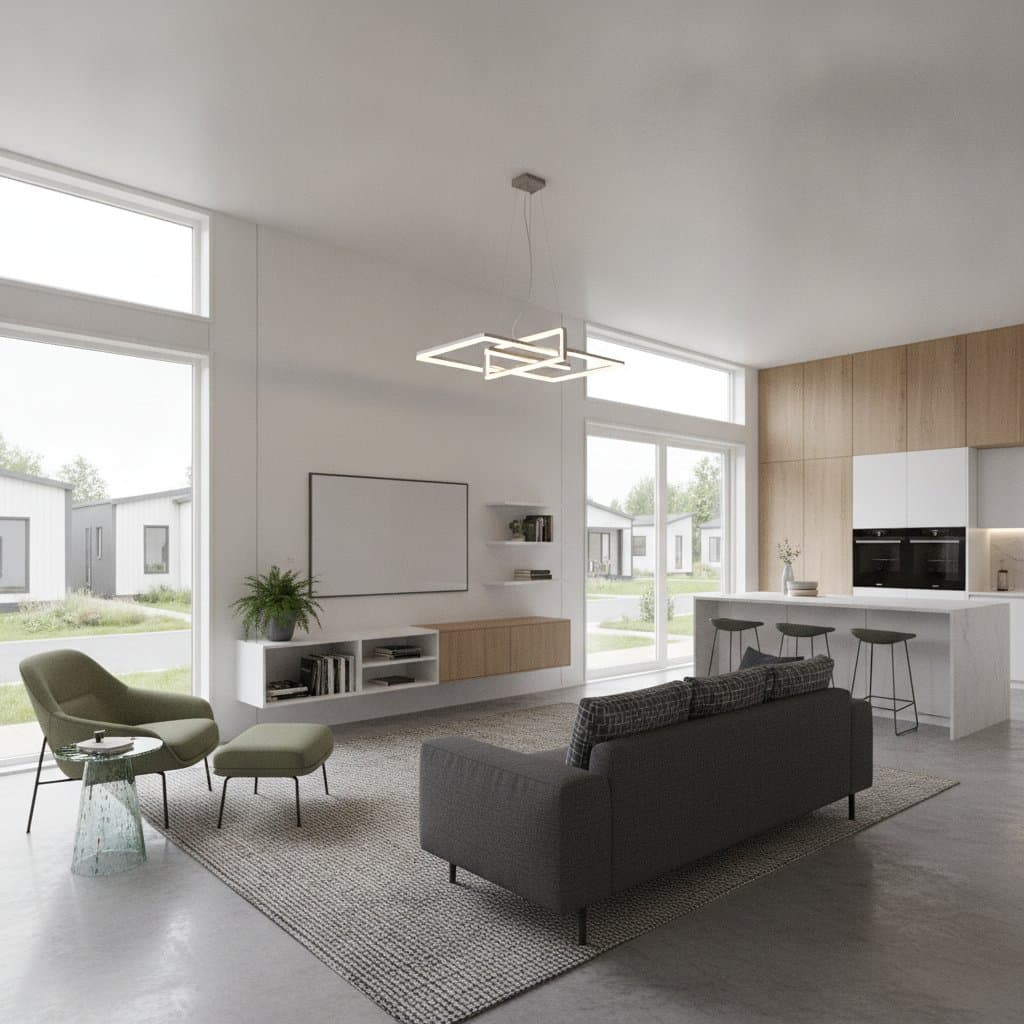
Select materials that withstand heavy use, such as slip-resistant flooring and low-maintenance cabinetry. Lighting plays a crucial role; install adjustable LEDs to accommodate varying needs throughout the day.
Maintenance, Care, and Lifespan
A thoughtfully constructed multigenerational space endures alongside the primary residence when maintained diligently. Regular upkeep preserves functionality and appearance, extending the investment's value.
- Floors: Refinish or replace high-traffic areas every 10 to 15 years to prevent wear.
- Paint: Refresh interior surfaces every 5 to 7 years for a fresh look.
- Plumbing Fixtures: Inspect annually for leaks and replace components as necessary to avoid water damage.
- HVAC Systems: Clean filters monthly and arrange professional servicing once a year to maintain efficiency.
- Exterior Components: Reseal joints in siding and examine roofing around additions each season to protect against weather.
Choose resilient materials like porcelain tile, engineered quartz, and luxury vinyl plank. These options simplify cleaning and resist daily demands, thereby lowering future repair expenses.
ROI and Long-Term Value
Multigenerational renovations deliver lifestyle enhancements and financial returns. A dedicated suite supports family caregiving today and rental opportunities tomorrow. Properties with adaptable layouts attract diverse buyers, boosting marketability.
- Return on Investment: Expect 50 to 80 percent recovery on additions or conversions, influenced by regional demand and quality of finishes.
- Energy Savings: Implement LED fixtures, low-flow fixtures, and efficient heating systems to cut utility bills by 10 to 30 percent.
- Accessibility Enhancements: Features like step-free entries and expansive hallways promote safety and appeal to future owners.
Over time, these upgrades increase home equity and reduce operational costs, making the project a strategic choice for long-term residency or sale.
Your Next Steps
Embark on your renovation with a structured approach to ensure smooth execution.
- Clarify Objectives: Determine whether the space will house family members, serve as a rental, or fulfill both purposes.
- Establish Budget: Allocate funds with a 10 to 15 percent buffer for unforeseen challenges.
- Engage Professionals: Consult designers or architects to evaluate structural integrity, optimize layouts, and meet building codes.
- Solicit Quotes: Obtain detailed proposals from several contractors, distinguishing labor from material costs.
- Arrange Relocation: Prepare for temporary housing to minimize construction-related disruptions.
- Record Documentation: Organize permits, invoices, and guarantees for reference during resale.
These steps streamline the process and mitigate risks, leading to a successful outcome.
FAQs
Is it possible to create a multigenerational suite without expanding the home?
Yes, conversions of basements, garages, or attics provide viable alternatives. Focus on secure exits and adequate headroom to comply with safety standards.
Does an in-law suite require its own entrance?
Local regulations dictate this, based on the desired level of autonomy. A dedicated entry enhances seclusion and market value, though it elevates expenses.
Which accessibility elements merit inclusion?
Emphasize level entries, broad doorways, lever-style handles, textured flooring, and barrier-free showers. Such modifications elevate overall security.
Will property taxes rise after the renovation?
Additions or ADUs generally increase the assessed value. Contact your local tax office for specific rates and potential exemptions.
Is renting an ADU permissible?
Regulations vary by location, but many jurisdictions allow it. Review zoning restrictions and leasing rules prior to construction.
Sustaining Family Comfort and Equity
After completion, view the renovated space as an evolving asset that supports family dynamics. Maintain detailed records of upkeep, conduct periodic evaluations, and resolve minor concerns promptly. This approach ensures the home remains a sanctuary of convenience, adaptability, and enduring worth for generations.