2026 Costs for Multigenerational Home Additions
Multigenerational home additions, such as granny flats or accessory dwelling units, extend beyond creative design. These projects necessitate a structured approach to budgeting, contract assessment, and expense evaluation. Families increasingly pursue shared living arrangements that maintain privacy and lower costs, making a comprehensive understanding of project expenses vital. A thoughtfully executed addition accommodates aging parents, adult children, or relatives, yet poor financial planning transforms it into an ongoing liability rather than a sound investment.
Defining the Scope of a Multigenerational Addition
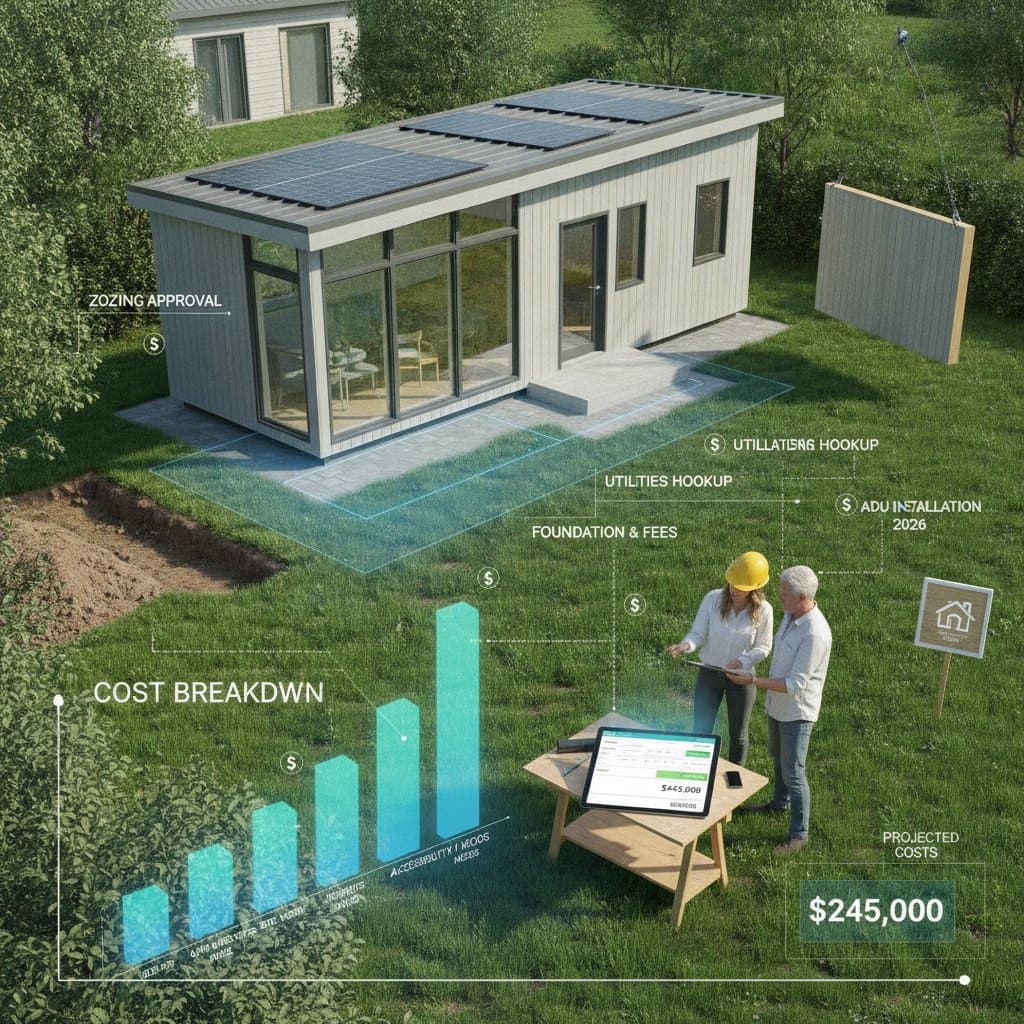
Multigenerational additions vary from attached apartments to standalone structures on the property. Options differ in size, configuration, and autonomy levels. Basic setups feature studio spaces with kitchenettes and bathrooms, whereas advanced designs include full secondary residences with independent utilities and dedicated entrances. Each configuration presents unique cost factors, zoning hurdles, and upkeep requirements.
Project elements encompass architectural drafting, permits, site readiness, foundations, utility integrations, interior builds, and inspections. Homeowners frequently overlook the intricacies of coordinating these phases within a single agreement. Unspecified scopes or overlooked site specifics often introduce unforeseen expenses.
Analyzing the Cost Structure
Total costs surpass basic construction quotes and include site work, design fees, and finishes. Independent units typically range from $180 to $500 per square foot, influenced by materials and regional labor rates.
Key categories break down as follows:
- Base construction: Framing, roofing, insulation, and drywall, ranging from $100 to $250 per square foot.
- Site preparation: Grading, excavation, and trenching, costing $10,000 to $30,000 based on soil and access.
- Permitting and design: Plans, engineering, and fees totaling $8,000 to $20,000.
- Interior finishing: Flooring, cabinets, lighting, and appliances, accounting for 20 to 40 percent of the budget.
Additional charges arise from utility connections for water, sewer, or power. Municipal impact fees for new units may add thousands. These elements seldom feature in initial bids but alter final outlays substantially.
Step-by-Step Process from Planning to Completion
A phased approach minimizes unexpected expenses. Treat the addition as sequential stages rather than a one-time deal.
- Initial planning: Identify the addition's role and features. Collect zoning details prior to engaging designers.
- Preliminary budgeting: Solicit detailed quotes from several builders. Assess the clarity of their breakdowns.
- Design phase: Collaborate with architects or design-build teams to settle on layouts, materials, and accessibility.
- Permitting and approvals: File plans with officials. Anticipate delays and adjustments.
- Construction phase: Track advancements via inspections. Record all modifications in writing.
- Final inspection and occupancy: Confirm code adherence before habitation.
Mastering these stages enhances oversight of timelines and expenditures. Bypassing early evaluations or hastening permits leads to delays, rework, and fines.
Understanding Contract Terms and Limitations
Contracts shape financial results decisively. Agreements may seem thorough yet omit critical duties. Scrutinize terms to identify exclusions.
- Scope exclusions: Items like landscaping, driveways, or lighting require explicit inclusion.
- Change-order policies: Modifications post-signature incur fees.
- Material substitutions: Builders may swap unavailable items for alternatives of varying quality.
- Warranty limits: Structural coverage spans years, but finishes last shorter periods.
Verify inclusions for drainage, insulation, and energy standards pre-signature. These affect sustained comfort and utility bills.
Financial Considerations Beyond Construction
Evaluation persists after building, covering financing, upkeep, insurance, and taxes. Each impacts ownership expenses.
- Financing: Equity or construction loans prevail. Interest-only phases during builds obscure full costs until permanent terms apply.
- Insurance: Added structures elevate replacement values and premiums. Detached units demand tailored policies.
- Utilities: Independent metering raises setup costs but eases shared billing.
- Property taxes: Improvements trigger reassessments, boosting annual levies.
When selecting loans, compute total interest against principal. Extended terms with low rates may increase overall payments.
Comparative Cost Overview
This table outlines average ranges and constraints by project type, drawn from builder data and homeowner reports.
| Project Type | Estimated Monthly Loan Payment | Typical Size Limit | Key Exclusions |
|---|---|---|---|
| Basic Attached Suite | $1,500 to $2,800 | Up to 600 sq ft | Shared utilities, limited privacy |
| Detached Granny Flat | $2,200 to $4,500 | Up to 900 sq ft | Separate foundation, elevated permits |
| Custom Wing | $3,500 to $6,500 | 1,000+ sq ft | Intricate designs, added inspections |
Costs escalate with autonomy and detail. Detached options heighten utility and base expenses yet enhance privacy and income potential.
Framework for Financial Decisions
A decision model compares additions to buying larger homes or repurposing spaces, factoring direct and indirect costs.
- Contrast total costs with alternatives: Factor relocation, commissions, and taxes.
- Project rental income: Standalone units can offset loans.
- Project upkeep expenses: Designs vary in roof, plumbing, and appliance lifespans.
- Gauge resale effects: Multigenerational features appeal variably.
Break-even calculations reveal value timelines. A $250,000 addition saving $2,000 monthly in housing recoups in about ten years, excluding upkeep and interest.
Mitigating Risks and Ensuring Protection
Verification and records curb overruns and conflicts.
- Secure multiple bids: Demand breakdowns of labor, materials, and subs.
- Check credentials: Ensure liability and compensation coverage.
- Schedule payments: Disburse upon milestone verifications.
- Review deliveries: Detect subpar substitutions early.
- Log interactions: Document alterations and reports.
Disputes frequently stem from ambiguities in cleanup or finishes. Specify these in writing prior to payout.
Addressing Common Exclusions and Challenges
Unexpected issues during work spark coverage disputes.
- Structural surprises: Legacy foundations or violations necessitate fixes.
- Utility constraints: Capacity shortages block permits.
- Zoning issues: Restrictions limit detached or rental uses.
- Existing non-compliance: Extra charges apply for corrections.
Require builders to assess sites and affirm compliance in writing. Absent this, alterations accumulate swiftly.
Managing Long-Term Maintenance
Post-completion, maintenance drives controllable costs. Separate systems for HVAC, plumbing, and roofing demand distinct schedules. Oversight extends lifespan and curbs repairs.
Adopt routines like seasonal checks on flashing, gutters, and seals. Maintain HVAC filters and drains. Retain upkeep logs for warranty support.
Ensuring Quality and Contractor Reliability
Quality starts pre-build. Seek references from three comparable projects and inspect progress routinely, focusing on framing, insulation, and sealing.
Define workmanship standards in agreements, such as tolerances for levels and joints. Objective criteria prevent subjective conflicts and foster accountability.
Navigating Regulations and Zoning
Rules dictate costs and viability. Areas classify additions differently, affecting occupancy, addresses, and safety.
Confirm classifications, setbacks, and surveys early. Non-conforming lots need variances, incurring delays and fees. Consult local planners to avert issues.
Strategies to Maximize Value
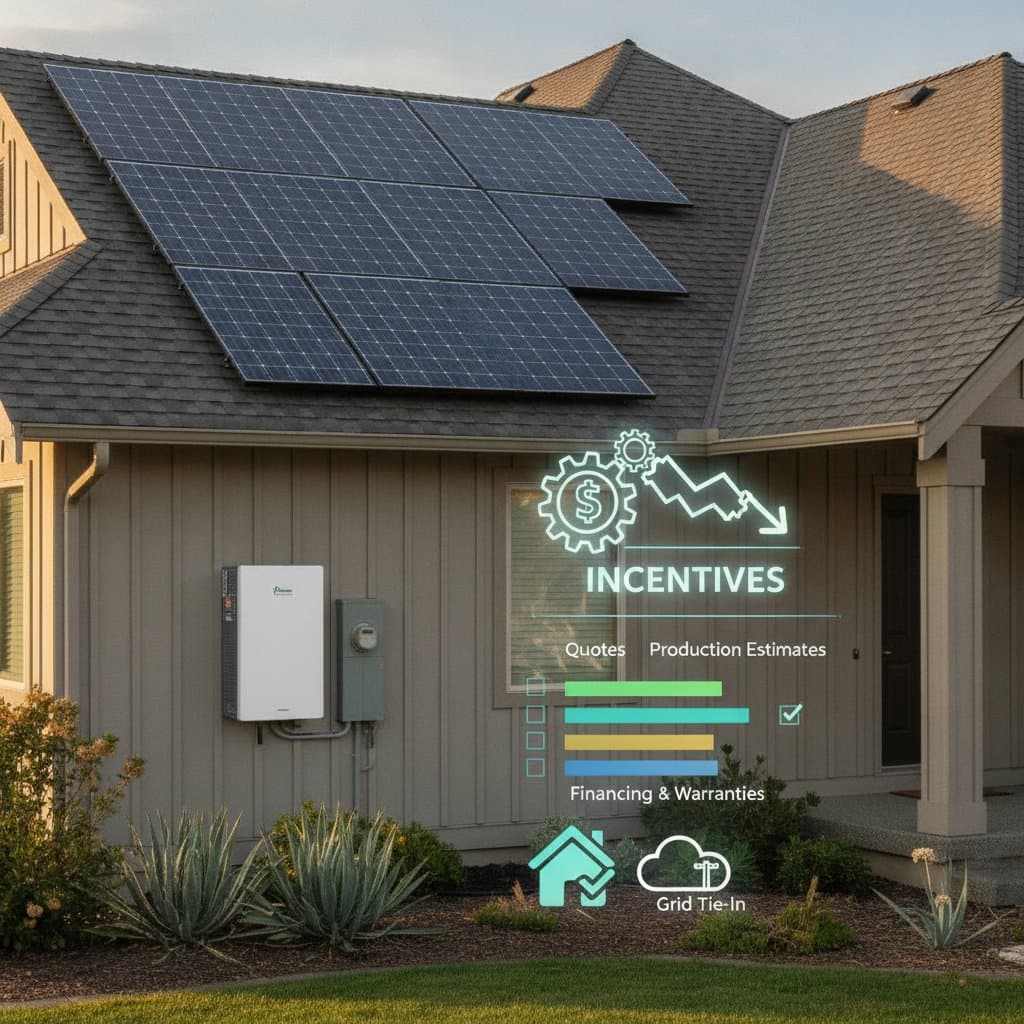
Multigenerational additions blend fiscal and familial benefits. Prioritize autonomy, accessibility, and efficiency. Select resilient, low-maintenance materials. Integrate heat pumps or solar provisions to cut utilities and boost appeal.