How Much Does Solar Removal Cost for Roof Repairs? Complete Pricing Guide
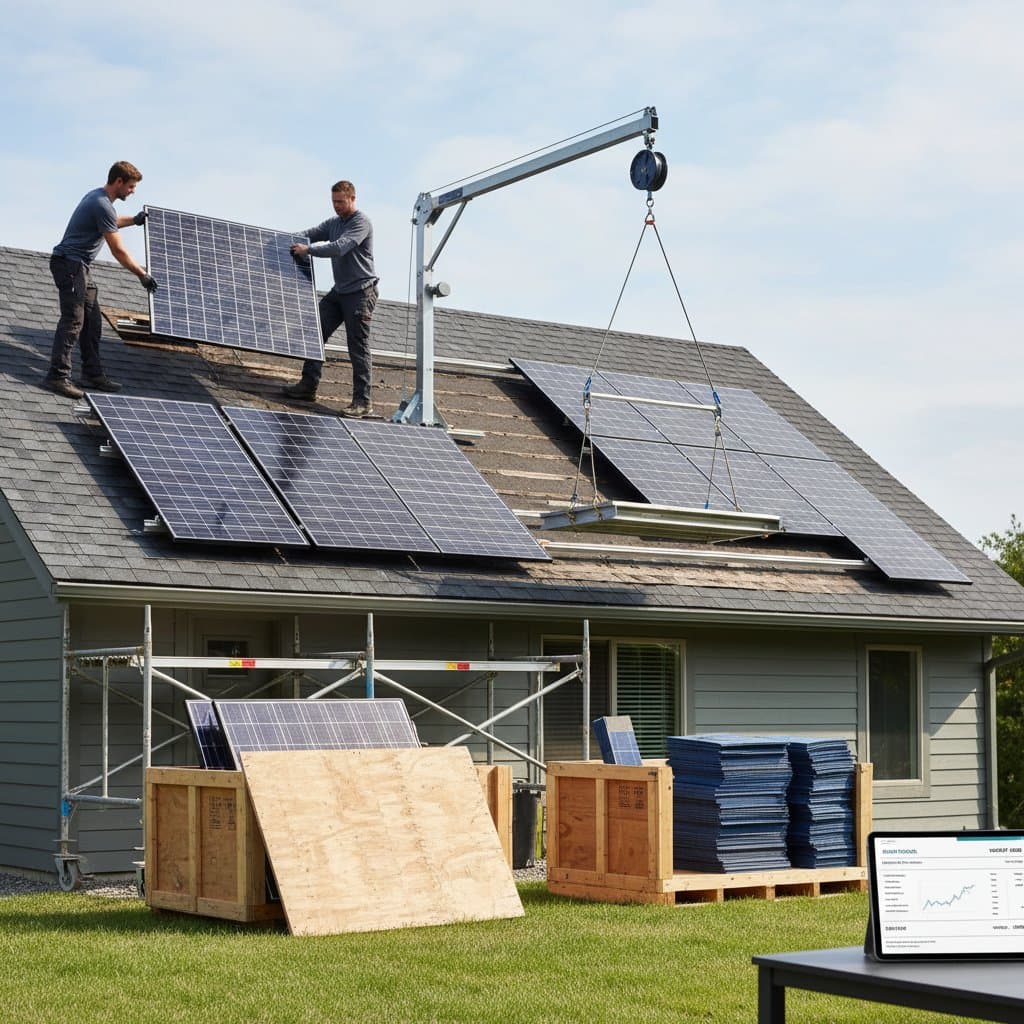
Removing solar panels for roof repairs maintains energy efficiency and structural integrity. Professional removal and reinstallation services range from $1,500 to $6,000, with the average project costing $3,750. This price covers labor for detaching panels, disconnecting electrical components, protecting panels during repairs, and reinstalling them afterward.
Three primary factors determine the total expense: system size, roof complexity, and technician expertise. Larger systems demand more labor time. Steep or multi-level roofs extend the work duration. Certified technicians from established firms like SunPower, Tesla Energy, or Momentum Solar guarantee safety and warranty compliance, though they command higher fees.
Data from the Solar Energy Industries Association indicates that expert handling retains up to 95 percent of a system's original efficiency. Professional intervention prevents damage to wiring and sustains peak performance post-reinstallation.
Detailed Cost Breakdown
Costs for solar panel removal vary by panel count, mounting method, and roof material. Across the nation, rates fall between $1.20 and $2.50 per watt for removal and reinstallation. A standard 6 kW system thus totals $2,500 to $4,000. Contractors often apply a minimum fee of $500 to $800 for smaller or partial jobs.
Systems under 3 kW at the lower end cost about $1,200. Those over 10 kW at the upper end surpass $6,000.
Size and Scope Factors
System size drives expenses most significantly. Each panel adds $60 to $120 in removal and reinstallation fees. A 20-panel system runs $2,000 to $3,000, whereas a 40-panel array approaches $5,000 or higher.
EnergySage research shows professional removal requires one to two days, influenced by access and weather conditions. Roofs featuring multiple angles or dormers increase labor by 10 to 20 percent.
Material and Quality Tiers
Panel type influences pricing.
- Entry-level polycrystalline panels simplify the process at $60 per panel.
- Mid-range monocrystalline options from Qcells or REC average $80 to $100 per panel.
- Premium SunPower Maxeon panels demand $120 to $150 each due to dense power output and custom mounts.
Systems with microinverters or monitoring equipment incur an extra $300 to $600 for disconnection and setup.
Complexity Variables
Challenges like limited access, delicate roofing, or outdated mounts elevate prices. Tile or slate roofs necessitate cautious handling, adding $500 to $1,000 in labor. Urban areas such as San Francisco or New York impose 15 to 25 percent premiums from elevated labor and permits.
Technicians verify electrical code adherence. Necessary wiring upgrades add $200 to $400 per circuit.
Service Types and Comprehensive Pricing
Standard Solar Removal Package
Basic packages encompass detaching panels and racking, labeling components for storage, inverter disconnection, roofer coordination, and system testing upon reinstallation. These services span one to two days and cost $1,500 to $3,500 for systems up to 7 kW. They fit routine maintenance or shingle replacements without major alterations.
Premium Reinstallation Service
Enhanced options feature electrical inspections, hardware replacements, inverter adjustments, and updated roof flashing. These boost costs by 25 to 40 percent, reaching $3,500 to $6,000. Such investments yield 5 to 8 percent efficiency gains and extended warranties on labor and parts.
Add-On Services and Bundled Savings
| Add-On Service | Average Cost | Bundle Savings |
|---|---|---|
| Panel cleaning | $200 - $400 | 10% off with removal |
| Roof inspection certification | $150 - $250 | Included in premium |
| Mounting hardware upgrade | $300 - $600 | 15% savings when bundled |
| Extended labor warranty | $100 - $200 | Available with certified |
Bundling removal, repairs, and reinstallation with one provider cuts time and saves up to 15 percent over separate hires.
Professional vs DIY Analysis
DIY Cost Breakdown
Homeowners eyeing self-removal need basic supplies: wire labeling kits at $25, wrench sets at $60, safety harness and ladder rentals at $100, and storage padding at $150. Overall DIY expenses hit $300 to $500, ignoring time and hazards. Removal alone may consume 10 to 20 hours, with mistakes leading to costly fixes in wiring or leaks.
Professional Advantages
Certified experts finish tasks 70 percent quicker and provide $500 to $1,000 in warranty value. Their tools and equipment minimize risks and panel damage. One error, like a cracked panel, offsets all DIY economies. Professionals manage inspections and utility approvals, streamlining the process.
Decision Framework
Opt for professionals on systems over 3 kW, those with microinverters, or under warranty. DIY suits small off-grid or ground-mounted arrays with basic wiring. Prioritize efficiency preservation and roof warranty integrity for lasting benefits.
Actionable Cost-Saving Strategies
Timing Optimization
Rates vary seasonally, with 10 to 20 percent discounts in off-peak periods of low roof demand. Midweek scheduling avoids travel fees.
Smart Shopping Tactics
Secure three quotes via EnergySage or Thumbtack to save up to 18 percent. Inquire about upfront payment reductions of 2 to 5 percent. Align roofers and solar teams to eliminate redundant setup costs.
Preparation Actions
Ease expenses by clearing attic paths, removing nearby debris, and marking breakers ahead. These steps trim $50 to $100 per labor hour. Detail roof type, panel numbers, and inverter specs to contractors for accurate bids.
Market Dynamics and Considerations
Geographic Variations
Regional differences shape pricing. Coastal urban zones add 20 percent premiums, while Midwest and South align with national averages. Technician availability impacts schedules and reliability.
Market Timing and Material Costs
Labor gaps and supply issues for hardware or connectors lift totals by 5 to 10 percent. Firms with stable suppliers offer consistent rates.
Safeguarding System Performance
Professional removal protects your solar setup's longevity and output. By selecting certified services and strategic timing, homeowners secure reliable energy production alongside a durable roof. This approach maximizes return on initial investments while minimizing disruptions.