Does a Home Warranty Cover AI-Powered HVAC Systems?
Smart climate control transforms how homeowners achieve comfort, optimize efficiency, and handle maintenance. AI-powered HVAC systems incorporate sensors, predictive analytics, and adaptive controls to regulate temperature and energy consumption automatically. These innovations reduce utility expenses and maintain steady indoor environments, yet they introduce complexities in repair expenses and warranty protection. Traditional failures in furnaces or air conditioners receive clear coverage, but AI-integrated equipment blurs lines between mechanical and digital parts, complicating warranty applications.
Defining the Service Scope
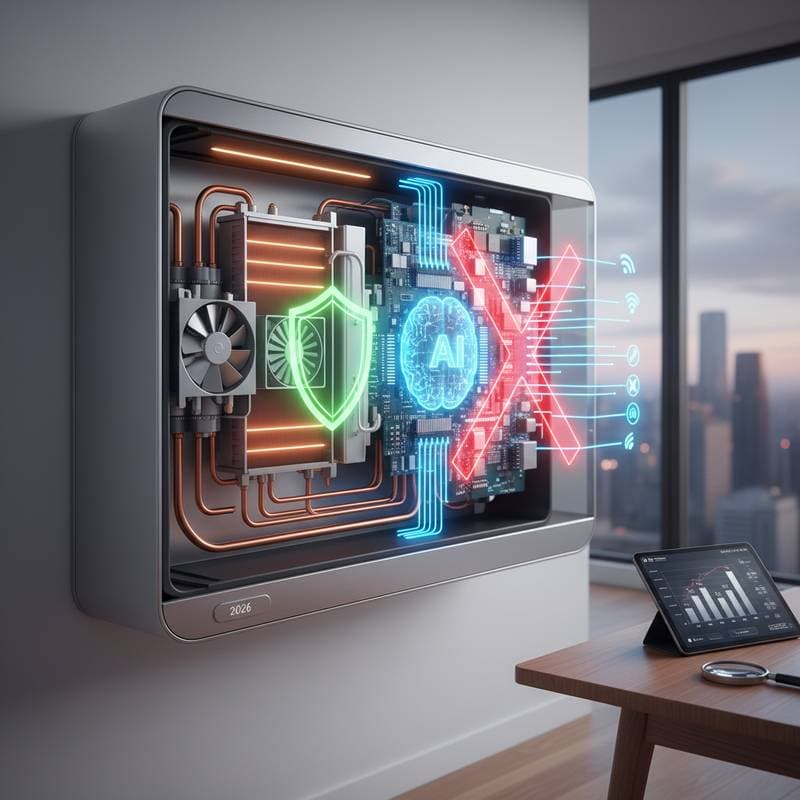
A home warranty functions as a service contract that addresses repairs or replacements for essential home systems and appliances. Coverage generally encompasses heating, cooling, plumbing, and electrical components. Standard plans target conventional HVAC units with mechanical elements such as compressors, coils, and fans. AI-powered systems add sophisticated sensors, connected thermostats, and cloud-based software to monitor usage patterns. These enhancements boost functionality, but they introduce hardware and software layers that warranty providers often classify separately.
Homeowners evaluating warranties for AI-integrated systems must verify if the policy defines the HVAC system inclusively to cover digital interfaces, learning algorithms, and connectivity modules. Policies limited to mechanical components may omit electronic controls or smart modules, resulting in unprotected areas.
Cost Structure and Coverage Levels
Examining warranty pricing and organization reveals potential coverage extents. Providers typically present tiered plans with varying protection degrees.
| Coverage Level | Monthly Cost | Service Fee | Coverage Limits | Key Exclusions |
|---|---|---|---|---|
| Basic Plan | $40 to $55 | $75 to $100 | Up to $500 per incident | Smart modules, software updates |
| Premium Plan | $60 to $85 | $75 to $125 | Up to $1,500 per incident | Cloud connectivity, third-party devices |
These ranges draw from general market trends. The service fee activates with each claim submission. Premium options might include built-in electronic controls, though coverage for external smart thermostats or software subscriptions remains limited. Owners of AI-driven systems frequently find that intelligent hardware components escape standard definitions.
How the Claim Process Works
Home warranty repair claims proceed through a structured sequence.
- Initial contact: Homeowners file a service request via online portal or telephone with the provider.
- Assessment phase: The provider dispatches a technician for inspection. AI systems demand combined mechanical and digital diagnostics.
- Approval process: The provider assesses the technician report against policy terms to confirm coverage.
- Service delivery: Approved repairs or replacements commence. Sourcing parts for advanced sensors or circuit boards can extend timelines.
- Follow-up requirements: Providers may mandate evidence of software updates or restored connectivity to sustain coverage.
This sequence appears straightforward, but AI systems intensify evaluation challenges. Software failures, distinct from mechanical issues, often qualify as non-covered incidents.
Coverage Limitations and Denial Reasons
AI-powered HVAC systems present distinct exclusion hazards. Contracts frequently reject claims due to:
- Software malfunction: Updates triggering control failures receive classification as non-mechanical issues.
- Third-party devices: Links to external smart home platforms invalidate protection if they provoke malfunctions.
- Connectivity errors: Internet outages or cloud server problems affecting performance fall outside coverage.
- Improper maintenance: Neglected filter replacements or software updates prompt denials.
- Unauthorized modifications: Installed aftermarket sensors or controllers can nullify the entire policy.
Such exclusions underscore the need to review contract sections meticulously. Overlooked details may escalate personal expenses significantly.
Financial Implications and Total Cost of Ownership
Assessing home warranty plans requires computing total ownership costs, including annual premiums, service fees, and possible uncovered repairs. For example, a $720 yearly plan with three $100 service calls totals $1,020, excluding additional outlays. AI systems amplify these figures through specialized part costs and technician expertise needs.
Evaluating Coverage Options
Homeowners can strengthen protection by:
- Confirming equipment classification: Ensuring providers include smart components within HVAC definitions.
- Checking repair authorization policies: Verifying requirements for network-approved technicians to uphold coverage.
- Reviewing claim history limits: Noting annual or per-system payout caps.
- Examining replacement value rules: Understanding depreciation impacts on reimbursements for aging units.
- Inquiring about software coverage: Determining eligibility for firmware updates or app failures under claims.
Securing Comprehensive Protection for Smart Systems
AI-powered HVAC systems provide superior efficiency and comfort, blending mechanical reliability with digital innovation. Selected warranties deliver substantial benefits when aligned with these technologies, though many policies trail advancements. Homeowners gain security through diligent policy reviews, exclusion verifications, and provider comparisons. This approach, combined with regular maintenance and vigilant monitoring, shields investments in intelligent climate solutions.