Understanding Crawl Space Water Issues
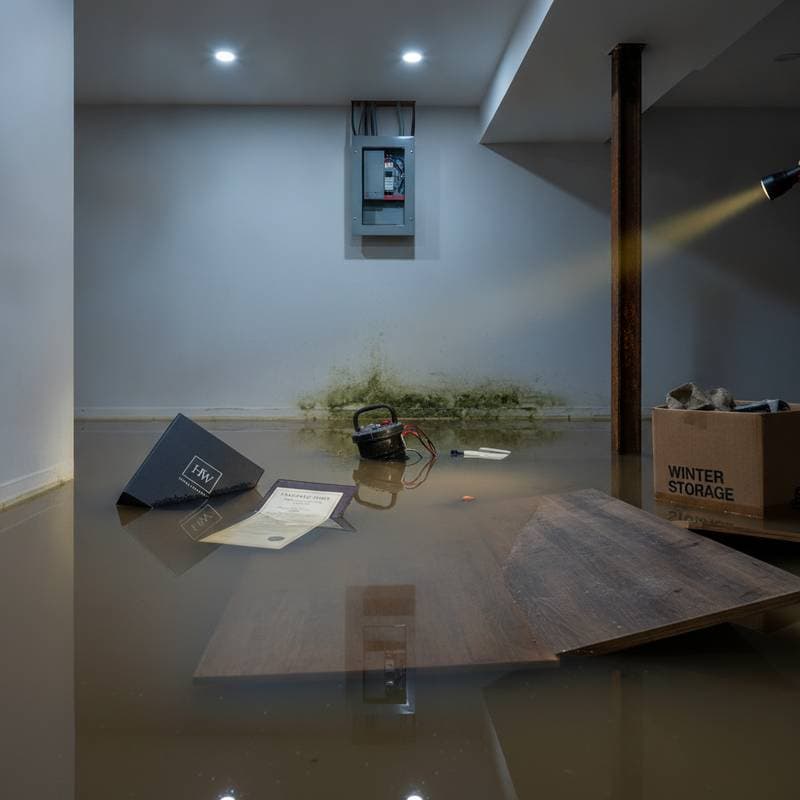
Water accumulation in crawl spaces often goes unnoticed until significant damage occurs. This moisture can erode the foundation, promote mold growth, and compromise the home's structural stability. Homeowners must address these problems early to prevent costly repairs and health hazards.
Common causes include poor site drainage, high groundwater levels, leaking pipes, and inadequate ventilation. Rainwater runoff from roofs and landscapes frequently directs water toward the foundation if gutters and grading are not properly managed. Soil expansion and contraction due to moisture fluctuations can also crack foundations over time.
Key Prevention Strategies
Effective prevention begins with exterior measures to divert water away from the home. Proper grading ensures the soil slopes away from the foundation at a rate of at least six inches over the first ten feet. Install and maintain gutter systems with extensions that carry water at least five feet from the house.
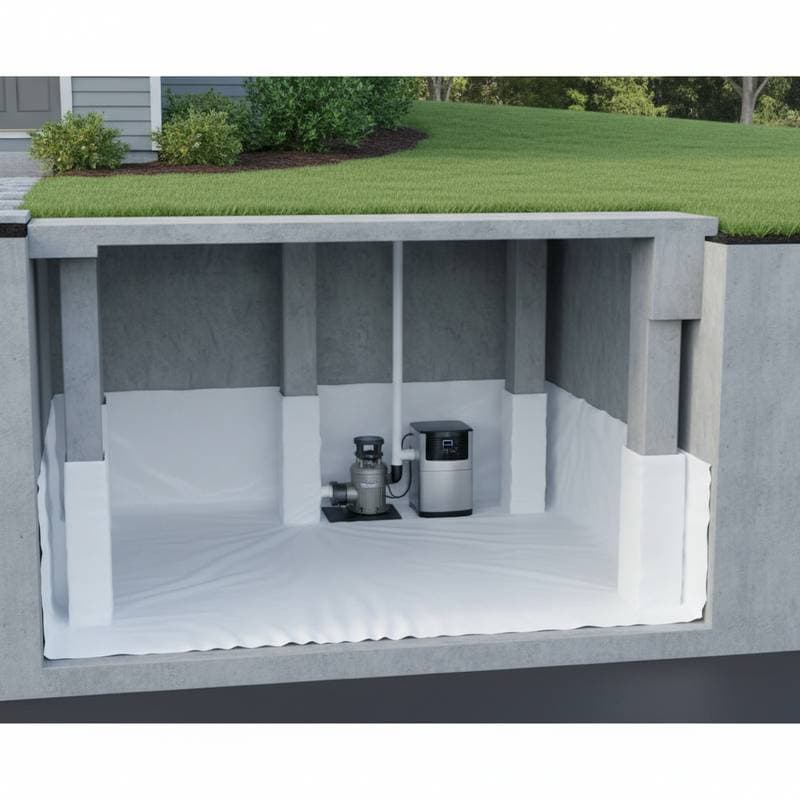
Interior solutions focus on controlling moisture that enters the crawl space. Sump pumps effectively remove standing water by collecting it in a basin and pumping it outside through a discharge line. These systems require a backup battery or alarm for reliability during power outages.
Sealing the crawl space with a vapor barrier prevents soil moisture from evaporating into the air. This heavy-duty polyethylene sheet, at least 6 mil thick, covers the entire floor and overlaps up the walls by six to twelve inches. Secure seams with waterproof tape to create a continuous barrier.
Dehumidifiers maintain humidity levels below 60 percent, reducing condensation and mold risk. Select units sized for the crawl space volume, typically 1,500 to 3,000 square feet, with automatic drainage to avoid manual emptying.
Repair Options and Cost Considerations
If water damage already exists, repairs vary by severity. Minor issues like patching cracks with hydraulic cement cost $200 to $500 and take one to two days. Extensive repairs, such as installing French drains around the foundation perimeter, range from $2,000 to $6,000 and require one to three weeks.
Full encapsulation, which combines vapor barriers, sealing vents, and dehumidification, costs $3,000 to $10,000 based on materials and space size. Dehumidifier units rated for crawl spaces run $800 to $2,000, with installation adding $300 to $700.
Factors that increase expenses include limited access, elevated groundwater, or mold remediation, which may add $1,000 to $5,000. Labor rates differ by region, with urban areas often 20 to 30 percent higher than rural ones. Soil type influences costs; clay soils retain water longer and demand more robust solutions.
DIY Tasks Versus Professional Services
Some preventive measures suit homeowners with basic skills. Clean gutters twice yearly to ensure free flow, and add downspout extensions using PVC pipes for under $50. Patch small foundation cracks with hydraulic cement after cleaning the area thoroughly. Lay a basic vapor barrier by unrolling reinforced plastic and securing it with tape, though professional-grade installation yields better results.
These tasks require beginner to intermediate skills and take four to eight hours. Always prioritize safety: wear gloves, eye protection, and a respirator mask in damp environments to avoid inhaling mold spores or irritants.
Professional intervention is essential for complex work. Regrading the yard demands heavy equipment and knowledge of local building codes. Sump pump installation involves electrical wiring and plumbing, posing risks if mishandled. Encapsulation projects require expertise to seal around piers and vents properly. Contact a licensed waterproofing specialist for any electrical or structural modifications.
In cases of standing water or visible mold, engage a restoration contractor immediately. They assess the extent of damage and ensure safe remediation to prevent health issues.
Ongoing Maintenance for Longevity
Regular upkeep extends the life of prevention systems. Perform quarterly checks on gutters, downspouts, and sump pump functionality; test the pump by pouring water into the basin to verify operation.
Inspect vapor barrier seams and wall seals twice annually, repairing any tears with compatible tape. After heavy rainfall, examine the crawl space for standing water or dampened insulation, addressing issues promptly.
A properly installed drainage and barrier system lasts 15 to 25 years with diligent care. Sump pumps endure about 10 years; clean the impeller and check the float switch yearly. Replace dehumidifier filters every three months to sustain efficient airflow and performance.
Frequently Asked Questions
How do I detect crawl space flooding? Signs include standing water, persistent musty odors, or developing foundation cracks. Use a moisture meter to measure humidity; levels above 70 percent indicate a problem.
Is a vapor barrier necessary with a sump pump? Yes, because sump pumps handle liquid water, while vapor barriers stop soil moisture vapor from permeating the air and causing humidity buildup.
Can regular plastic sheeting substitute for crawl space vapor barrier material? No, standard thin plastic lacks durability and tears easily under foot traffic or shifting soil. Opt for reinforced 12-mil polyethylene designed for subfloor use.
Safeguarding Your Home's Foundation
Maintaining a dry crawl space preserves your foundation's integrity, minimizes mold threats, and enhances overall home comfort. Implement drainage improvements first, followed by interior sealing and humidity controls. Consistent inspections and minor adjustments ensure these systems perform reliably, protecting your investment for generations.