Essential Flood Proofing Measures Your Insurance Policy Overlooks
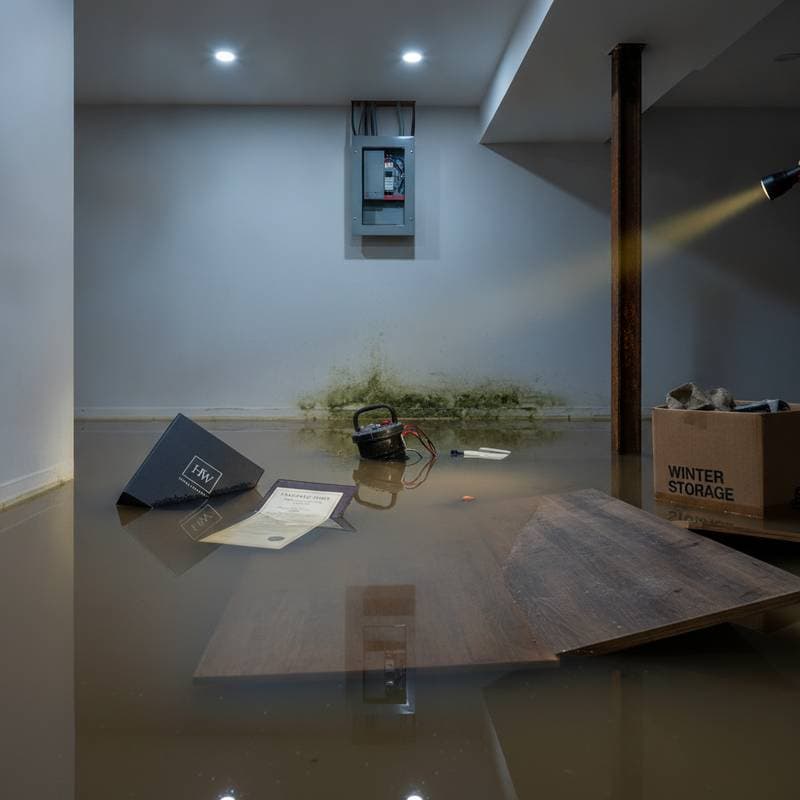
Flood proofing involves structural and mechanical upgrades designed to prevent water from entering a home or to minimize damage if water does intrude. Many homeowners believe that standard insurance policies or home warranties provide comprehensive protection against water damage. In reality, these policies often exclude coverage for surface flooding, which leaves property owners to handle prevention and mitigation on their own.
The consequences of these coverage gaps become evident during the first significant storm, when details in policy language determine what qualifies for reimbursement. Proactive flood proofing addresses these vulnerabilities by creating multiple layers of protection. This approach not only safeguards the property but also preserves financial stability in the face of unexpected water events.
Key Overview
Definition: Flood proofing refers to targeted modifications that either redirect water away from the structure or facilitate rapid recovery after inundation.
Importance: Standard homeowners insurance typically covers sudden internal leaks but excludes external flooding from rain, storms, or rising groundwater. Federal flood insurance through the National Flood Insurance Program also has limitations, such as waiting periods and elevation requirements.
Cost Range: Projects vary from $5 to $80 per square foot, influenced by factors like site elevation, soil type, and the extent of drainage improvements.
Professional Involvement: Engage experts for tasks involving structural integrity, electrical connections, or land alteration to ensure compliance and safety.
Timeline: Basic sealing applications require two to three days, while comprehensive efforts like elevating systems or regrading the landscape may span one to three weeks.
Ongoing Care: Schedule inspections of drainage systems, pumps, and seals every six months to maintain effectiveness.
Mechanisms of Flood Proofing
Effective flood proofing employs a multifaceted strategy to manage water threats. Each component targets a specific vulnerability, from surface runoff to subsurface pressure.
-
Site Grading and Drainage Systems: Proper sloping directs rainwater at least six feet away from the foundation, preventing pooling. Install French drains or swales in low-lying areas to channel excess water efficiently.
-
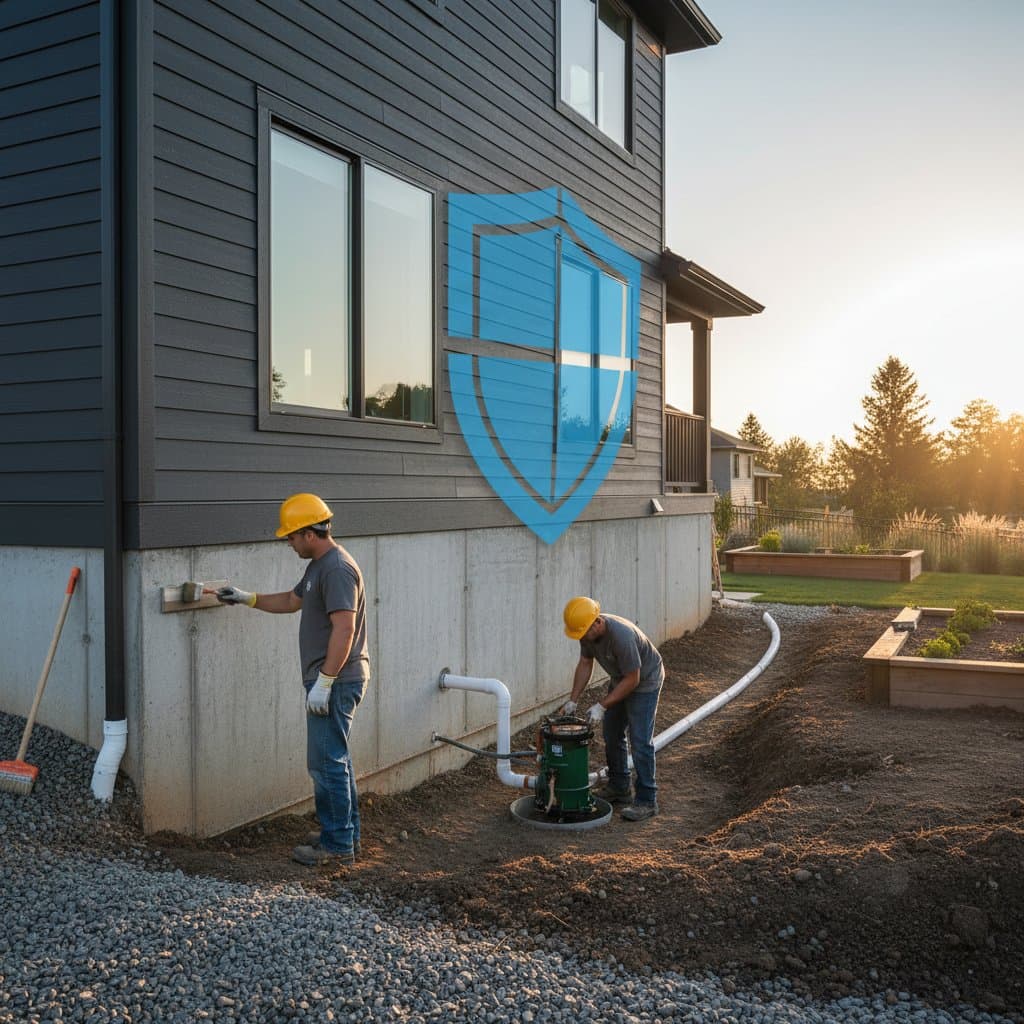
Foundation Sealing: Apply hydraulic cement or polyurethane injections to seal cracks wider than one-eighth inch. This prevents seepage through concrete slabs or basement walls during heavy saturation.
-
Sump Pump Installation: These devices collect groundwater in a basin and discharge it through pipes to a safe outlet. Opt for models with battery backups to operate during power outages.
-
Backflow Prevention Valves: These one-way mechanisms install on sewer lines to block reverse flow from municipal systems overwhelmed by stormwater.
-
Flood Vents in Enclosed Spaces: Engineered vents in crawlspace walls equalize hydrostatic pressure, allowing water to flow through rather than exert force that could collapse foundations.
-
Temporary Barriers and Shields: Deploy sandbags, inflatable dams, or metal panels at entry points like garage doors and ground-level windows during storm warnings.
-
Utility Elevation: Raise electrical panels, HVAC units, and water heaters onto platforms above the base flood elevation, as defined by local floodplain maps.
When integrated, these elements form a resilient defense that reduces both immediate risks and long-term repair needs.
Developing a Comprehensive Flood Proofing Strategy
Begin with a thorough assessment to identify site-specific risks, such as proximity to rivers or poor soil drainage. Consult local floodplain maps available through community planning offices to understand designated flood zones.
-
Evaluate Existing Grading and Gutters: Ensure downspouts extend at least five feet from the house and that the ground slopes away at a minimum two percent grade. Clear debris from gutters annually to maintain flow.
-
Examine Foundation for Vulnerabilities: Use a flashlight and probe to detect cracks or gaps at joints. For repairs, clean the area thoroughly before applying sealant, allowing 24 hours for curing.
-
Verify Sump Pump Functionality: Simulate operation by adding five gallons of water to the pit and observing discharge. Replace units older than seven years or those without alarms for high-water detection.
-
Incorporate Backflow Safeguards: Hire a plumber to assess the main sewer line and install a valve compliant with local plumbing codes. Test annually by flushing the system.
-
Secure All Penetrations: Caulk around utility entries, dryer vents, and exterior faucets with silicone-based products rated for exterior use. Inspect for wear during seasonal changes.
-
Install Rated Flood Vents or Barriers: Select FEMA-approved vents spaced no more than ten feet apart in enclosed areas. For barriers, practice deployment to ensure quick setup under 30 minutes.
-
Record All Modifications: Photograph before-and-after conditions and retain invoices. Submit this documentation to your insurer to potentially qualify for premium discounts or enhanced coverage riders.
Follow this sequence to build protection incrementally, starting with low-cost inspections before advancing to installations.
Breaking Down the Expenses
Budgeting for flood proofing requires considering material quality, labor rates, and regional variations. Costs can increase in areas with rocky soil or stringent building codes.
| Component | Cost Range | Influencing Factors |
|---|---|---|
| Sealants and Crack Repairs | $500 to $2,000 | Foundation material (concrete vs. block), number of access points, and labor for preparation |
| Sump Pump System with Backup | $1,200 to $3,000 | Inclusion of alarms, pit depth, and piping length to discharge point |
| Backflow Valve Installation | $400 to $900 | Plumbing configuration, need for excavation, and post-install testing |
| Flood Vents | $200 to $800 per unit | Number required based on wall perimeter, plus installation hardware |
| Grading and Drainage Enhancements | $2,000 to $6,000 | Yard size, soil compaction needs, and addition of permeable surfaces |
| Flood Barriers or Shields | $1,500 to $5,000 | Coverage area, material durability (aluminum vs. plastic), and customization |
Additional expenses may arise from permits ($100 to $500) or engineering consultations in high-risk zones. Explore grants from organizations like the Federal Emergency Management Agency for eligible properties.
Weighing DIY Options Against Professional Services
Homeowners with relevant experience can tackle simpler tasks, but complex work demands certified expertise to avoid hazards and ensure longevity.
| Consideration | DIY Approach | Professional Service |
|---|---|---|
| Required Expertise | Basic for sealants; advanced for pipe modifications | Licensed plumbers, electricians, or contractors for compliance |
| Potential Hazards | Minimal for surface work; elevated for digging or wiring | Experts manage risks like structural instability or electrical shorts |
| Necessary Equipment | Basic hand tools like trowels and levels | Heavy machinery such as backhoes for grading |
| Regulatory Compliance | Permits needed for drainage or electrical; self-filing possible | Professionals handle applications and inspections |
| Project Duration | Weekends for small jobs; months for phased efforts | Streamlined to days or weeks with coordinated teams |
| Coverage Implications | May invalidate warranties if improperly done | Certified work supports insurance claims and manufacturer guarantees |
For DIY, prioritize safety training through online resources from building associations. Always verify local ordinances before starting.
Essential Safety and Regulatory Considerations
Protect yourself by donning protective gloves, sturdy boots, and safety glasses when handling sealants or excavating. Shut off electricity at the main panel before working in damp environments to prevent shocks.
Adhere to building codes, which often mandate specific valve types, vent placements, and discharge pipe routings away from neighboring properties. Avoid permanent obstructions to emergency exits, ensuring barriers can be removed swiftly. In flood-prone regions, obtain elevation certificates to confirm compliance with federal standards.
Sustaining Your Flood Proofing Investments
Regular upkeep extends the durability of these systems. Sealants typically endure five to ten years before reapplication, depending on exposure to freeze-thaw cycles.
Test pumps and valves biannually, especially before rainy seasons, by running diagnostic cycles. Clean discharge lines to remove blockages from leaves or sediment, and inspect barriers for gasket integrity annually. Document maintenance in a log to track performance and support insurance reviews.
Advancing Your Home's Resilience
Implementing these flood proofing measures transforms potential disaster into manageable risk. Homeowners who act early report fewer claims and lower premiums over time. Consult a local flood mitigation specialist to tailor a plan that fits your property's unique profile, ensuring long-term security against water threats.