The Real Cost of Multigenerational Homes in 2025
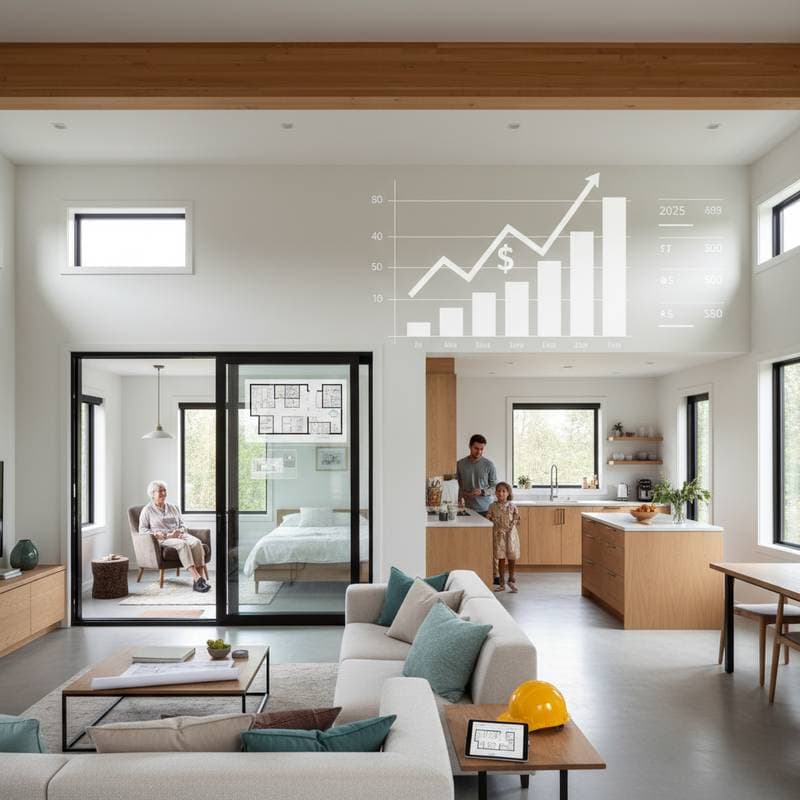
Families increasingly choose to live together across generations. Factors such as escalating housing prices, the demand for elder care, and the need for shared childcare responsibilities have revived the appeal of multigenerational living arrangements. Options range from constructing an accessory dwelling unit (ADU) to renovating a basement or extending the primary residence. A clear grasp of associated expenses enables informed decision-making and effective project management.
This guide explores the financial aspects of these projects in 2025. It covers essential planning elements, detailed cost factors, and strategies for balancing quality with budget constraints. By addressing these topics, families can create spaces that foster harmony, support independence, and deliver enduring value.
Essential Planning Considerations
Before initiating construction, families must evaluate several critical elements to align the project with their unique needs. These decisions influence not only the initial investment but also the functionality and comfort of the living space over time.
- Layout Design: Determine whether to incorporate separate entrances for privacy or shared common areas to promote interaction. For instance, a dedicated entrance for an ADU enhances autonomy while a communal kitchen encourages family meals.
- Plumbing and Electrical Systems: Assess the feasibility of integrating new lines with existing infrastructure or installing independent systems. Tying into current setups often reduces expenses, but separate systems may offer greater flexibility for future modifications.
- Accessibility Features: Incorporate elements like step-free entries, wider doorways, grab bars, and lever-style handles to accommodate varying mobility levels. These adaptations ensure the space remains usable as family members age.
- Privacy Measures: Include soundproofing materials, private bathroom access, and adaptable kitchen configurations. Such features help maintain personal boundaries within a shared household.
- Zoning Regulations and Permits: Research local ordinances governing ADUs or in-law suites, including size restrictions and setback requirements. Early compliance prevents costly delays or redesigns.
- Future-Oriented Planning: Consider potential uses such as rental income or improved resale value. Designs that allow for reconfiguration can adapt to changing family dynamics or market conditions.
Thorough planning in these areas sets a strong foundation. Families who prioritize these aspects often report higher satisfaction with the final outcome and fewer unexpected challenges during construction.
Detailed Cost Analysis
Construction costs for multigenerational homes in 2025 typically range from $120 to $400 per square foot. This variation stems from choices in materials, project complexity, and regional influences. Understanding the components that drive these figures empowers families to allocate resources effectively.
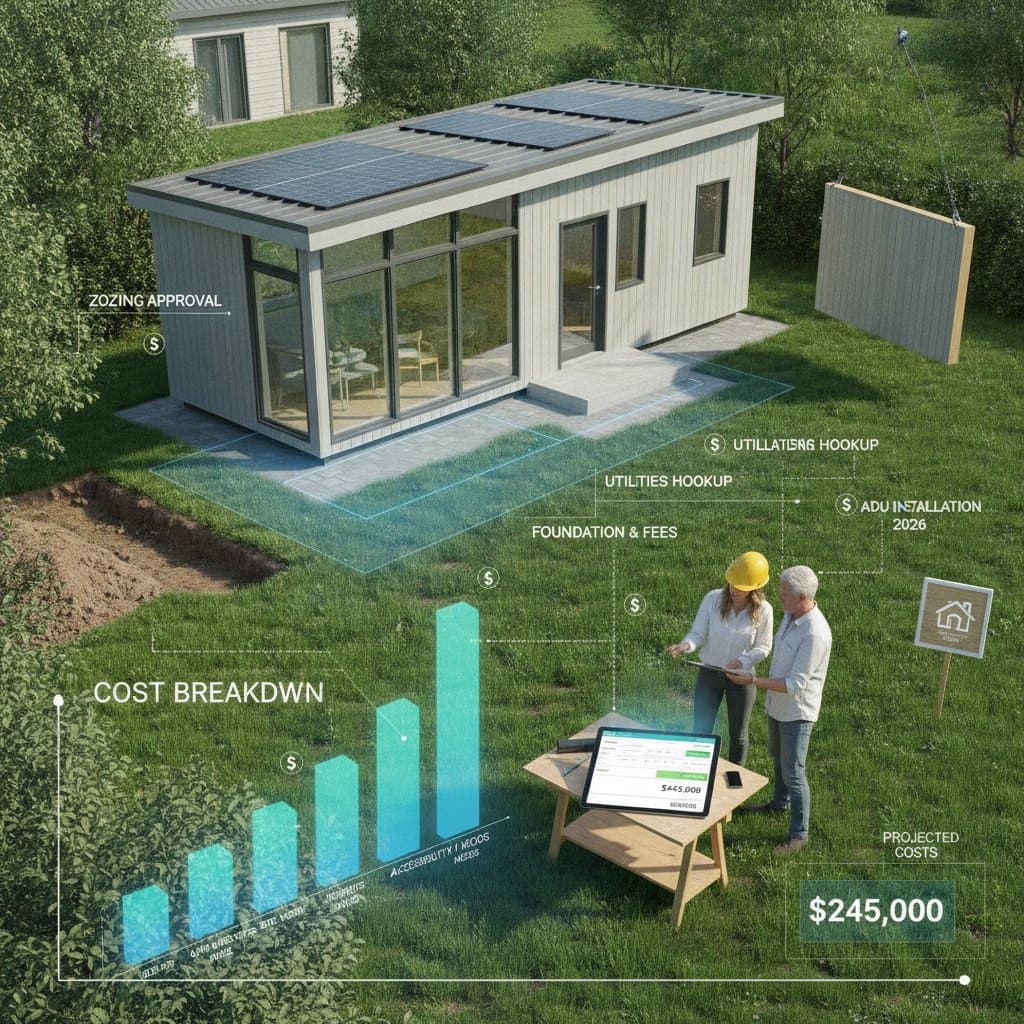
Site preparation forms a foundational expense. Tasks such as grading the land, pouring foundations, and connecting utilities can total $10,000 to $40,000. In areas with challenging soil conditions, additional stabilization measures may push costs toward the higher end of this spectrum.
Plumbing and electrical installations represent another significant outlay. Rough-in work for kitchens and bathrooms generally costs $8,000 to $25,000. Factors like the distance from existing lines or the need for specialized fixtures, such as low-flow toilets for water conservation, affect the final amount.
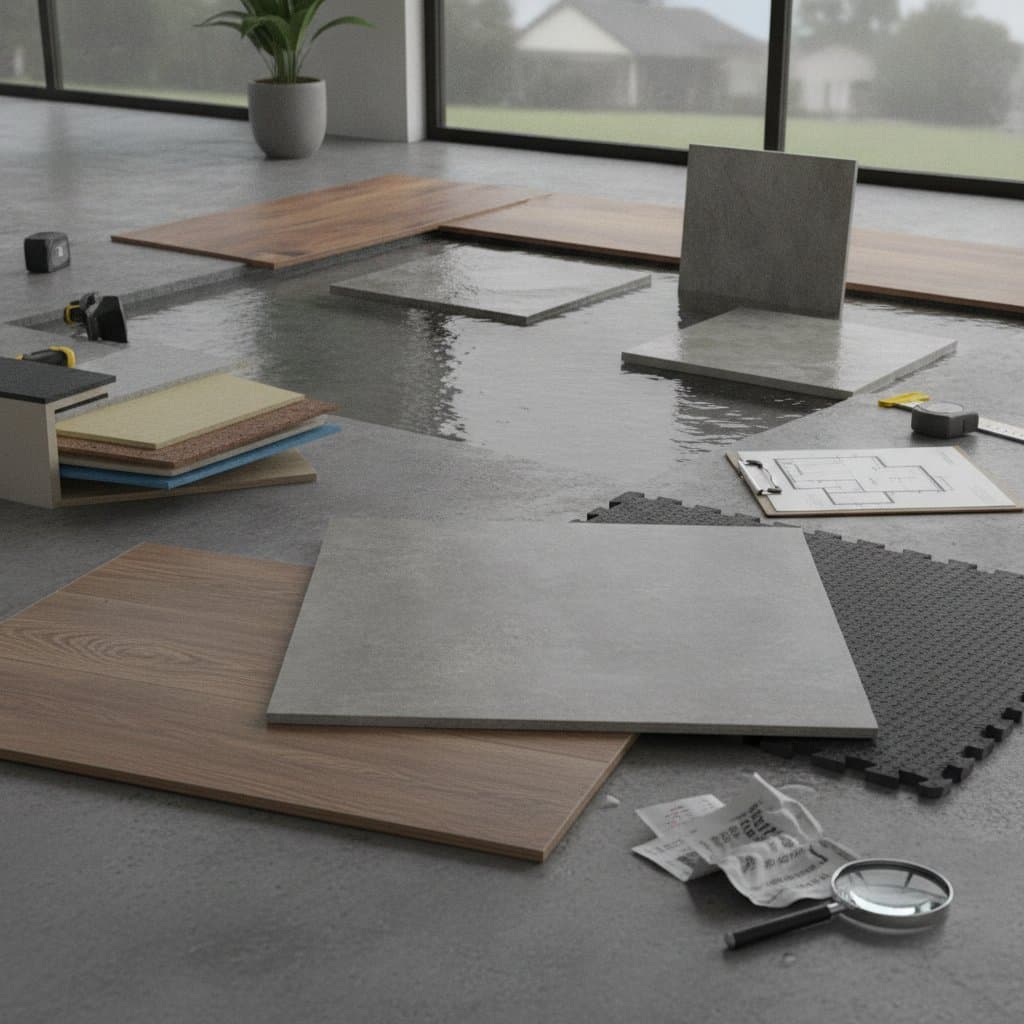
Interior finishes contribute substantially to the overall aesthetic and durability. Options span from economical vinyl flooring and laminate countertops to premium choices like natural stone tiles and solid hardwood. Budget-conscious selections can lower costs by 20 to 30 percent without sacrificing essential quality.
Permits, architectural design, and engineering fees account for 10 to 15 percent of the total budget. These professional services ensure regulatory adherence and structural integrity. Engaging an architect early can uncover opportunities to optimize space and reduce material waste.
Accessibility modifications add $5,000 to $20,000, depending on the extent of changes. Installing ramps, expanding doorways to 36 inches, and adapting bathrooms with roll-in showers provide practical benefits. These investments often qualify for tax credits or grants aimed at aging-in-place initiatives.
Premium elements, such as intricate roof designs or navigation on compact urban sites, can elevate expenses rapidly. Conversely, strategies like retaining existing walls, repurposing cabinetry, or scaling down kitchen dimensions help control spending. Families who focus on high-impact areas, like efficient lighting and insulation, achieve cost savings while enhancing energy performance.
Balancing DIY Efforts with Professional Expertise
Homeowners face choices between self-directed tasks and hiring specialists. Each approach offers distinct advantages, and a hybrid model often yields the best results for multigenerational projects.
Certain phases lend themselves to do-it-yourself involvement. Painting walls, laying flooring, installing trim, and performing basic landscaping can save thousands of dollars. These activities require tools commonly found in most households and can span several weekends, allowing families to personalize the space at their pace.
However, core structural and systems work demands professional oversight. Foundations, framing, roofing, and integrations for electrical or plumbing must meet stringent building codes to ensure safety. Licensed contractors mitigate risks associated with these elements, from load-bearing calculations to proper wiring standards.
A general contractor oversees the entire process, managing permits, scheduling inspections, and coordinating subcontractors. Their fee, typically 10 to 20 percent of the project budget, covers this orchestration. Selecting a contractor with experience in multigenerational builds ensures attention to details like sound isolation and universal design principles.
Ongoing Maintenance and Longevity
A thoughtfully constructed addition or ADU matches the durability of the primary home when maintained properly. Proactive care preserves its condition and minimizes repair expenses over decades.
Establish a routine for key inspections and updates. Examine the roof every two to three years to detect wear from weather exposure. Replace HVAC filters quarterly to maintain air quality and system efficiency.
Refresh exterior and interior elements periodically. Repaint trim every five to seven years to protect against moisture and fading. Apply caulk to joints and inspect moisture barriers annually, particularly in areas prone to humidity.
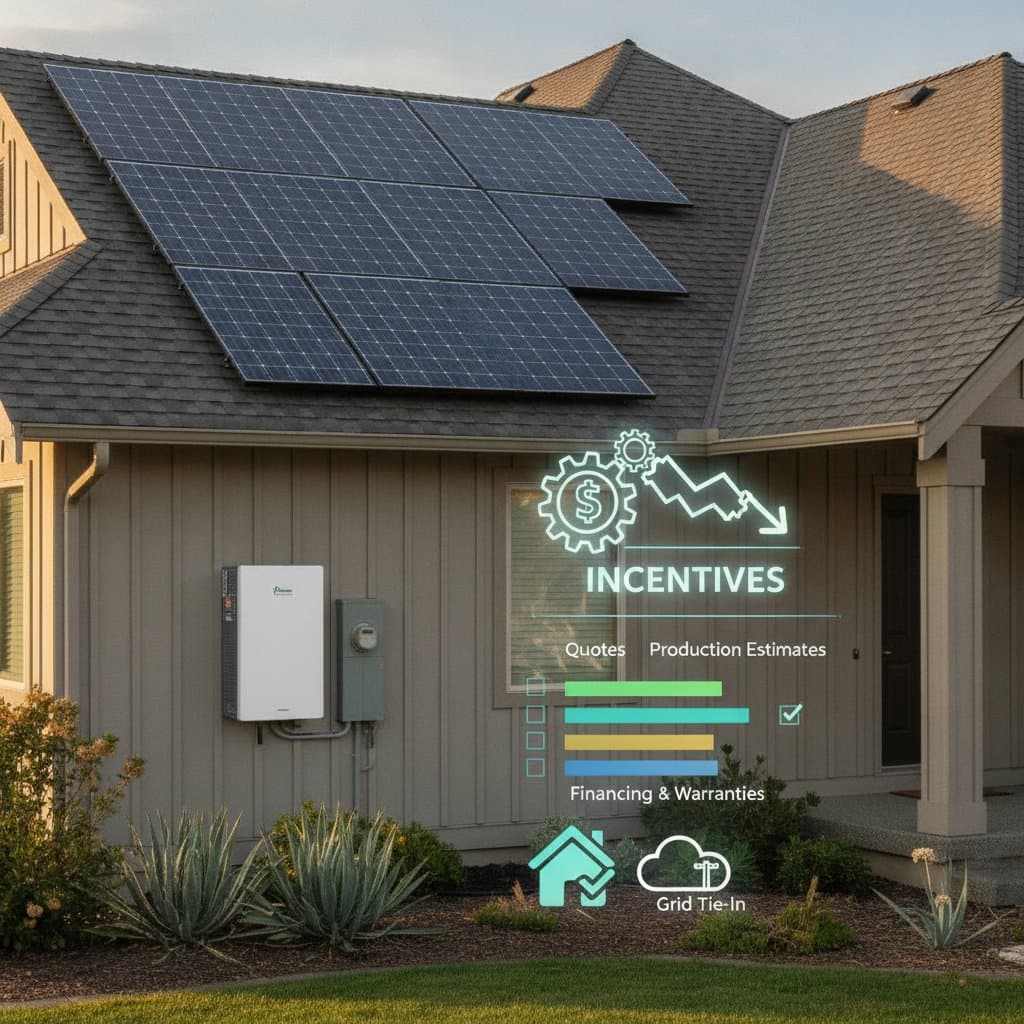
Incorporating energy-efficient technologies, such as LED lighting and high-R-value insulation, reduces utility bills and extends component life. Durable finishes, like moisture-resistant cabinetry, withstand daily use in family settings. If the space transitions to a rental, schedule cosmetic updates between occupants to uphold its appeal and value.
Adapting to Regional and Environmental Factors
Local conditions shape design and budgeting decisions. In colder regions, prioritize superior insulation and triple-pane windows to combat heat loss and drafts. These measures not only enhance comfort but also lower heating demands during harsh winters.
Warmer or more humid climates require emphasis on ventilation systems and dehumidifiers to prevent mold growth. Strategic placement of exhaust fans in kitchens and bathrooms circulates air effectively. Solar shading or reflective roofing materials can mitigate intense sunlight, reducing cooling costs.
Building codes vary widely and may impose limits on ADU dimensions, heights, or utility connections. Consult municipal planning offices at the outset to align plans with these rules. Anticipating such constraints avoids the expense and frustration of mid-project alterations.
Steps to Launch Your Project Successfully
Begin by outlining the specific occupants and anticipated duration of their stay. Tailor the design to these parameters rather than accommodating every conceivable scenario, which can inflate costs unnecessarily.
Solicit bids from at least three qualified contractors, verifying their references and requesting detailed, itemized proposals. Compare not only prices but also timelines, warranties, and approaches to potential challenges.
Multigenerational homes build stronger familial connections and provide economic advantages through shared resources. With meticulous planning, realistic budgeting, and a defined schedule, these spaces deliver lasting comfort and adaptability for evolving family needs.