ADU Costs Up 35 Percent: What Homeowners Should Know
- Confirm local zoning allowances before any design work begins.
- Obtain three contractor bids with itemized labor and material breakdowns.
- Set a contingency fund equal to 15 percent of the total budget.
- Schedule utility assessments early to avoid mid-project delays.
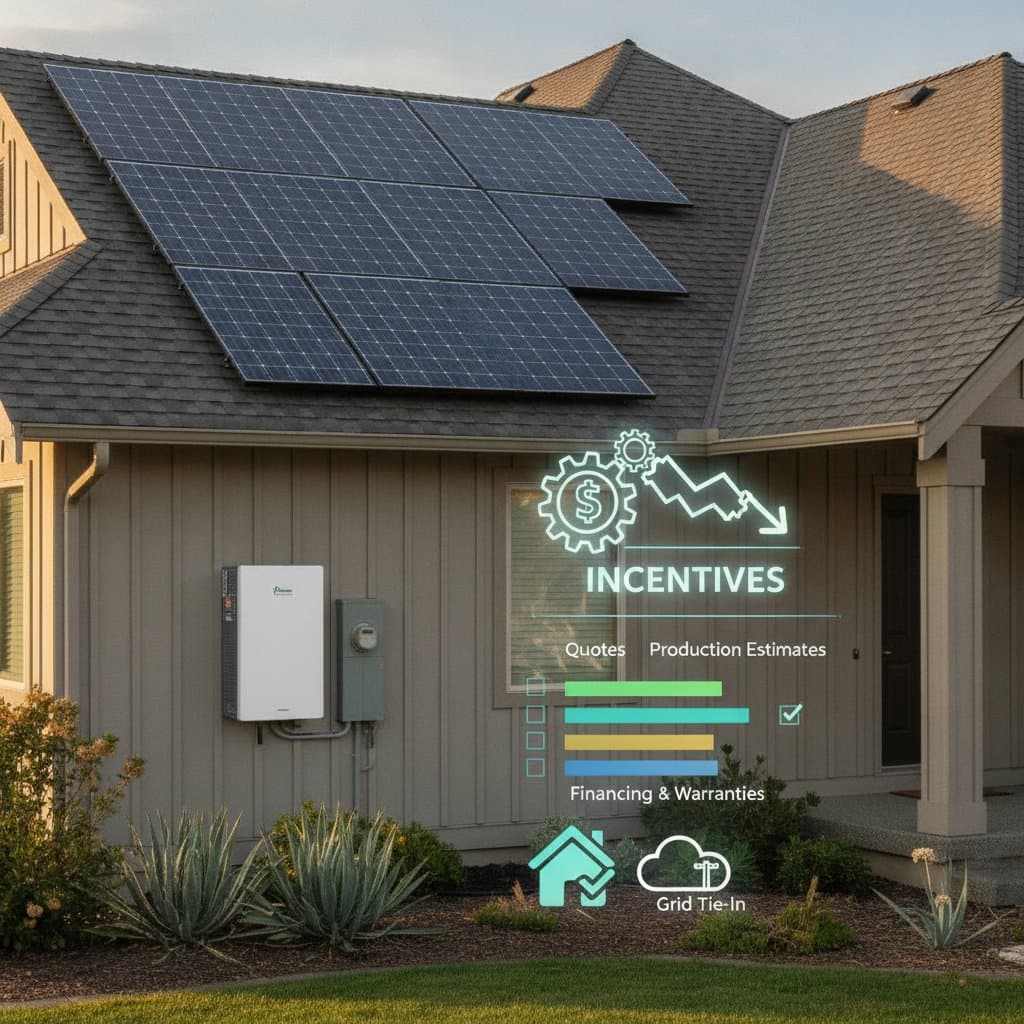
- Prioritize energy-efficient features that qualify for rebates.
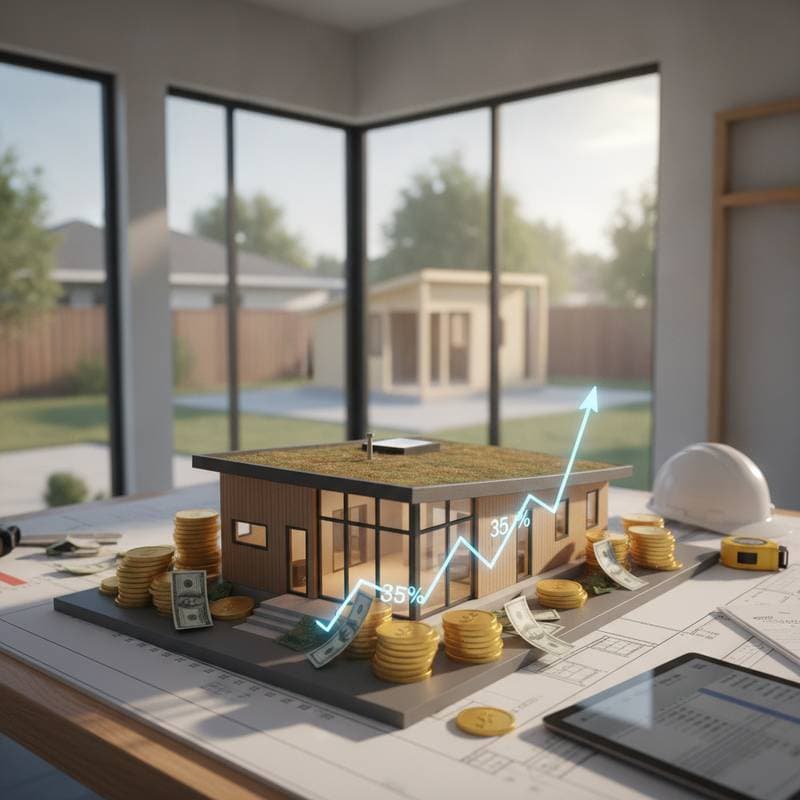
Building an accessory dwelling unit now costs roughly one third more than it did recently. Higher prices for labor, materials, and permits drive most of the increase. Careful planning, targeted design choices, and strategic timing can still keep many projects within reach.
Weighing Benefits Against Drawbacks
Benefits
- Creates additional living space without relocating.
- Generates consistent rental income in many markets.
- Increases overall property value upon completion.
- Accommodates multigenerational households effectively.
Drawbacks
- Requires significant upfront capital and extended permitting timelines.
- Demands detailed site analysis and possible utility upgrades.
- Often leads to higher property taxes and insurance premiums.
- Faces restrictions from local zoning ordinances.
Deciding When to Proceed
Move forward when design plans and financing are already secured. Act quickly if upcoming regulatory changes could limit future options. Begin construction if rental income will help cover mortgage obligations.
Delay the project if material prices appear elevated in the region. Postpone work when major utility improvements are still required. Wait for anticipated incentive programs that may reduce net costs.
Understanding Current Price Ranges
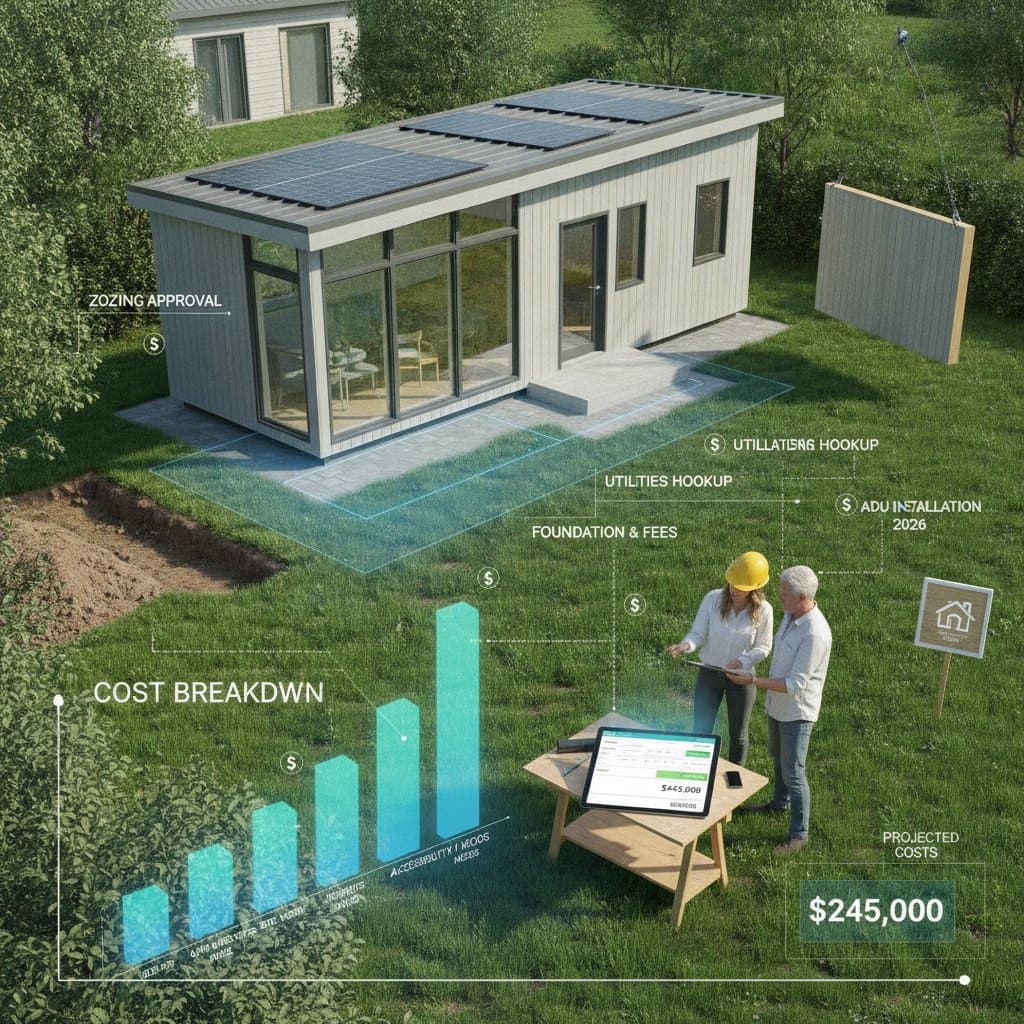
Detached units typically fall between 150000 dollars and 400000 dollars. Garage conversions range from 80000 dollars to 180000 dollars. Basement conversions usually cost between 100000 dollars and 250000 dollars.
Costs rise on steep lots that require excavation. Custom kitchens and premium finishes add substantial expense. Long utility connections or sewer upgrades increase the total. Vaulted ceilings and complex rooflines also drive prices higher.
Prefab or modular units reduce labor expenses. Reusing existing structures lowers material needs. Simple rectangular layouts and standard finishes keep budgets controlled. Owner-managed projects with fewer subcontractors often save money.
Rebuild rather than retrofit when foundations show cracks or lack reinforcement.
Maintaining Long-Term Value
Inspect the unit twice each year. Clean gutters and test safety detectors during each visit. Repaint exterior trim and reseal joints around windows. Check plumbing connections at sinks and showers for early signs of moisture.
These steps preserve efficiency, support tenant safety, and protect resale value.
Comparing Construction Options
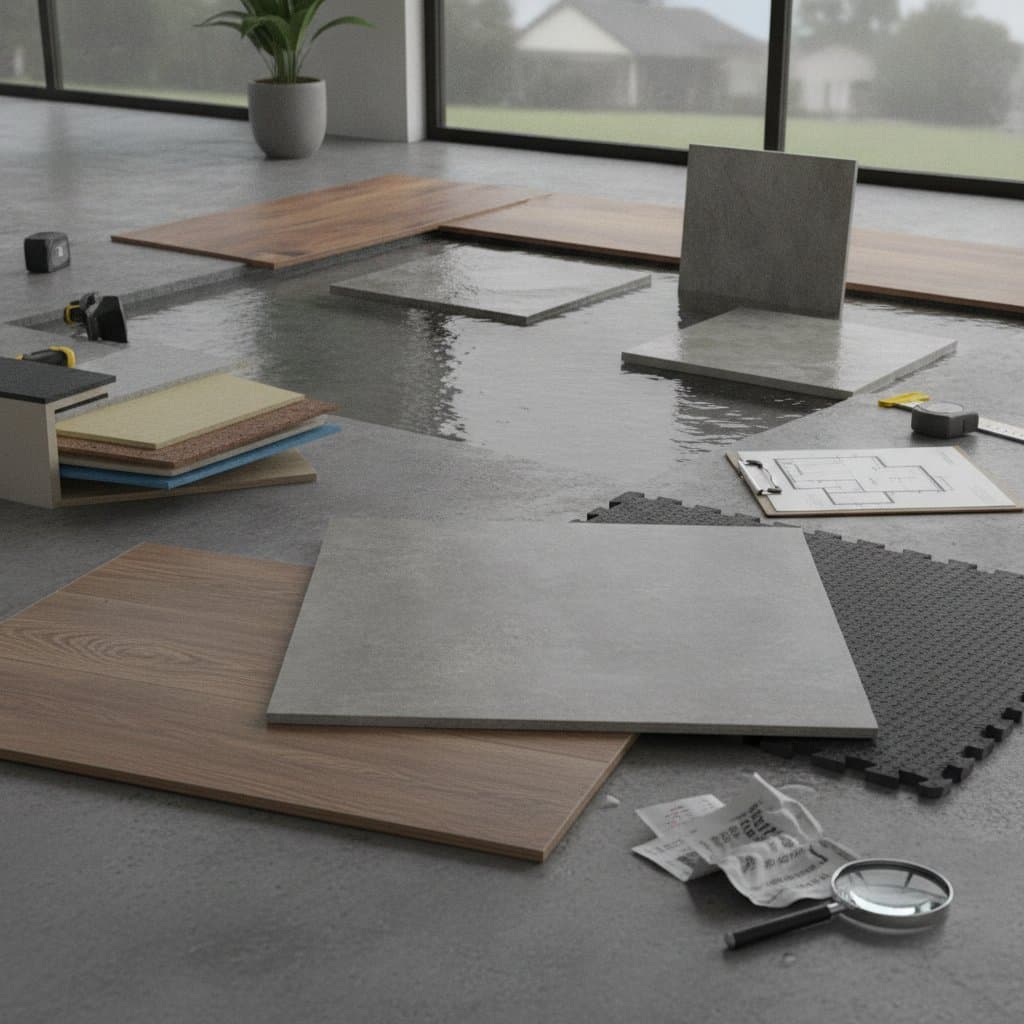
Prefab units suit tight budgets and compressed schedules. They reduce on-site labor but limit design flexibility. Garage conversions offer the lowest cost per square foot when the existing structure is sound. Space remains limited by the original footprint. Basement units provide strong privacy and weather resistance. Additional waterproofing measures may be necessary in damp climates.
Common Questions Answered
Most projects reach completion within four to eight months once permits are issued. Some municipalities permit shared utility lines, yet separate meters simplify future billing and property sales. Review local ordinances on rental duration before advertising the space. Many jurisdictions now require owner occupancy for long-term rentals. Added value triggers reassessment, and tax increases vary by county.
Planning Your Project
Verify zoning compliance first, then establish a firm budget and secure contractor bids. Emphasize straightforward designs paired with durable, energy-efficient materials. A completed unit delivers ongoing flexibility and equity even when market costs remain elevated.