Understanding Floodproofing Options
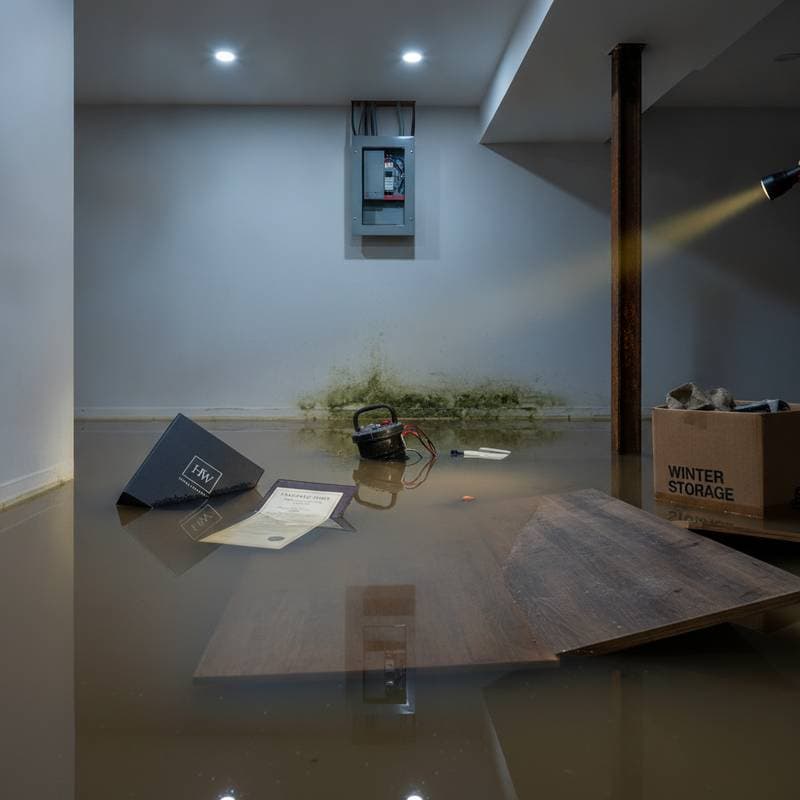
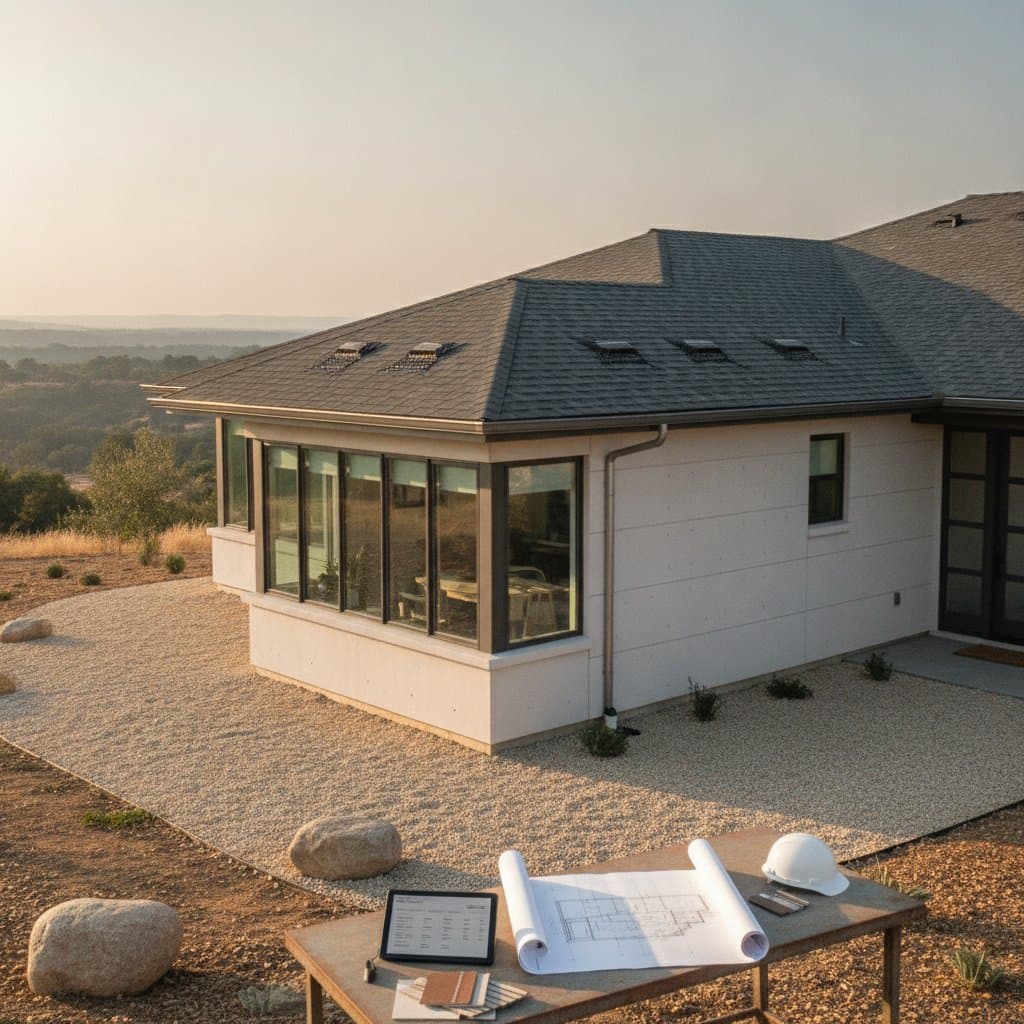
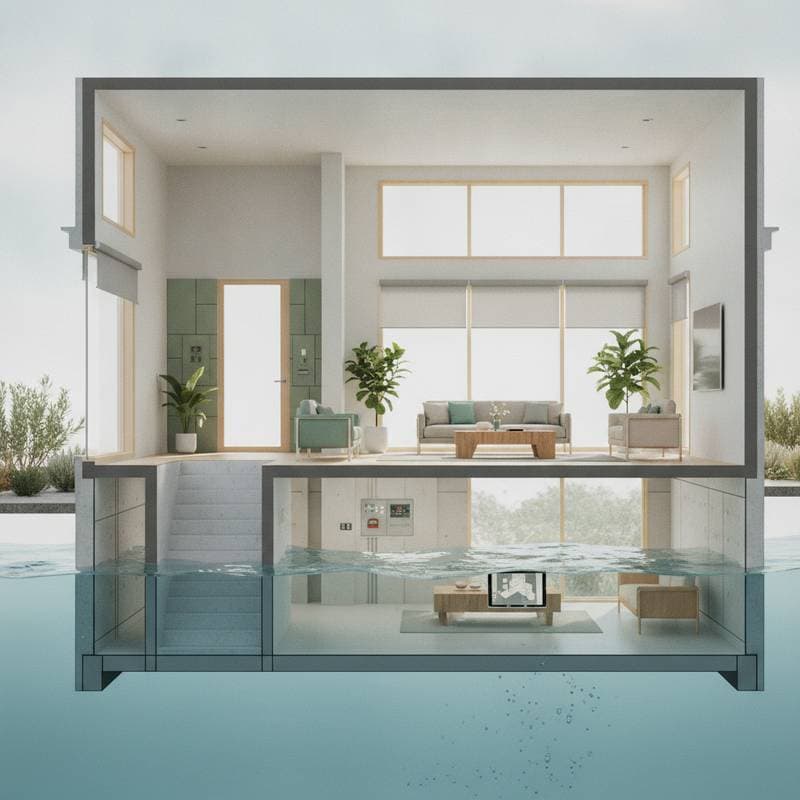
Floodproofing requires matching the method to your home type, local flood levels, and budget. Dry proofing keeps water out entirely. Wet proofing allows controlled entry while protecting key materials. Elevation raises the entire structure above expected flood heights.
Contractors begin dry proofing by cleaning and sealing exterior surfaces, fitting barriers, and confirming watertightness through testing. Wet proofing involves adding flood vents, sump pumps, and drainage routes. Materials below the base flood elevation are swapped for resistant options such as closed-cell foam insulation and pressure-treated lumber. Elevation uses hydraulic jacks to lift the building, followed by new foundation piers or walls and utility reconnections.
Inspection and Certification Process
Local inspectors check that all materials and barrier designs meet code. An engineer then provides floodproof certification required for insurance and FEMA compliance.
Common Mistakes to Avoid
- Skipping engineering review. Walls not designed for water pressure can fail or crack.
- Poor surface prep. Sealants applied on damp or dirty surfaces will peel and leak.
- Underestimating hydrostatic load. One foot of standing water adds about 62 pounds per square foot of pressure.
- Ignoring backflow prevention. Without check valves, sewage can back up into the house during flood events.
- Not maintaining flood vents. Clogged vents block flow and raise pressure on walls.
Deciding Between DIY and Professional Help
Apply the DIY Gate Framework to determine the right approach. Handle the work yourself only for minor wet proofing such as vent installation or applying coatings when safety risk remains low and no structural changes are needed. You should already own basic tools like drills, masonry bits, and caulking guns.
Hire a professional when the project includes elevation, structural sealing, or utility relocation. Permits or engineering drawings are also required in these cases. The same rule applies if the home shows prior flood damage or foundation cracks.
Improper sealing can trap water inside walls and cause structural collapse. Faulty elevation can crack plumbing or disconnect gas lines. Fixing mistakes often costs double the original job.
Cost Comparison Across Contractors
| Line Item | Spec or Scope | Contractor A | Contractor B | Contractor C | Variance Notes |
|---|---|---|---|---|---|
| Dry floodproof coating | Two-part epoxy, 15 mil thickness | $9.50/sq ft | $8.80/sq ft | $10.20/sq ft | Surface prep differences |
| Flood vents | Stainless steel, 200 sq in each | $400 ea | $380 ea | $450 ea | Includes cutting and trim |
| Utility relocation | HVAC and electrical | $7,500 | $9,200 | $8,100 | Access and disconnection methods |
| Foundation lift | 1,800 sq ft wood frame | $142,000 | $156,000 | $135,000 | Soil condition and crane access |
Readiness Checklist
Tools Required
- Masonry trowel, caulking gun, drill, pressure washer, sump pump tester
Skills Required
- Basic carpentry, masonry patching, and moisture sealing
Safety Gear
- Nitrile gloves, respirator, steel-toe boots, eye protection
Permits Needed
- Floodplain development permit, electrical and plumbing adjustments
Prep Tasks
- Document existing grades and elevations
- Move contents above projected flood line
Steps Toward Greater Flood Resilience
Begin with drainage and venting improvements. Clean gutters, add flood vents, and test sump systems. Next, seal and protect vulnerable openings by applying coatings and installing removable barriers at doors and windows. Elevate critical systems such as electrical panels, HVAC units, and water heaters above flood level. When floods recur or insurance costs stay high, plan full elevation with a licensed contractor.